Email: info@mambogorillasafarisuganda.com | Call: +256772666331

Where to See Big Cats on a Kenya Safari: Best Parks for Lions, Leopards and Cheetahs

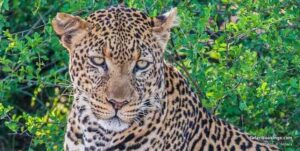
Kenya is one of Africa’s most exciting destinations for travelers who want to see big cats in the wild. Its sweeping savannahs, open grasslands, river valleys and protected wildlife areas provide habitats for African lions, leopards and cheetahs.
For wildlife enthusiasts, photographers and first-time safari travelers, knowing where to see big cats on a Kenya safari can make a significant difference when choosing destinations, accommodation and the length of a trip.
The Maasai Mara National Reserve is the leading destination for a classic big cat safari, offering opportunities to search for lions, leopards and cheetahs in the same ecosystem. Samburu National Reserve, Tsavo East, Tsavo West and other protected areas provide additional opportunities to discover Kenya’s predators and diverse landscapes.
At Mambo Gorilla Safaris Uganda, we help travelers plan personalized East African wildlife holidays, including Kenya safaris that can be combined with Uganda gorilla trekking, chimpanzee tracking and other memorable adventures.
Why Is Kenya One of the Best Destinations for Big Cat Safaris?
Kenya is famous for its wildlife diversity and extensive network of national parks, national reserves and private conservancies.
Its varied landscapes support different predator species and hunting behaviours. Open grasslands can provide excellent visibility for cheetahs, while riverine woodland and rocky terrain may offer hiding places for leopards. Lions often live in social groups and may be seen resting, moving through their territories or hunting.
The main big cats to look for are:
- African lions: Powerful social predators often encountered in prides.
- African leopards: Solitary, elusive cats that frequently use trees, rocky areas and thick vegetation for cover.
- African cheetahs: Fast-running predators that favour open habitats where they can spot and pursue prey.
Big cat sightings depend on wildlife movements, weather, vegetation, prey availability and the skill of your guide. No destination can guarantee that you will see every species.
1. Maasai Mara National Reserve: The Best Starting Point for Big Cats
The Maasai Mara National Reserve in southwestern Kenya is one of the country’s most celebrated wildlife destinations and an excellent starting point for a big cat safari.
Its expansive grasslands, scattered trees, seasonal waterways and abundant grazing animals support a rich predator-prey ecosystem.
The reserve is particularly attractive to travelers hoping to see lions, leopards and cheetahs during one safari.
Lions in the Maasai Mara
Lions are among the Mara’s most famous residents. Visitors may encounter prides resting in the grass, moving across open plains or gathering near prey.
Early-morning and late-afternoon game drives are useful opportunities to search for lions, although sightings can occur at different times.
Your guide may look for fresh tracks, alarm calls from other animals and movement around known territories to help locate the cats.
Leopards in the Maasai Mara
Leopards are more difficult to spot because they are solitary and often remain concealed in vegetation or trees.
A knowledgeable guide can help search suitable habitats, particularly areas near riverine woodland and dense vegetation.
Even when a leopard is located, it may be resting in the shade or partly hidden, so patience and careful observation are essential.
Cheetahs in the Maasai Mara
The Mara’s open grasslands can provide suitable viewing conditions for cheetahs.
Visitors may see cheetahs resting, scanning the plains or moving through the grass. Watching a cheetah hunt is possible but uncommon and should never be expected as a guaranteed activity.
What makes the Maasai Mara special?
- Opportunities to search for all three major African big cats
- Expansive landscapes suited to wildlife photography
- Excellent wildlife viewing opportunities throughout much of the year
- Seasonal wildebeest migration activity
- A wide selection of safari camps and lodges
- Options for private conservancy experiences where available
The wildebeest migration is a major attraction during parts of the year, but the Mara remains a rewarding wildlife destination outside the migration period as well.
Best for: First-time safari travelers, wildlife photographers and visitors who want the broadest classic big cat experience.
2. Samburu National Reserve: Big Cats in Northern Kenya
Samburu National Reserve offers a different safari atmosphere from the Maasai Mara. Located in northern Kenya, it features dry landscapes, riverine vegetation and rugged scenery around the Ewaso Ng’iro River.
The reserve supports lions, leopards and cheetahs, alongside elephants and distinctive dry-country wildlife.
Why visit Samburu?
The contrast between the arid landscape and the riverine habitat creates interesting opportunities for wildlife viewing and photography.
During game drives, guides may search along the river, near vegetation used for shade and around areas frequented by prey animals.
Samburu is also known for species such as Grevy’s zebra, reticulated giraffe, gerenuk and Beisa oryx, making it an attractive destination beyond big cat viewing.
What can you expect?
A Samburu safari offers:
- Guided game drives
- Opportunities to look for lions, leopards and cheetahs
- Dry-country wildlife viewing
- Scenic riverine landscapes
- Bird watching
- Photography and cultural experiences arranged with local communities
Because wildlife distribution varies, the best places to search for predators should be determined by your guide based on recent observations and local conditions.
Best for: Travelers looking for a less conventional northern Kenya safari with distinctive landscapes and varied wildlife.
3. Tsavo East National Park: Lions and Wildlife Across Vast Plains
Tsavo East National Park is one of Kenya’s largest protected wildlife areas. Its expansive semi-arid landscapes include open plains, scrubland, river systems and distinctive red earth.
The park is famous for its elephants and also supports lions, leopards, cheetahs in suitable areas, and many other species.
Big cat viewing in Tsavo East
The park’s scale creates a sense of wilderness, but it also means wildlife may be spread across a large area.
A good safari plan should allow enough time for multiple game drives rather than relying on one short visit.
Guides can search near water sources, vegetation and areas where prey species are active.
Other attractions
Tsavo East is also rewarding for travelers interested in:
- Large elephant herds
- The Galana River landscape
- The Yatta Plateau
- Savannah wildlife photography
- Bird watching
- A classic wilderness safari experience
The park can be a practical choice for travelers planning a road safari between inland Kenya and the coast, depending on their route.
Best for: Visitors seeking vast landscapes, elephants, varied wildlife and a big cat search away from the Mara’s best-known safari circuits.
4. Tsavo West National Park: Rugged Landscapes and Elusive Predators
Tsavo West National Park provides a contrasting landscape of rocky hills, volcanic terrain, woodland, springs and open country.
It supports a range of wildlife, including lions and leopards, although sightings depend on the area visited and current conditions.
What makes Tsavo West different?
Compared with the broad plains of the Maasai Mara, parts of Tsavo West have more varied terrain and thicker vegetation.
This can make some animals harder to see, but it also provides striking photographic scenery and a sense of exploration.
Visitors can combine predator searches with other attractions, including Mzima Springs and scenic viewpoints where accessible.
Tsavo West is also associated with the historical story of the Tsavo lions that attacked railway workers during the construction of the Kenya-Uganda Railway in the late nineteenth century.
Best for: Travelers who appreciate rugged scenery, varied habitats and a safari that combines wildlife with natural landmarks.
5. Lake Nakuru National Park: A Diverse Wildlife Experience
Lake Nakuru National Park is another destination worth considering when planning a Kenyan wildlife itinerary.
The park contains a mixture of woodland, grassland, rocky areas and lake habitats. It is well known for birdlife and conservation efforts involving endangered rhinoceroses, and it also supports predators including lions and leopards.
Why add Lake Nakuru to a big cat safari?
Lake Nakuru can complement a Maasai Mara itinerary by introducing a different landscape and additional wildlife viewing opportunities.
Visitors may encounter:
- Lions
- Leopards
- White and black rhinoceroses
- Buffaloes
- Giraffes
- Numerous bird species
Leopard sightings are never guaranteed, and thick vegetation can make predators difficult to observe.
Best for: Travelers combining big cat viewing with birdlife, rhinos and a wider exploration of Kenya’s Rift Valley.
6. Nairobi National Park: A Big Cat Safari Near the City
Nairobi National Park offers a distinctive opportunity to search for wildlife close to Kenya’s capital.
The park contains open grassland, scattered trees and areas of thicker vegetation, with the city skyline visible in some parts of the landscape.
Lions are among its notable predators, and visitors can also search for other wildlife during a guided game drive.
Nairobi National Park is especially convenient for travelers with limited time or those who want a wildlife experience before an international flight.
However, the park does not contain elephants, so travelers should choose additional destinations if elephants are an essential part of their safari plans.
Best for: Short stays in Nairobi, stopovers and travelers who want a national park experience without immediately travelling to a remote reserve.
7. Amboseli National Park: Lions Beneath Mount Kilimanjaro
Amboseli National Park is best known for its large elephant herds and dramatic views of Mount Kilimanjaro. It also supports predators, including lions.
The park’s open plains, swamps and surrounding habitats create a varied wildlife environment.
Although big cats are not its only attraction, Amboseli can be an excellent addition to a broader Kenya safari.
What else can you see?
Depending on conditions, visitors may encounter:
- Large elephant herds
- Lions
- Hyenas and other predators
- Zebras and antelopes
- Buffaloes
- Numerous bird species
The park’s cultural setting also offers opportunities for respectful, locally arranged experiences with Maasai communities.
Best for: Travelers who want elephants, scenic landscapes and a broader wildlife experience alongside the search for big cats.
Which Kenyan Park Is Best for Each Big Cat?
The best destination depends on which species you most want to see and the type of safari you prefer.
| Big cat | Destinations to consider | What to know |
|---|---|---|
| Lions | Maasai Mara, Samburu, Tsavo, Amboseli | Lions live in several Kenyan ecosystems; sightings vary by area and season. |
| Leopards | Maasai Mara, Samburu, Tsavo West, Lake Nakuru | Leopards are elusive and often concealed in vegetation. |
| Cheetahs | Maasai Mara, Samburu and suitable open habitats elsewhere | Open plains can help visibility, but sightings are never guaranteed. |
For travelers prioritizing all three major big cats, the Maasai Mara is a strong first choice. Adding another destination can diversify the landscapes and wildlife experiences on your trip.
Best Time to See Big Cats on a Kenya Safari
Kenya offers wildlife safaris throughout the year, but seasonal conditions influence visibility, road access and wildlife movement.
Generally drier periods
During drier periods, grass may be shorter and animals may gather around remaining water sources. These conditions can improve visibility in some areas, although results vary between parks.
The period from roughly June to October is popular for many Kenya safari itineraries. The exact conditions differ by region, and seasonal rainfall does not follow a perfectly fixed schedule.
Green and rainy periods
Rainier periods can bring greener landscapes, young animals and excellent photographic opportunities. However, taller vegetation may make some animals harder to spot, and road conditions may affect game drives.
Some lodges and operators may offer seasonal rates, but availability and savings depend on the destination and dates.
What about the Great Migration?
The Maasai Mara is famous for the annual wildebeest migration, which typically reaches Kenya during part of the middle and later months of the year. Timing and river crossings vary.
The migration can attract predators and create dramatic wildlife encounters, but big cats live in the Mara throughout the year. Do not plan your entire safari around a guaranteed river crossing or hunt.
Practical advice: Choose your travel dates based on your priorities, then ask your safari planner about recent conditions, road access and the most suitable parks.
How Many Days Do You Need for a Kenya Big Cat Safari?
The ideal duration depends on how many parks you want to visit and how much time you want to spend searching for wildlife.
3-day safari: Maasai Mara
A three-day trip can provide several game drives in the Mara and a good introduction to Kenya’s big cat habitat.
It is a suitable option for travelers with limited time, although travel time to and from the reserve must be included in the plan.
5-day safari: Maasai Mara and Lake Nakuru
A five-day itinerary can combine the Mara’s big cat viewing with Lake Nakuru’s birdlife and other wildlife.
This provides more variety, but the route should be planned carefully to avoid spending too much time on the road.
7-day safari: Maasai Mara, Lake Nakuru and Samburu
A longer itinerary can include the Mara, Lake Nakuru and Samburu, offering different landscapes and wildlife habitats.
This option is best for travelers who want a wider Kenyan safari rather than focusing only on the most famous reserve.
8–10-day safari: A broader Kenya wildlife adventure
With more time, travelers may combine several parks and add cultural experiences or a coastal extension.
The most effective route depends on arrival and departure points, accommodation preferences, transport arrangements and the species you most want to see.
Tips for Photographing Big Cats in Kenya
Big cat photography requires patience, good preparation and respect for wildlife.
Use these tips to improve your experience:
- Choose a knowledgeable guide. Local experience can help identify suitable areas and interpret animal behaviour.
- Bring a suitable camera or zoom lens. Wildlife may be some distance from the vehicle.
- Use early and late game drives where available. These can offer attractive light and opportunities to observe animal activity.
- Be patient. Cats may rest for long periods, and the most interesting behaviour can happen unexpectedly.
- Listen to your guide. Follow instructions about positioning, vehicle movement and animal behaviour.
- Avoid disturbing wildlife. Do not ask drivers to chase animals or block their path.
- Respect other visitors. Share sightings responsibly and keep noise low.
A photograph of a relaxed lion or a well-hidden leopard can be just as rewarding as an image of an animal on the move.
What to Pack for a Kenya Big Cat Safari
Pack according to your travel dates, itinerary and accommodation.
Useful items include:
- Neutral-coloured, comfortable clothing
- Lightweight long-sleeved shirts
- A sun hat
- Sunscreen
- Insect repellent
- Comfortable walking shoes
- Binoculars
- A camera and spare batteries
- A power bank
- Personal medication
- A reusable water bottle
- A light jacket for cool mornings and evenings
If photography is a priority, carry extra memory cards and ensure your equipment is protected from dust.
Follow your guide’s instructions about when you may leave the vehicle. In most ordinary game-drive situations, visitors should remain inside the vehicle unless the guide confirms that getting out is permitted.
Responsible Big Cat Tourism in Kenya
Responsible wildlife tourism helps support conservation and reduces unnecessary disturbance to animals.
During your safari:
- Choose reputable operators and trained guides.
- Maintain a respectful distance from wildlife.
- Never feed wild animals.
- Do not pressure guides to pursue or surround predators.
- Keep noise low during sightings.
- Follow park regulations and guide instructions.
- Support local communities through responsible tourism services.
Remember that lions, leopards and cheetahs are wild predators. Their behaviour should be observed with care, and their welfare must come before obtaining a photograph.
Can You Combine a Kenya Big Cat Safari With Uganda Gorilla Trekking?
Yes. A Kenya wildlife safari can be combined with a Uganda gorilla trekking holiday, creating an East African adventure that includes both savannah predators and mountain primates.
A possible itinerary could include:
Maasai Mara → Entebbe → Bwindi Impenetrable National Park → Gorilla trekking.
Depending on your schedule, you could also add chimpanzee tracking, Queen Elizabeth National Park or other Ugandan destinations.
Planning is essential because international flights, border requirements, gorilla permits and road transfers must be coordinated.
If you want to combine the two countries, contact Mambo Gorilla Safaris Uganda with your preferred dates and the activities you would like to include.
Why Book Your Kenya Big Cat Safari With Mambo Gorilla Safaris Uganda?
Choosing the right parks is only one part of planning a successful wildlife holiday. Your experience also depends on the timing of game drives, accommodation, transport, guide knowledge and the time available at each destination.
Mambo Gorilla Safaris Uganda can help you plan an East African itinerary that combines Kenya’s big cat destinations with other regional experiences.
Your trip can be tailored around:
- Maasai Mara big cat viewing
- Samburu’s northern Kenya wildlife
- Tsavo’s expansive landscapes
- Lake Nakuru wildlife and birdlife
- Amboseli elephant viewing
- Uganda gorilla trekking
- Chimpanzee tracking
- Cultural experiences and scenic extensions
Tell us your travel dates, group size, budget and preferred accommodation level so we can help identify suitable destinations and travel arrangements.
Frequently Asked Questions About Big Cat Safaris in Kenya
Where is the best place to see big cats in Kenya?
The Maasai Mara National Reserve is one of the best starting points for seeing lions, leopards and cheetahs. Samburu and Tsavo offer additional opportunities in different habitats.
Where can I see lions in Kenya?
Lions occur in several Kenyan parks and reserves, including the Maasai Mara, Samburu, Tsavo and Amboseli. Sightings depend on location, season and wildlife movements.
Where can I see leopards in Kenya?
Leopards can be found in places such as the Maasai Mara, Samburu, Tsavo West and Lake Nakuru. They are elusive, so a sighting is never guaranteed.
Where can I see cheetahs in Kenya?
The Maasai Mara is a well-known destination for cheetahs because its open grasslands provide suitable habitat. Cheetahs also occur in other suitable areas of Kenya.
What is the best month for a big cat safari in Kenya?
There is no single best month for every park. Many visitors travel during generally drier periods, but the best dates depend on the destination, weather, wildlife movements and your interests.
Can I see all three big cats on one safari?
It is possible to encounter lions, leopards and cheetahs during one safari, especially in the Maasai Mara. However, no itinerary can guarantee sightings of all three.
How long should I spend on a big cat safari?
Three days can provide a useful introduction to the Maasai Mara. Five to seven days allows more time for additional parks and varied wildlife experiences.
Are big cat safaris suitable for families?
Yes, many families enjoy guided game drives. Check accommodation policies, age restrictions and the length of travel days before booking, particularly when traveling with young children.
Can I combine a Kenya safari with Uganda gorilla trekking?
Yes. A cross-country itinerary can combine Kenya’s savannah wildlife with gorilla trekking in Uganda. Permit availability, flights, travel documents and transport should be confirmed before booking.
Final Thoughts: Plan Your Big Cat Safari in Kenya
Kenya offers outstanding opportunities to search for lions, leopards and cheetahs in some of Africa’s most spectacular landscapes.
The Maasai Mara is an excellent starting point, while Samburu, Tsavo East, Tsavo West, Lake Nakuru and Amboseli offer additional wildlife experiences and distinctive scenery.
The key to a rewarding safari is choosing destinations that match your interests, allowing enough time for game drives and traveling with knowledgeable guides who prioritize responsible wildlife viewing.
Plan your Kenya big cat safari with Mambo Gorilla Safaris Uganda. Whether you want to focus on the Maasai Mara or combine Kenya’s wildlife with Uganda gorilla trekking, we can help you plan an East African adventure around your travel dates, budget and interests.


