Email: info@mambogorillasafarisuganda.com | Call: +256772666331

Uganda Gorilla Safaris: Complete Guide to Gorilla Trekking in Uganda

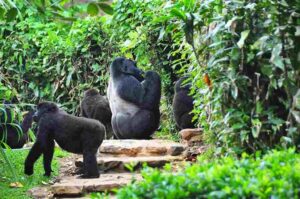
Imagine walking through the misty rainforest of southwestern Uganda, following the trail of a mountain gorilla family. The forest becomes quiet. Leaves move in the distance. Then, through the thick vegetation, you see a magnificent silverback watching over his family.
This is the magic of a Uganda gorilla safari.
Uganda is one of the world’s premier destinations for mountain gorilla trekking, offering unforgettable encounters with endangered mountain gorillas in their natural habitat. The country’s main gorilla trekking destinations are Bwindi Impenetrable National Park and Mgahinga Gorilla National Park.
At Mambo Gorilla Safaris Uganda, we specialize in creating tailor-made gorilla trekking and wildlife safaris for travelers who want to experience Uganda’s extraordinary forests, wildlife, cultures and landscapes.
Whether you are planning a short 3-day Bwindi gorilla safari, a luxury flying gorilla safari, a gorilla and chimpanzee adventure, or a longer Uganda wildlife and primate safari, this guide will help you plan your journey.
What Is a Uganda Gorilla Safari?
A Uganda gorilla safari is a guided wildlife experience that takes you into Uganda’s tropical forests to search for habituated mountain gorilla families.
Unlike a traditional game drive, gorilla trekking is a walking safari.
You leave the vehicle behind and enter the forest with trained guides and trackers. Depending on where the gorillas are located, you may hike for several hours through dense vegetation, steep slopes and sometimes muddy trails before reaching the gorilla family.
Once you find the gorillas, you can observe their natural behavior under the guidance of experienced trackers and rangers.
You may see:
- Powerful silverbacks
- Mothers caring for infants
- Young gorillas playing
- Gorillas feeding on vegetation
- Family members resting together
- Social interactions between different members of the group
It is an intimate wildlife experience unlike any ordinary safari.
Where Can You See Mountain Gorillas in Uganda?
Mountain gorilla trekking in Uganda takes place in two protected areas:
1. Bwindi Impenetrable National Park
Bwindi is Uganda’s most famous gorilla trekking destination.
Located in southwestern Uganda, the park is renowned for its ancient rainforest, mountainous landscape, exceptional biodiversity and mountain gorillas.
Bwindi has several trekking sectors, including:
- Buhoma
- Ruhija
- Rushaga
- Nkuringo
Each sector has its own accommodation options, trekking routes and habituated gorilla groups.
Mambo Gorilla Safaris offers Bwindi gorilla tours including short 3-day itineraries with gorilla trekking and cultural experiences.
2. Mgahinga Gorilla National Park
Mgahinga Gorilla National Park lies in southwestern Uganda within the greater Virunga ecosystem.
The park is known for:
- Mountain gorillas
- Golden monkeys
- Volcanoes
- Bamboo forests
- Mountain hiking
- Spectacular scenery
Travelers can combine gorilla trekking with golden monkey tracking or volcano hiking for a broader primate and adventure experience.
Why Choose Uganda for a Gorilla Safari?
Uganda offers more than gorilla trekking.
One of its biggest advantages is the opportunity to combine your gorilla experience with other wildlife and primate activities.
A single safari can include:
Mountain gorillas + chimpanzees + lions + elephants + hippos + buffaloes + monkeys + birds + cultural experiences.
Mambo Gorilla Safaris offers longer itineraries that combine gorilla trekking with chimpanzee tracking and classic wildlife experiences in destinations such as Murchison Falls, Kibale, Queen Elizabeth, Bwindi and Lake Mburo.
This makes Uganda particularly appealing to travelers who want a complete East African safari rather than a gorilla trek alone.
Bwindi Gorilla Trekking Sectors
Choosing the right Bwindi sector is an important part of planning your safari.
Buhoma
Buhoma is one of the best-known gorilla trekking areas in Bwindi.
The sector is surrounded by thick rainforest and offers excellent opportunities for gorilla trekking and additional forest experiences.
You can also combine the trek with community and cultural activities.
Ruhija
Ruhija lies in eastern Bwindi.
It is known for its beautiful forest scenery and is also an excellent area for bird watching.
Travelers interested in combining gorilla trekking with birding can consider adding Ruhija to their itinerary.
Rushaga
Rushaga is located in southern Bwindi.
The sector is particularly important for travelers interested in the gorilla habituation experience, subject to current availability and regulations.
Mambo Gorilla Safaris can organize itineraries around the Rushaga sector depending on permit availability and the traveler’s interests.
Nkuringo
Nkuringo lies in southern Bwindi and is known for its mountainous terrain and spectacular views.
Trekking can be physically demanding, making reasonable fitness and good hiking equipment particularly important.
What Happens During Gorilla Trekking?
Your gorilla trekking day usually starts early.
After breakfast, your safari guide transfers you to the park headquarters or designated trekking point.
There, you receive a briefing about:
- Gorilla trekking rules
- Safety procedures
- Forest etiquette
- Gorilla behavior
- Trekking arrangements
You then begin your trek with guides and trackers.
The actual trek can vary considerably.
The gorillas are wild animals and move through their natural environment, so no two trekking experiences are exactly alike.
Your trek may take a few hours or considerably longer depending on where the gorilla family is located.
Once the family is found, you spend the designated viewing time observing and photographing them.
How Difficult Is Gorilla Trekking in Uganda?
Gorilla trekking is an adventure rather than a simple sightseeing activity.
You may encounter:
- Steep hills
- Muddy paths
- Dense vegetation
- Tree roots
- Uneven ground
- Wet conditions
- High-altitude terrain
Your fitness level therefore matters.
Mambo Gorilla Safaris recommends a moderate level of fitness for its Uganda gorilla trekking experiences.
If you are concerned about physical difficulty, tell your safari planner before booking. Your trekking sector, accommodation location and itinerary can be selected with your capabilities in mind.
How Long Does Gorilla Trekking Take?
There is no fixed duration.
The length of your trek depends mainly on:
- Location of the gorilla family
- Terrain
- Weather
- Gorilla movements
- Your trekking sector
- Fitness of the trekking group
Some encounters may require only a few hours of walking, while others can involve longer hikes.
The uncertainty is part of the adventure.
You are following animals that are free to move through the forest.
What Is the Best Time for Gorilla Trekking in Uganda?
Gorilla trekking is possible throughout the year.
However, many travelers prefer the relatively drier periods:
June to September
and
December to February
These months generally offer more favorable hiking conditions than the wetter periods.
However, Uganda’s gorilla forests are tropical rainforests, so rain can occur at any time.
The wetter seasons can still be excellent for gorilla trekking because the forest becomes incredibly lush and green.
Therefore, the best time for a Uganda gorilla safari depends on your travel priorities.
Uganda Gorilla Safari During the Dry Season
The drier months are popular because trails can be easier to navigate.
Potential benefits include:
- Less muddy terrain
- More comfortable hiking
- Easier movement through the forest
- Good conditions for combining gorilla trekking with wildlife safaris
However, popular travel periods can also mean higher demand for permits and accommodation.
If you have fixed travel dates, early planning is recommended.
Uganda Gorilla Safari During the Wet Season
Don’t automatically rule out the rainy season.
A wet-season gorilla trek can be spectacular.
Rain creates:
- Deep green vegetation
- Misty mountain scenery
- Fresh forest landscapes
- Excellent atmospheric photography
The trade-off is more challenging trekking.
Expect:
- Mud
- Slippery trails
- Rain showers
- Wet vegetation
A good waterproof jacket, hiking boots and gaiters are essential.
How Much Does a Uganda Gorilla Safari Cost?
There is no single price for a Uganda gorilla safari.
Your total cost depends on the style and length of your trip.
Major cost factors include:
- Gorilla trekking permit
- Accommodation
- Transportation
- Safari duration
- Number of travelers
- Accommodation category
- Meals
- Additional activities
- Domestic flights
- Park fees
- Cultural experiences
A budget gorilla safari will cost considerably less than a luxury private safari with premium accommodation and flying arrangements.
Mambo Gorilla Safaris offers different accommodation categories and can customize itineraries around a traveler’s budget. Its 3-day Bwindi itinerary, for example, lists budget, mid-range and luxury accommodation options.
Because permit fees and park regulations can change, confirm the current permit rate when booking your safari.
What Does a Gorilla Permit Include?
A gorilla permit gives you access to the regulated gorilla trekking experience.
The permit is separate from many other safari expenses such as:
- Accommodation
- Transportation
- Meals outside the included package
- Tips
- Personal expenses
- Travel insurance
Always ask your safari operator for a detailed quotation showing exactly what is included and excluded.
What Should You Pack for Gorilla Trekking?
The right equipment can make your trek much more comfortable.
Gorilla trekking packing list
- Waterproof hiking boots
- Long trousers
- Long-sleeved shirts
- Lightweight rain jacket
- Gaiters
- Gardening gloves
- Insect repellent
- Sunscreen
- Hat
- Reusable water bottle
- Small backpack
- Camera
- Extra batteries
- Memory cards
- Binoculars
- Waterproof bags
- Personal medication
Don’t forget your camera protection
Bwindi and Mgahinga are rainforest environments.
Rain can arrive unexpectedly.
Keep cameras, phones, passports and other electronics inside waterproof bags or dry bags.
What Should You Wear for Gorilla Trekking?
A practical outfit is:
Long trousers + long-sleeved shirt + hiking boots + gaiters + waterproof jacket.
Choose comfortable clothing that can handle mud and rain.
Your shoes should have strong traction because forest trails can become slippery.
Avoid delicate or expensive clothing.
Gorilla trekking is an outdoor adventure.
Getting muddy is normal.
Uganda Gorilla Trekking Rules
Gorilla tourism is carefully regulated to protect both wildlife and visitors.
During your trek:
- Follow your guide’s instructions
- Maintain the required distance from gorillas
- Do not touch the gorillas
- Do not feed wildlife
- Avoid loud noises
- Do not litter
- Avoid sudden movements
- Follow park health requirements
- Respect other trekkers
- Respect the forest
Never attempt to attract a gorilla’s attention simply to obtain a photograph.
The animals should always remain the priority.
Why Gorilla Conservation Matters
Mountain gorillas are one of Africa’s most remarkable conservation stories.
Gorilla tourism creates economic incentives for protecting their habitat while providing employment and income to people living around protected areas.
Tourism supports a wider network involving:
- Park staff
- Rangers
- Guides
- Trackers
- Porters
- Lodges
- Drivers
- Community businesses
- Cultural groups
Responsible gorilla tourism can therefore connect wildlife conservation with local economic opportunities.
Should You Hire a Porter for Gorilla Trekking?
Yes, if you need additional support.
Porters can help carry:
- Backpacks
- Water
- Camera equipment
- Rain gear
- Other personal items
They can also provide physical assistance on difficult sections of the trail.
Hiring a porter is also a practical way of contributing directly to local livelihoods around the gorilla trekking areas.
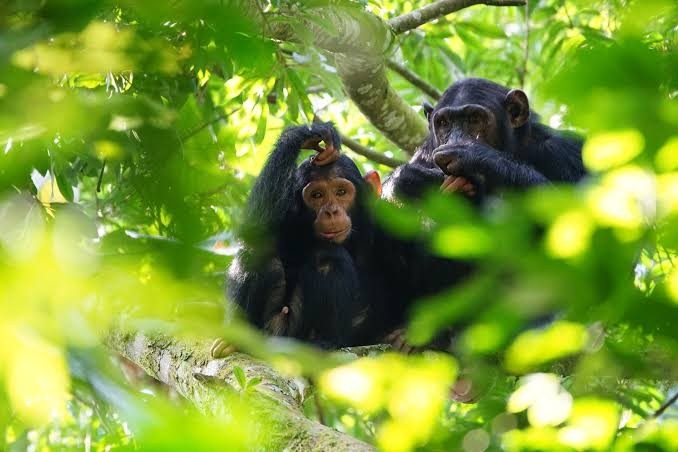
Can You Combine Gorilla Trekking With Chimpanzee Tracking?
Absolutely.
This is one of the biggest reasons to choose Uganda.
You can combine:
Kibale National Park + Bwindi Impenetrable National Park
for a spectacular great-ape safari.
Kibale is renowned for chimpanzee tracking, while Bwindi provides the mountain gorilla experience.
Mambo Gorilla Safaris already offers longer Uganda itineraries combining chimpanzee trekking and gorilla trekking with wildlife experiences.
Uganda Gorilla and Chimpanzee Safari
A sample itinerary could look like this:
Day 1: Kampala or Entebbe to Kibale
Meet your safari guide and begin your journey to Kibale National Park.
Day 2: Chimpanzee Trekking
Head into the forest for a chimpanzee tracking experience.
Day 3: Kibale to Queen Elizabeth
Travel toward Queen Elizabeth National Park.
Day 4: Wildlife Safari
Enjoy a game drive and/or Kazinga Channel boat cruise.
Day 5: Queen Elizabeth to Bwindi
Travel toward Bwindi, potentially through the Ishasha sector.
Day 6: Gorilla Trekking
Spend the day searching for a habituated mountain gorilla family.
Day 7: Departure
Return toward Kampala, Entebbe or your onward destination.
The itinerary can be extended to include additional wildlife parks and cultural experiences.
Can You Combine Gorilla Trekking With a Wildlife Safari?
Yes.
Uganda is particularly well suited to combining primates with classic African wildlife.
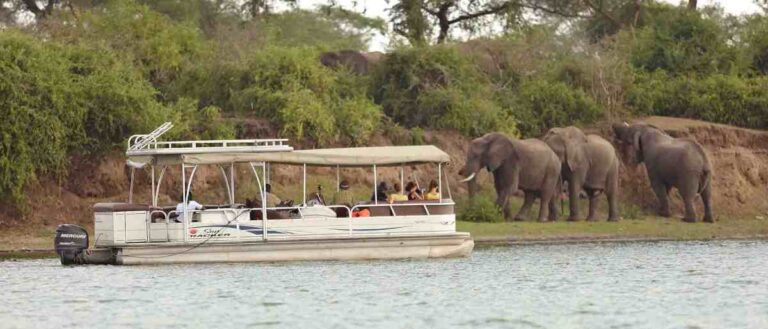
Depending on your available time, you can combine gorilla trekking with:
Queen Elizabeth National Park
Potential wildlife experiences include:
- Lions
- Elephants
- Buffaloes
- Hippos
- Leopards
- Antelopes
- Crocodiles
Mambo Gorilla Safaris offers Uganda itineraries combining Queen Elizabeth wildlife experiences with gorilla trekking.
Murchison Falls National Park
Combine gorilla trekking with:
- Game drives
- Boat cruises
- Murchison Falls
- Wildlife viewing
- Bird watching
Lake Mburo National Park
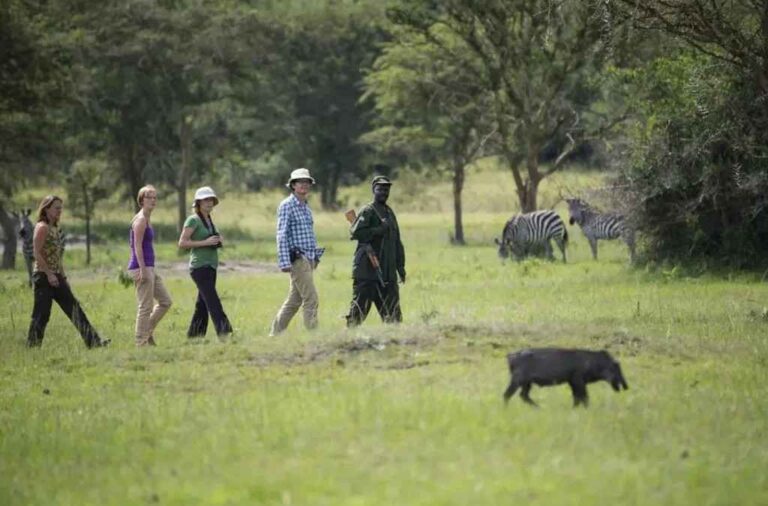
Lake Mburo can provide an excellent wildlife extension, particularly for travelers interested in zebras, antelopes, walking safaris and other activities.
Mambo offers a 4-day itinerary combining Bwindi gorillas and Lake Mburo.
Flying Gorilla Safari in Uganda
Not every traveler wants to spend many hours traveling by road.
For visitors who prefer a quicker and more comfortable journey, a flying gorilla safari can be an excellent option.
Mambo Gorilla Safaris offers a 3-day flying gorilla safari from Entebbe or Kajjansi toward the Bwindi area, using airstrips such as Kihihi or Kisoro depending on the itinerary.
A typical flying itinerary can include:
Day 1
Flight from the Entebbe area toward Bwindi.
Day 2
Gorilla trekking.
Day 3
Return flight.
Flying can significantly reduce road travel time and leave more time for relaxation.
Gorilla Safari From Kigali to Uganda
Another option is to fly into Kigali International Airport and travel overland into southwestern Uganda.
This can be particularly useful for travelers who:
- Are already visiting Rwanda
- Want to combine Rwanda and Uganda
- Prefer a shorter route to Bwindi
- Want to experience both countries
A customized Uganda-Rwanda itinerary can include:
Kigali → Bwindi → Queen Elizabeth → Kibale
or another route based on your interests and travel dates.
Uganda vs Rwanda Gorilla Trekking
Both Uganda and Rwanda offer mountain gorilla trekking.
The right destination depends on your itinerary.
Choose Uganda if you want to:
- Combine gorillas with chimpanzees
- Add several wildlife parks
- Explore more of Uganda
- Consider a longer safari
- Combine primates and classic wildlife
Consider Rwanda if you want to:
- Focus on Volcanoes National Park
- Build a shorter gorilla safari from Kigali
- Combine gorillas with Nyungwe chimpanzee trekking
- Add a Rwanda wildlife itinerary
Mambo Gorilla Safaris operates safari programs in both Uganda and Rwanda, including Rwanda gorilla trekking and longer Rwanda wildlife-and-primate itineraries.
How Many Days Do You Need for a Uganda Gorilla Safari?
Your ideal trip length depends on how much you want to see.
3 Days
Ideal for a focused Bwindi gorilla experience.
Mambo offers a 3-day Bwindi gorilla tour including gorilla trekking and a cultural encounter.
4–5 Days
Ideal for combining gorilla trekking with another activity or wildlife destination.
6–8 Days
Excellent for combining:
- Gorilla trekking
- Chimpanzee tracking
- Queen Elizabeth National Park
- Cultural experiences
10 Days or More
Perfect for a comprehensive Uganda safari combining several national parks.
Mambo’s 10-day wildlife and primate itinerary combines Murchison Falls, Kibale, Queen Elizabeth, Bwindi and Lake Mburo.
Sample 3-Day Uganda Gorilla Safari
Day 1: Travel to Bwindi
Your Mambo safari guide picks you up and you travel toward Bwindi Impenetrable National Park.
Depending on your route, you can stop at the Equator and enjoy lunch along the way.
Arrive at your lodge, relax and prepare for the following day’s gorilla trek.
Day 2: Gorilla Trekking
After breakfast, head to the park headquarters for briefing.
Then begin your trek into the forest.
Search for your assigned gorilla family with experienced guides and trackers.
Once you locate them, spend the designated viewing period observing and photographing the family.
Return to the lodge for relaxation.
If time permits, add a cultural experience.
Day 3: Departure
After breakfast, begin your journey back toward Kampala, Entebbe or your preferred destination.
This is an excellent option for travelers who want to focus almost entirely on gorilla trekking.
Sample 7-Day Uganda Gorilla and Wildlife Safari
Day 1
Arrival in Uganda and transfer toward Kibale.
Day 2
Chimpanzee trekking in Kibale.
Day 3
Transfer to Queen Elizabeth National Park.
Day 4
Game drive and Kazinga Channel boat cruise.
Day 5
Transfer to Bwindi.
Day 6
Gorilla trekking.
Day 7
Return journey.
This itinerary combines two of Uganda’s greatest primate experiences with classic wildlife viewing.
Best Time to Book Your Uganda Gorilla Safari
It is advisable to begin planning early.
This is particularly important if you:
- Have fixed travel dates
- Want a specific trekking sector
- Need a particular accommodation category
- Are traveling during a popular season
- Want a larger group
- Want a gorilla habituation experience
- Need domestic flights
The earlier you plan, the more options your safari planner has when coordinating permits, accommodation and transportation.
Uganda Gorilla Safari for Solo Travelers
You do not have to travel as a large group to experience Uganda’s mountain gorillas.
Solo travelers can arrange private safaris or join suitable scheduled arrangements.
Mambo Gorilla Safaris’ tour programs indicate that some itineraries can accommodate solo travelers and can be customized according to traveler preferences.
A solo safari can therefore be built around:
- Gorilla trekking
- Chimpanzee tracking
- Wildlife
- Birding
- Culture
- Photography
Uganda Gorilla Safari for Couples and Honeymooners
Uganda can also be an excellent honeymoon destination for couples who want something more adventurous than a conventional beach holiday.
A honeymoon itinerary can combine:
Gorilla trekking + luxury accommodation + wildlife + cultural experiences.
For couples, we can arrange private transportation, carefully selected accommodation and a flexible itinerary.
You can also combine Uganda with Rwanda or another East African destination.
Uganda Gorilla Safari for Photographers
Gorilla trekking offers extraordinary photography opportunities.
But rainforest photography presents challenges.
You may encounter:
- Low light
- Dense vegetation
- Rain
- Moving subjects
- High contrast
- Obstructed views
Bring:
- A versatile zoom or telephoto lens
- Extra batteries
- Extra memory cards
- Rain protection
- Lens cloth
- Dry bag
And remember: the purpose of the encounter is to observe the gorillas responsibly, not to obtain a perfect photograph at any cost.
Responsible Gorilla Tourism
A responsible gorilla safari should protect the animals, the forest and surrounding communities.
Travelers should:
- Follow ranger instructions
- Keep the required distance
- Avoid touching gorillas
- Never feed wildlife
- Avoid loud noises
- Take all waste out of the forest
- Respect local communities
- Follow health requirements
- Support legitimate local businesses
Mambo Gorilla Safaris’ safari programs emphasize gorilla conservation and community experiences as part of the wider gorilla tourism experience.