Email: info@mambogorillasafarisuganda.com | Call: +256772666331

5 Best Things to Do on Safari in Southwestern Uganda

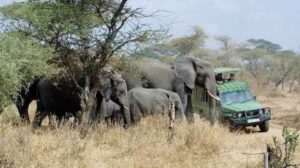
Southwestern Uganda is one of the country’s most rewarding safari regions, offering a remarkable combination of mountain gorillas, golden monkeys, savannah wildlife, scenic lakes and rich cultural experiences. Whether you are visiting Uganda for the first time or returning for another African adventure, this region offers plenty of opportunities to experience the country’s natural beauty.
From trekking through the ancient rainforest of Bwindi Impenetrable National Park to watching elephants in Queen Elizabeth National Park and relaxing beside the beautiful Lake Bunyonyi, a safari in southwestern Uganda can combine adventure, wildlife and relaxation in one memorable journey.
But what are the best things to do on safari in southwestern Uganda?
The five experiences below are excellent starting points for planning your trip. With help from Mambo Gorilla Safaris Uganda, you can combine the activities that interest you most into an itinerary suited to your travel dates, budget and available time.
1. Go Mountain Gorilla Trekking in Bwindi Impenetrable National Park
Mountain gorilla trekking is one of the leading reasons travelers visit southwestern Uganda. Located in southwestern Uganda, Bwindi Impenetrable National Park protects a remarkable rainforest ecosystem that is home to endangered mountain gorillas and many other forest species.
For many visitors, meeting a mountain gorilla family in its natural habitat is the highlight of an entire African safari.
What to expect during gorilla trekking
Your experience normally begins with a morning briefing at the designated park headquarters. Rangers explain the trekking rules, safety precautions and responsible wildlife-viewing practices before visitors are assigned to trekking groups.
You then enter the forest with authorized guides and trackers to search for the assigned gorilla family. The duration and difficulty of the trek vary because gorillas move freely through the forest.
Once the group locates the gorillas, visitors are allowed a limited viewing period under the applicable park rules. This provides an opportunity to observe their social behaviour, watch young gorillas playing and photograph the family while maintaining the required distance.
What makes Bwindi special?
- Mountain gorilla encounters: Observe these endangered primates in their natural environment.
- Rainforest scenery: Explore a lush forest with steep slopes, thick vegetation and diverse birdlife.
- Experienced guides: Learn about gorilla behaviour, the forest ecosystem and conservation.
- Community experiences: Add a village visit or cultural activity where available.
- Photography opportunities: Capture wildlife and forest scenery while following park instructions.
Bwindi has several trekking sectors, including Buhoma, Ruhija, Rushaga and Nkuringo. Your accommodation and permit arrangements should match the sector where your trek is booked.
How to prepare for gorilla trekking
Bring sturdy hiking boots, long trousers, a long-sleeved shirt, drinking water, a rain jacket and a small daypack. The forest can be wet and muddy, even when conditions elsewhere are dry.
Gorilla permits should be arranged in advance, particularly for popular travel periods. Confirm current permit prices, availability, age requirements and trekking conditions with the relevant authorities or your safari operator.
If gorilla trekking is your main reason for visiting Uganda, explore Mambo Gorilla Safaris Uganda’s 3-Day Gorilla Trekking in Bwindi package as a starting point.
2. Enjoy Wildlife Game Drives and a Boat Cruise in Queen Elizabeth National Park
If you want to experience more than primates, Queen Elizabeth National Park is an excellent addition to a southwestern Uganda safari. The park combines open savannah, wetlands, lakes, woodland and other habitats that support a variety of wildlife.
A visit here gives you the opportunity to experience Uganda’s classic savannah safari alongside your forest adventures.
Go on a game drive
Game drives allow you to explore the park in a safari vehicle accompanied by a guide. Depending on the area, season and luck, you may encounter African elephants, buffaloes, Uganda kob, warthogs and a variety of other animals.
Predators, including lions and leopards, may also be seen, although wildlife sightings can never be guaranteed.
The Kasenyi Plains are a popular area for game drives, while the Ishasha sector in the southern part of the park is known for its tree-climbing lions. Seeing lions resting in trees is a special possibility, not a guaranteed sighting.
Early-morning and late-afternoon drives can provide rewarding wildlife-viewing and photography opportunities. Your guide can recommend the best schedule for your itinerary.
Take a boat cruise on the Kazinga Channel
A boat cruise on the Kazinga Channel is another highlight of Queen Elizabeth National Park. The channel connects Lake Edward and Lake George and offers opportunities to observe wildlife along the shoreline.
You may see hippos in the water, crocodiles along the banks, elephants visiting the water’s edge and numerous waterbirds.
A cruise also provides a different perspective from a game drive. Instead of searching for animals across the plains, you can watch wildlife from the water while learning about the park’s habitats.
Why include Queen Elizabeth National Park?
A safari here is particularly suitable for:
- Travelers who want both primate experiences and savannah wildlife.
- Wildlife photographers and birdwatchers.
- Couples and families seeking varied safari activities.
- Visitors who want to explore the Ishasha sector and its tree-climbing lions.
- Travelers planning a longer itinerary through western and southwestern Uganda.
For a more comprehensive itinerary, explore Mambo Gorilla Safaris Uganda’s 3-Day Queen Elizabeth National Park Safari.
3. Experience Golden Monkey Trekking in Mgahinga Gorilla National Park
Golden monkey trekking is another exciting activity to consider when planning a safari in southwestern Uganda.
Mgahinga Gorilla National Park lies in the Virunga Mountains near Uganda’s borders with Rwanda and the Democratic Republic of the Congo. Its volcanic landscapes, montane forests and bamboo vegetation provide habitat for golden monkeys, a distinctive primate found in the Virunga region.
What happens during golden monkey trekking?
Visitors normally gather for a briefing before entering the forest with authorized guides. The team searches for the golden monkeys while explaining their behaviour and the surrounding environment.
Golden monkeys are active and often move through bamboo vegetation in groups. Watching them feed, jump between branches and interact with one another can be a lively contrast to the quieter experience of observing mountain gorillas.
The activity involves walking through forest terrain, so suitable footwear and clothing are important.
Other attractions in Mgahinga
Depending on your interests, available permits and conditions, you may also consider:
- Volcano hiking: Explore the Virunga volcanic landscape on an authorized guided hike.
- Birdwatching: Look for forest and montane bird species.
- Nature walks: Learn about the park’s vegetation and ecological features.
- Cultural experiences: Arrange a respectful, locally guided Batwa cultural visit where available.
- Gorilla trekking: Mgahinga is also a mountain gorilla trekking destination, subject to permit availability.
Golden monkey trekking is especially attractive to travelers who want to experience more of Uganda’s primate diversity beyond mountain gorillas.
Because activities have different requirements, confirm permits, fitness expectations, schedules and availability before finalizing your itinerary.
4. Relax at Lake Bunyonyi and Explore Its Islands
After trekking through forests or spending time on game drives, Lake Bunyonyi offers a peaceful place to relax. Situated in the Kigezi highlands of southwestern Uganda, the lake is known for its scenic hills, terraced farmland and numerous islands.
It is a wonderful option for travelers who want to balance an active safari with time to enjoy Uganda’s landscapes and local hospitality.
Take a canoe trip
Canoeing is one of the best ways to appreciate Lake Bunyonyi. Depending on the route and conditions, a guided trip can take you past islands, quiet bays and lakeside communities.
Traditional dugout canoes and other available watercraft offer different ways to explore the lake. Follow your guide’s safety advice and use suitable flotation equipment.
Explore the islands and surrounding countryside
A guided boat trip or island visit allows you to appreciate the lake’s scenery and learn about the area. Some excursions include local stories, community visits or stops at selected viewpoints.
Ask your guide about the history and cultural significance of the places you visit, and always seek permission before photographing residents.
Enjoy birdwatching and lakeside relaxation
The lake’s wetlands and surrounding hills provide opportunities for birdwatching and landscape photography. You can also spend time reading, enjoying the scenery or simply resting at your accommodation.
Lake Bunyonyi can be a particularly welcome stop after gorilla trekking because it offers a slower pace before the next part of your journey.
How long should you stay?
One or two nights can work well for travelers who want a short lakeside break. Visitors who enjoy walking, canoeing, birdwatching or community experiences may prefer to stay longer.
Swimming conditions and safety should be confirmed locally rather than assumed. Ask your accommodation or guide about current advice before entering the water.
5. Discover Local Culture Through a Responsible Community Experience
A safari in southwestern Uganda is not only about wildlife and scenery. It can also be an opportunity to learn about the people and communities who live around the region’s protected areas.
A well-organized community visit can introduce travelers to local history, traditional knowledge, crafts, food, music or daily life. The exact activities depend on the community, location and arrangements made with local hosts.
Learn through a Batwa cultural experience
Some visitors to the Bwindi and Mgahinga region choose to join a Batwa cultural experience. These visits may provide insight into Batwa history, forest knowledge, traditional practices and the changes communities have experienced over time.
Choose a program led or supported by the community itself. A respectful experience should give local participants control over how their history and traditions are presented and should provide a fair benefit to those involved.
Avoid treating cultural activities as performances that can be demanded on request. Listen to your hosts, follow their guidance and ask permission before taking photographs.
Visit local villages and community projects
Depending on your location, you may be able to add a guided village walk, craft visit, community tourism project or local food experience.
These activities can help travelers understand the connection between tourism, local livelihoods and conservation. They may also provide opportunities to purchase locally made crafts directly from their makers.
Why add a cultural activity to your safari?
Community experiences can:
- Provide a broader understanding of life in southwestern Uganda.
- Introduce visitors to local history, skills and traditions.
- Create opportunities to support locally managed tourism.
- Complement wildlife activities with personal interactions and learning.
- Encourage more responsible and respectful travel.
Ask Mambo Gorilla Safaris Uganda about community activities that fit your route and can be arranged with appropriate local partners.
How to Combine These Five Experiences into One Safari
The best itinerary depends on your arrival point, available days, trekking permits, accommodation choices and the amount of time you want to spend travelling between destinations.
Here is an example of how the five experiences could fit into a longer southwestern Uganda safari.
Suggested 6-day southwestern Uganda itinerary
Day 1: Travel to Queen Elizabeth National Park
Meet your guide and travel toward the park. Depending on your arrival time and road conditions, you may have time to settle into your lodge and enjoy an evening activity.
Day 2: Game drive and Kazinga Channel boat cruise
Explore the savannah on a guided game drive and take a scheduled boat cruise to observe hippos, waterbirds and other wildlife.
Day 3: Travel toward Bwindi
Continue toward the Bwindi area. If time, route and conditions allow, arrange a suitable cultural or community experience along the way.
Day 4: Mountain gorilla trekking
Attend the morning briefing, trek with your assigned group and spend the permitted viewing time observing a mountain gorilla family. Rest at your lodge afterward.
Day 5: Golden monkey trekking or a Lake Bunyonyi visit
Choose the activity that best fits your permit availability and route. Golden monkey trekking in Mgahinga and time at Lake Bunyonyi are both worthwhile options, but combining them may require additional travel time or an extra night.
Day 6: Community experience and departure
Depending on your location and departure arrangements, enjoy a locally guided cultural visit or a final lakeside activity before travelling onward.
Important: This is a planning example, not a fixed schedule. The order of activities may need to change to accommodate permit dates, park access, driving times and accommodation locations. A longer trip may be more comfortable if you want to experience all five activities without rushing.
Best Time to Visit Southwestern Uganda
Southwestern Uganda can be visited throughout the year, but weather and trail conditions influence the experience.
The relatively drier periods commonly fall around June to August and December to February. These months can be attractive for trekking and road travel, although conditions vary and demand for permits may be higher.
Rain is possible throughout the year, particularly in forested and mountainous areas. During wetter periods, trails may become slippery and travel may take longer.
Before booking, consider:
- Gorilla trekking permits: Confirm availability for your preferred date and trekking sector.
- Trail conditions: Prepare for mud, rain and uneven terrain.
- Wildlife viewing: Animals are wild, and sightings depend on their movements and local conditions.
- Accommodation: Reserve suitable lodges early during popular travel periods.
- Travel time: Leave enough flexibility for road conditions and transfers between destinations.
The best time for your safari is the period that fits your interests, availability and comfort with the weather.
What to Pack for a Safari in Southwestern Uganda
Packing well can make a major difference, especially when your itinerary includes forest trekking, wildlife drives and lake activities.
Consider bringing:
- Sturdy hiking boots with good grip.
- Long trousers and long-sleeved clothing for forest walks.
- A waterproof jacket and a small daypack.
- Drinking water and personal snacks where permitted.
- Insect repellent and sunscreen.
- A hat and lightweight clothing for warmer conditions.
- Binoculars for wildlife and birdwatching.
- A camera with spare batteries and memory cards.
- Personal medication and any required travel documents.
- A small amount of local currency for incidental expenses.
Follow your guide’s instructions about what can be carried into protected areas, and avoid bringing food or other items that could disturb wildlife.
Why Book a Southwestern Uganda Safari with Mambo Gorilla Safaris Uganda?
Planning a multi-destination safari requires careful coordination. Gorilla permits, park activities, accommodation and road transfers must fit together to create a practical itinerary.
Mambo Gorilla Safaris Uganda can help you explore itinerary options based on your preferred experiences, travel dates and budget.
You may also want to explore these trips:
- 3-Day Gorilla Trekking in Bwindi for a focused gorilla trekking experience.
- 10 Days of Wildlife and Primate Trekking in Uganda for a broader wildlife and primate itinerary.
- 4 Days Bwindi Gorillas and Lake Mburo for a combination of gorilla trekking and savannah wildlife.
- Uganda Wildlife and Gorilla Safari for a longer safari experience.
When requesting a quotation, share your arrival and departure dates, group size, accommodation preference, desired activities and approximate budget. Ask for a clear breakdown of what is included, especially permits, park fees, transport, meals and accommodation.
Frequently Asked Questions About Safaris in Southwestern Uganda
1. What are the best things to do on safari in southwestern Uganda?
The leading experiences include mountain gorilla trekking in Bwindi, wildlife game drives and a boat cruise in Queen Elizabeth National Park, golden monkey trekking in Mgahinga, relaxing at Lake Bunyonyi and joining a responsible community or cultural experience.
2. Can I see gorillas and other wildlife on the same safari?
Yes. Many travelers combine gorilla trekking in Bwindi with game drives and a boat cruise in Queen Elizabeth National Park. With sufficient time and appropriate permits, you can add other activities such as golden monkey trekking or a visit to Lake Bunyonyi.
3. How many days do I need for southwestern Uganda?
Three days may be sufficient for a focused trip around one main activity, depending on your starting point and route. Five to seven days or more generally provides greater flexibility for combining gorilla trekking, wildlife viewing, cultural activities and lakeside relaxation.
4. Is golden monkey trekking available in southwestern Uganda?
Yes. Golden monkey trekking is offered in Mgahinga Gorilla National Park, subject to current permit availability and park arrangements. Visitors should confirm requirements before travelling.
5. Is Lake Bunyonyi worth visiting after gorilla trekking?
Lake Bunyonyi is a popular place to relax after a gorilla trek. Visitors can enjoy scenic views, canoeing, birdwatching, selected island trips and lakeside accommodation.
6. Can I see tree-climbing lions in southwestern Uganda?
The Ishasha sector of Queen Elizabeth National Park is known for tree-climbing lions. Sightings are not guaranteed because lions move freely and may not be visible during every visit.
7. What is the best time for gorilla trekking in southwestern Uganda?
The relatively drier periods around June to August and December to February are popular with many travelers. However, gorilla trekking takes place year-round, and visitors should be prepared for rain and slippery trails at any time.
8. Do I need to book gorilla permits in advance?
Advance booking is strongly recommended, especially for preferred dates and busy travel periods. Confirm availability and current permit requirements before finalizing flights and accommodation.
9. Can families visit southwestern Uganda?
Families can enjoy many activities in the region, but age restrictions apply to gorilla trekking and other activities may have their own requirements. Confirm current rules for each participant before booking.
10. Can Mambo Gorilla Safaris Uganda organize a customized itinerary?
You can contact Mambo Gorilla Safaris Uganda to discuss a trip that matches your dates, group size, interests and budget. Confirm the availability and inclusion of each activity before making payment.
Conclusion: Discover the Best of Southwestern Uganda
Southwestern Uganda offers a wonderful combination of rainforest wildlife, savannah adventures, volcanic landscapes, peaceful lakes and cultural encounters.
Gorilla trekking in Bwindi is an unforgettable highlight, while Queen Elizabeth National Park offers opportunities for game drives and boat cruises. Golden monkey trekking in Mgahinga, relaxing at Lake Bunyonyi and learning from local communities add further variety to the journey.
The key to a rewarding safari is choosing activities that suit your interests and allowing enough time to travel between destinations comfortably.
Ready to explore southwestern Uganda? Contact Mambo Gorilla Safaris Uganda to plan your safari and discover the wildlife, landscapes and cultural experiences that make this part of Uganda special.


