Email: info@mambogorillasafarisuganda.com | Call: +256772666331

Why Tip Gorilla Guides and Trackers in Uganda and Rwanda?

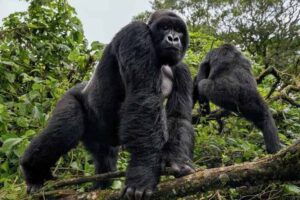
Gorilla trekking in Uganda and Rwanda is one of Africa’s most memorable wildlife experiences. Walking through an ancient rainforest, listening to birds and discovering a family of endangered mountain gorillas in their natural habitat is an experience that stays with visitors for a lifetime.
Behind every successful gorilla trek is a dedicated team of professionals. Gorilla guides, trackers, rangers, porters and other support staff help visitors navigate challenging forest terrain, locate gorilla families, understand gorilla behaviour and follow conservation rules.
One common question travelers ask before their safari is: Why should you tip gorilla guides and trackers in Uganda and Rwanda, and how much should you give?
Tipping is not compulsory, and there is no single official amount that every visitor must pay. However, a voluntary tip is a thoughtful way to recognize excellent service and show appreciation for the people who help make your gorilla trekking experience safe, informative and enjoyable.
At Mambo Gorilla Safaris Uganda, we encourage travelers to understand local tipping customs before setting off on their adventure. This guide explains who you may tip, suggested amounts, when to give a tip and how responsible tipping can support the people working in gorilla tourism.
1. Why Is Tipping Important During Gorilla Trekking?
Gorilla trekking requires teamwork, preparation, patience and specialist knowledge. Guides and trackers work in demanding forest environments, while porters help visitors carry equipment and manage steep or muddy trails.
A voluntary tip recognizes the effort and professionalism of these workers. Depending on the recipient and local arrangements, it can also provide additional income to individuals and their families.
Supporting local livelihoods
Many porters and tourism support workers come from communities surrounding Uganda’s Bwindi Impenetrable National Park and Mgahinga Gorilla National Park, as well as Rwanda’s Volcanoes National Park.
Hiring a porter creates paid work, while a tip provides additional recognition for the service offered. These opportunities can help local residents participate in the tourism economy.
Recognizing conservation work
Gorilla guides and trackers help visitors understand the importance of protecting mountain gorillas and their forest habitat. Their work contributes to a well-organized trekking experience and helps visitors appreciate why conservation rules matter.
Tipping is not a substitute for conservation funding or official park fees. Rather, it is a personal expression of gratitude to the people who serve you.
Rewarding excellent service
A guide who patiently explains gorilla behaviour, answers questions, supports the group and communicates clearly can make a trek more meaningful. Similarly, a porter who helps you safely navigate difficult sections deserves recognition for the assistance provided.
The amount you give should reflect your budget and the service received.
2. How Much Should You Tip Gorilla Guides in Uganda?
Uganda offers mountain gorilla trekking in Bwindi Impenetrable National Park and Mgahinga Gorilla National Park. Both destinations attract visitors seeking close, carefully managed encounters with mountain gorillas in their natural habitat.
During a trek, the ranger guide leads the group, explains the rules and helps visitors observe the gorillas responsibly.
As a practical budgeting guide, consider the following voluntary tipping ranges. They are suggested amounts rather than official Uganda Wildlife Authority rates.
| Person or service | Suggested tip |
|---|---|
| Lead gorilla guide | US$10–30 per visitor |
| Trackers and supporting trekking team | US$5–15 per visitor, pooled where appropriate |
| Porter | US$5–20 per visitor, depending on assistance and service |
| Safari driver-guide | US$5–15 per visitor per day |
| Lodge staff | US$2–5 per visitor per night, or a suitable shared contribution |
These ranges are flexible. Your tour operator or guide can advise you about local arrangements, group tipping practices and whether a shared collection is preferred.
Should you tip your Uganda gorilla guide individually?
You may give your tip directly to the guide when the trek has ended, provided this follows the local arrangements. If the guide explains that tips for the wider team should be pooled, ask how the contribution will be distributed.
A sincere thank-you is also appropriate, regardless of whether you are able to tip.
3. Why Should You Tip Gorilla Trackers?
Trackers play an important role in preparing for gorilla trekking. They enter the forest ahead of visitors to look for signs of the gorilla family, follow trails and communicate information about the group’s location to the trekking team.
Their work helps the guide coordinate the route and can make the day’s experience more organized.
Trackers work before visitors arrive
Depending on the location and conditions, trackers may begin their work early in the morning. They look for evidence such as footprints, feeding sites, nests and other signs that help them follow gorilla movements.
The forest is unpredictable, and gorillas move freely through their habitat. Trackers therefore need patience, experience and an understanding of the environment.
How much should you tip gorilla trackers?
A practical guideline is approximately US$5–15 per visitor for the tracking team, where tips are accepted and a pooled contribution is appropriate.
This is not an official rate. Some trekking teams organize shared tips, while others may advise visitors on a different approach. Ask your guide or safari operator how best to recognize the trackers without accidentally duplicating a group contribution.
Remember that trackers may not remain with visitors throughout the gorilla encounter. Their contribution is still valuable even if you do not interact with each team member personally.
4. Why Hire and Tip a Gorilla Trekking Porter?
Hiring a porter is one of the practical ways to make a gorilla trek more comfortable. Porters can carry your daypack, water, rain jacket or camera accessories, leaving you with less weight to manage on uneven ground.
In some situations, they can also offer a helping hand on steep, slippery or muddy sections.
Hiring a porter is different from tipping
This distinction is important. The porter hire fee pays for the service itself. A tip is an additional voluntary payment offered to express appreciation.
You should agree on the hire fee before starting the trek and clarify what assistance is included.
How much should you tip a porter?
A suggested tip is US$5–20 per visitor, depending on the difficulty of the trek, the help provided and your budget. You may choose a different amount based on the service received.
If you hire a porter, you are helping create a direct tourism income opportunity for a local worker. You do not need to hire one solely because you feel pressured to tip, but it is worth considering whether the assistance would improve your comfort and safety.
For travelers with mobility limitations, ask your safari operator about available assistance options before booking. Availability and arrangements should be confirmed for the particular trekking location.
5. Tipping Gorilla Guides and Trackers in Rwanda
Rwanda’s principal mountain gorilla trekking destination is Volcanoes National Park, in the northwestern part of the country. As in Uganda, a successful trek depends on guides, trackers, rangers and, where hired, porters.
The same basic tipping principles apply: gratuities are voluntary, should reflect the service received and should be given respectfully.
Suggested tips in Rwanda
| Person or service | Suggested tip |
|---|---|
| Lead gorilla guide | US$10–30 per visitor |
| Trackers and supporting team | US$5–15 per visitor, pooled where appropriate |
| Porter | US$5–20 per visitor, depending on service |
| Safari driver-guide | US$5–15 per visitor per day |
| Lodge staff | US$2–5 per visitor per night, or a shared contribution |
These figures are planning suggestions, not official Rwanda Development Board rates. Your operator may recommend a different approach based on the trekking arrangements and the number of people sharing the contribution.
Is tipping compulsory in Rwanda?
No. Visitors should not feel obliged to provide a tip they cannot afford. Tipping is a voluntary gesture of appreciation and should not be confused with the gorilla trekking permit, guide fee or other costs included in a safari package.
If you are uncertain about how to distribute a tip among guides and trackers, ask the team before handing over the money.
6. Uganda vs Rwanda: Are Gorilla Trekking Tips Different?
The basic purpose of tipping is similar in both countries: to acknowledge good service and the contribution of people who help deliver a responsible wildlife experience.
However, the precise customs and arrangements can vary between trekking locations, operators and individual teams.
| Consideration | Uganda | Rwanda |
|---|---|---|
| Main gorilla trekking locations | Bwindi and Mgahinga | Volcanoes National Park |
| Lead guide | Leads the trek and explains safety and conservation rules | Leads the trek and explains safety and conservation rules |
| Trackers | Help locate gorilla families and relay information | Help locate gorilla families and relay information |
| Porters | Available for hire, subject to local arrangements | Available for hire, subject to local arrangements |
| Tipping | Voluntary; suggested amounts vary | Voluntary; suggested amounts vary |
| Best practice | Ask your guide or operator about the preferred arrangement | Ask your guide or operator about the preferred arrangement |
The most important factor is not whether you are trekking in Uganda or Rwanda. It is understanding the service provided, following local guidance and giving within your means.
7. When Is the Best Time to Tip Gorilla Guides and Trackers?
For most visitors, the end of the trek is the simplest time to give a tip.
By then, you have experienced the service and can express your appreciation without interrupting the briefing, the walk through the forest or the gorilla encounter.
A simple tipping routine
- Before trekking: Ask your safari operator how tipping is normally handled and prepare small cash denominations.
- During the trek: Focus on the guide’s instructions and follow all gorilla viewing rules.
- After the trek: Thank your guide and porter, and ask about the preferred way to tip the tracking team.
- At your lodge: Use a designated staff tip box if available, or follow the lodge’s recommended arrangement.
You do not need to make a public display of your tip. A discreet, polite gesture is usually best.
8. Should You Tip in US Dollars or Local Currency?
Both US dollars and local currency may be suitable, depending on the recipient’s preference and the location.
In Uganda, the local currency is the Ugandan shilling. In Rwanda, it is the Rwandan franc. Local currency can be convenient for smaller payments, while some tourism workers may prefer US dollars.
Before travelling, consider these practical tips:
- Carry small denominations so that you can give an appropriate amount without needing change.
- Use clean, undamaged banknotes if paying in foreign currency.
- Ask whether the recipient prefers local currency or US dollars.
- Do not assume that every person will accept the same currency.
- Keep your tipping cash separate from the money reserved for permits, transport and accommodation.
Do not exchange money or carry large amounts of cash solely to meet an assumed tipping requirement. Plan according to your budget and the advice of your operator.
9. Does Tipping Support Gorilla Conservation?
Tipping and conservation funding are related to gorilla tourism, but they are not the same thing.
Official conservation bodies manage permits, protected areas and conservation programmes. In Uganda, the Uganda Wildlife Authority oversees national parks, including Bwindi and Mgahinga. Rwanda’s relevant tourism and conservation arrangements are managed through the country’s designated institutions.
A tip normally goes to an individual or a team, according to the agreed arrangement. It should not automatically be described as a donation to a conservation authority.
Nevertheless, respectful tourism can contribute to the wider system that makes gorilla trekking possible. Hiring local porters, using responsible tour operators, respecting park rules and supporting legitimate community experiences can all help visitors engage more thoughtfully with destinations around the gorilla habitats.
The most meaningful approach is to recognize people’s work while also following the rules designed to protect the gorillas.
10. Gorilla Trekking Etiquette: More Important Than the Tip
A tip is appreciated, but responsible behaviour during the trek is essential.
Mountain gorillas are wild animals, and visitors must follow the instructions of their guides and park authorities.
Keep these points in mind:
- Follow your guide’s instructions at all times.
- Maintain the required distance from the gorillas.
- Avoid loud noises, sudden movements and behaviour that may disturb the animals.
- Never touch or feed a gorilla.
- Follow current health precautions, including any instructions about illness or respiratory symptoms.
- Do not leave litter in the forest.
- Ask permission before photographing people or community members.
- Avoid pressuring guides to break park rules for photographs or a closer view.
The goal is to enjoy a remarkable wildlife encounter while respecting the animals, the people who protect them and the forest they depend on.
11. Other People You May Tip on a Uganda or Rwanda Safari
Your gorilla trekking experience may be part of a longer safari involving several services.
Safari driver-guide
A driver-guide may handle long road journeys, explain wildlife sightings, coordinate stops and help you reach your accommodation. A suggested amount is US$5–15 per visitor per day, depending on the service and the arrangements for your trip.
Lodge and camp staff
Housekeeping teams, cooks, waiters and other staff contribute to your stay. If your accommodation has a shared tip box, it may be a convenient way to recognize the wider team.
Boat, nature-walk and activity guides
If your itinerary includes a boat cruise, birding excursion or guided nature walk, a voluntary tip may be appropriate for good service. Ask your operator for guidance rather than assuming every activity follows the same custom.
If your safari package already includes service charges or a specified gratuity, clarify what is covered before adding another payment.
12. How to Budget for Tipping on Your Gorilla Safari
Planning a tipping allowance before departure can make your safari more comfortable. It prevents you from having to calculate amounts at the end of a long trekking day.
For a simple budget, list the services you expect to use:
- Gorilla guide and tracking team
- Porter, if hired
- Safari driver-guide
- Lodge or camp staff
- Any additional activity guides
Decide on a reasonable amount for each service and adjust it according to your group size, trip length and personal budget. Remember that a suggested tip per visitor is different from a suggested pooled amount for the whole group.
Your final allowance will depend on the services used and how your tour operator organizes gratuities. Ask for clarification if you are unsure whether tips are included in the package price.
13. Plan Your Uganda or Rwanda Gorilla Trekking Safari with Mambo Gorilla Safaris Uganda
A well-planned gorilla trekking safari includes more than securing a permit. You also need to consider transport, accommodation, trekking location, fitness, packing, park rules and the small practical details that make the experience smoother.
Mambo Gorilla Safaris Uganda can help travelers plan gorilla trekking experiences and explore options for combining primate encounters with other wildlife and cultural activities.
Explore these safari options:
- 3-Day Gorilla Trekking in Bwindi: An option for travelers who want to focus on a gorilla trekking experience in Uganda.
- 10 Days of Wildlife and Primate Trekking in Uganda: A longer itinerary combining wildlife and primate experiences.
- Rwanda Safaris: Explore Rwanda travel options when considering gorilla trekking in Volcanoes National Park.
- 7-Day Wildlife, Gorilla and Rwanda Safari: Consider a broader East African itinerary combining wildlife and gorilla experiences.
Contact Mambo Gorilla Safaris Uganda to discuss your travel dates, group size, preferred destination and budget. Before departure, ask for an up-to-date breakdown of included services and advice about local tipping arrangements.
Frequently Asked Questions About Tipping Gorilla Guides in Uganda and Rwanda
1. Is tipping compulsory when gorilla trekking in Uganda?
No. Tipping is voluntary. You can offer a gratuity to recognize good service, but it should not be treated as a compulsory payment or confused with your gorilla trekking permit.
2. How much should I tip a gorilla guide in Uganda?
As a planning guideline, you might consider US$10–30 per visitor for the lead guide. The amount is flexible and is not an official rate. Ask your operator how the trekking team handles tips.
3. How much should I tip gorilla trackers in Rwanda?
A suggested budgeting range is US$5–15 per visitor for the tracking team when a pooled contribution is appropriate. Local arrangements may differ, so confirm the preferred method with your guide.
4. Should I tip my gorilla trekking porter separately?
If you hire a porter, the agreed hire fee pays for the service. A separate voluntary tip may be offered to recognize additional assistance or excellent service.
5. When should I give tips during a gorilla trek?
The end of the trek is generally a convenient time to thank the guide, trackers and porter. Follow any local instructions about pooled tips or the appropriate recipient.
6. Can I tip in local currency?
Yes, local currency can be a practical option. Ugandan shillings are used in Uganda, while Rwandan francs are used in Rwanda. Ask the recipient what they prefer.
7. Should I tip if my gorilla trek was difficult?
The difficulty of the trek alone does not require a tip. Consider the service provided, your budget and whether the team assisted you professionally. You can express gratitude without exceeding what you can afford.
8. Are tips included in a gorilla trekking safari package?
It depends on the package. Some costs may include specified services or charges, but you should not assume that gratuities are included. Ask your tour operator for a clear breakdown before travelling.
9. Does tipping directly fund gorilla conservation?
A tip generally recognizes the individual or team receiving it. It is not automatically a conservation donation. Permit fees and official conservation funding are separate from personal gratuities.
10. Is it acceptable not to tip?
Yes. Tipping is voluntary, and visitors should give only what they can comfortably afford. Courtesy, respect for local people and responsible behaviour remain important regardless of whether you tip.
Conclusion: Tip with Appreciation and Respect
Tipping gorilla guides and trackers in Uganda and Rwanda is a personal way to acknowledge the skill, patience and effort behind a memorable wildlife encounter. Porters, drivers and lodge staff may also deserve recognition for the services they provide.
There is no universal official tipping rate, so use suggested amounts as a starting point rather than a rule. Ask your safari operator about local customs, prepare small denominations and give discreetly at an appropriate time.
Above all, remember that a responsible gorilla trekking safari is built on respect: respect for the people who make the journey possible, the communities around the parks and the mountain gorillas whose protection makes this extraordinary experience possible.
Planning a gorilla trekking safari in Uganda or Rwanda? Contact Mambo Gorilla Safaris Uganda to discuss your itinerary and prepare for a memorable, responsible African adventure.


