Email: info@mambogorillasafarisuganda.com | Call: +256772666331

Importance of Gorilla Tourism to Uganda: 8 Key Benefits

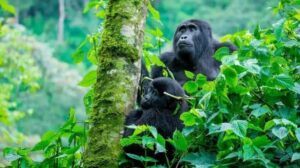
The importance of gorilla tourism to Uganda goes far beyond giving travellers the opportunity to see endangered mountain gorillas in their natural habitat. Gorilla trekking contributes to wildlife conservation, creates employment, supports communities around protected forests, attracts international visitors, and strengthens Uganda’s reputation as a leading wildlife destination.
Uganda is one of the few countries where visitors can trek through tropical forests to observe mountain gorillas in the wild. The country’s two main mountain gorilla trekking destinations are Bwindi Impenetrable National Park and Mgahinga Gorilla National Park, both located in southwestern Uganda.
For travellers, gorilla trekking is an unforgettable wildlife experience. For Uganda, it is also an important tourism activity that connects conservation with economic opportunities and community development.
At Mambo Gorilla Safaris Uganda, we believe understanding the importance of gorilla tourism helps visitors appreciate why responsible travel matters. In this guide, we explain eight major benefits of gorilla tourism to Uganda, how local communities can benefit, the challenges facing the industry, and how travellers can make a positive contribution through responsible gorilla trekking.
1. Gorilla Tourism Supports Mountain Gorilla Conservation
One of the greatest benefits of gorilla tourism to Uganda is its contribution to mountain gorilla conservation.
Mountain gorillas live in a limited area of the forests of Uganda, Rwanda, and the Democratic Republic of the Congo. Their survival depends on protecting their habitat, monitoring their health, preventing wildlife crime, and managing human activities around the forests.
Tourism creates an economic reason to maintain these protected habitats. Gorilla trekking permits and other visitor-related payments contribute to a wider conservation system that includes park management, ranger operations, monitoring, research, and visitor management.
The Uganda Wildlife Authority (UWA) manages the country’s national parks and is responsible for wildlife protection within its mandate. Conservation work also involves researchers, veterinarians, conservation organisations, tourism operators, local communities, and international partners.
According to UWA’s published account of Uganda’s conservation journey, sustained protection, ecological monitoring, veterinary interventions, research, and community engagement have all played important roles in mountain gorilla recovery.
Bwindi’s mountain gorilla population was recorded at 459 individuals in the 2018 census, an important historical benchmark. Population figures should always be attributed to the relevant survey year rather than presented as a current count without verification.
Official conservation information is available through the Uganda Wildlife Authority.
How gorilla tourism helps conservation
- It creates tourism revenue associated with protected wildlife areas.
- It supports ranger patrols and wildlife monitoring as part of broader park management.
- It encourages continued protection of gorilla habitat.
- It helps raise international awareness of mountain gorillas.
- It gives visitors an opportunity to learn about conservation challenges and solutions.
Tourism alone does not guarantee conservation success. Strong enforcement, scientific research, responsible visitor management, and cooperation with surrounding communities remain essential.
2. Gorilla Tourism Creates Employment for Ugandans
Gorilla tourism generates employment opportunities in and around Bwindi Impenetrable National Park and Mgahinga Gorilla National Park.
Every gorilla trekking trip involves more than the visitors and the gorillas. A wider network of people may help make the experience possible, from professional guides and rangers to accommodation staff, drivers, porters, cooks, craft producers, and local tourism businesses.
Jobs supported by gorilla tourism
Gorilla trekking guides: Guides help visitors understand trekking procedures, forest conditions, wildlife behaviour, and responsible conduct.
Park rangers and conservation staff: These workers support visitor safety, patrols, wildlife protection, and protected-area management.
Porters: Travellers can hire local porters to help carry daypacks and other permitted items. This can provide valuable income for community members.
Safari drivers and tour operators: Transport and trip-planning services connect visitors with trekking locations, lodges, and other destinations.
Lodge and hospitality employees: Accommodation providers need staff for reception, housekeeping, food preparation, guiding, and other services.
Artisans and small businesses: Local people may earn income by selling crafts, providing cultural experiences, supplying food, or offering other services to visitors.
The scale and reliability of these benefits depend on visitor numbers, business practices, seasonality, wages, and the extent to which tourism spending remains in local communities.
By choosing responsible tourism providers and locally owned services where appropriate, travellers can help spread tourism income across a wider range of people.
3. Gorilla Tourism Supports Communities Around Bwindi and Mgahinga
Communities living near gorilla habitats are important partners in conservation. Their livelihoods, access to land, and relationship with protected forests can influence how conservation works in practice.
Gorilla tourism can support local development through employment, small businesses, cultural tourism, community projects, and government revenue-sharing arrangements.
The Uganda Wildlife Authority states that it shares 20% of annual park revenue with communities around protected areas. In June 2025, UWA announced a disbursement of UGX 2.197 billion to communities around the Bwindi–Mgahinga Conservation Area for local development projects.
This example illustrates how protected-area tourism can be connected to community development. It does not mean every household receives an equal payment or that every community project is funded directly by an individual gorilla trekking permit.
What can communities gain from gorilla tourism?
- Income from employment and tourism-related businesses.
- Opportunities to sell locally produced goods and crafts.
- Revenue-sharing support for eligible community development projects.
- Opportunities to provide guided walks and cultural experiences.
- Increased demand for locally supplied goods and services.
- Greater participation in conservation discussions and tourism planning.
Community benefits are most meaningful when they are transparent, fairly distributed, and shaped by local priorities.
Travellers can support this process by buying authentic locally made products, hiring community guides, respecting cultural protocols, and choosing experiences that explain how their fees are used.
4. Gorilla Tourism Contributes to Uganda’s Economy
Gorilla trekking is an internationally recognised attraction that helps bring visitors to Uganda. Travellers who come for gorillas may also pay for accommodation, meals, transport, guiding, other wildlife activities, and cultural experiences.
This spending can benefit businesses beyond the immediate trekking areas, including transport companies, restaurants, tour operators, accommodation providers, and suppliers.
Uganda’s wider tourism sector is economically significant. The Ministry of Tourism, Wildlife and Antiquities reported that international tourist arrivals reached approximately 1.64 million in 2025 and tourism receipts reached about UGX 5.83 trillion, equivalent to roughly US$1.62 billion. These figures relate to the national tourism sector, not gorilla tourism alone.
Official figures and reports can be found on the Ministry of Tourism, Wildlife and Antiquities website.
How gorilla tourism generates economic value
Direct visitor spending: Travellers pay for trekking permits, accommodation, transport, meals, and related services.
Business opportunities: Tourism demand can encourage investment in lodges, transport, guiding, and other visitor services.
International visibility: Gorilla trekking helps position Uganda as a distinctive destination for nature-based travel.
Longer itineraries: Some visitors extend their trips to include chimpanzee tracking, wildlife safaris, birdwatching, cultural experiences, and lakeside stays.
Foreign exchange: International visitors bring spending from overseas markets into Uganda’s economy.
The final economic benefit depends on how much money stays in the country and in the local area. Supporting locally owned businesses and well-managed community tourism initiatives can help increase the value retained by Ugandans.
5. Gorilla Tourism Encourages Forest and Habitat Protection
Mountain gorillas depend on forest ecosystems for food, shelter, and movement. Protecting these habitats also helps conserve other plants, animals, and ecological processes.
Bwindi Impenetrable National Park is known for its rich biodiversity, while Mgahinga Gorilla National Park protects part of the Virunga volcanic landscape. These forests and surrounding ecosystems form important parts of Uganda’s natural heritage.
When gorilla tourism is managed responsibly, the economic value associated with living gorillas can help strengthen the case for protecting natural habitats.
Why forest protection matters
Biodiversity: Forests provide habitat for many species of mammals, birds, amphibians, insects, and plants.
Water and soil: Healthy forest ecosystems help regulate water flows, reduce erosion, and protect soils.
Climate: Forests store carbon and contribute to wider climate and ecological processes.
Scientific research: Protected habitats provide opportunities for studying wildlife, disease, forest ecology, and conservation.
Future generations: Maintaining forests helps preserve natural heritage for future Ugandans and visitors.
Tourism must still be carefully controlled. Too many visitors, inappropriate behaviour, poor waste management, or weak planning can put pressure on sensitive habitats. Conservation and tourism authorities need to maintain appropriate visitor limits, rules, monitoring, and enforcement.
6. Gorilla Tourism Promotes Uganda Internationally
Mountain gorillas are among Uganda’s most recognisable wildlife attractions. Images and stories from gorilla trekking help introduce international audiences to the country’s forests, landscapes, and wider tourism opportunities.
This visibility can encourage visitors to explore other parts of Uganda, including Queen Elizabeth National Park, Murchison Falls National Park, Kibale Forest National Park, Lake Mburo National Park, and the country’s lakes and cultural destinations.
How gorilla tourism strengthens Uganda’s tourism image
- It distinguishes Uganda from destinations focused mainly on savannah wildlife.
- It attracts nature lovers, wildlife photographers, and conservation-minded travellers.
- It encourages interest in other Ugandan tourism experiences.
- It supports the development of safari itineraries that combine different regions.
- It creates opportunities for conservation education and international partnerships.
A successful gorilla tourism experience can also encourage visitors to recommend Uganda to friends and family, share travel stories, and return for other experiences.
Tourism promotion should be based on accurate information, responsible wildlife practices, and realistic expectations. Uganda’s reputation benefits when visitors receive reliable guidance and when conservation commitments are reflected in how tourism is managed.
7. Gorilla Tourism Creates Opportunities for Cultural Experiences
Gorilla trekking takes place in regions where people have long histories, cultural traditions, and livelihoods connected to the surrounding landscape.
Visitors may have opportunities to learn about local food, crafts, music, community life, and the relationship between people and the forest. Around Bwindi and Mgahinga, some community-led experiences introduce visitors to Batwa history and heritage.
The Batwa are Indigenous people with a deep historical connection to the forests of the region. Their experiences and perspectives should be shared on their own terms, with respect for their rights, choices, and dignity.
Examples of cultural experiences
- Guided village walks.
- Visits to community craft initiatives.
- Learning about local farming and food traditions.
- Cultural performances organised with participating community members.
- Batwa-led or community-led experiences, where available.
- Purchasing locally made products from artisans.
How to experience local culture responsibly
Choose community experiences that explain their organisation and benefits. Ask permission before taking photographs, follow local guidance, and do not assume that every individual wants to participate in a tourism activity.
A respectful cultural visit should allow local people to decide what they wish to share. It should also avoid presenting communities as tourist attractions rather than as people with contemporary lives, aspirations, and rights.
When arranged responsibly, cultural tourism can create additional income opportunities and help visitors gain a deeper understanding of the people living around Uganda’s protected areas.
8. Gorilla Tourism Encourages Responsible and Educational Travel
For many visitors, seeing mountain gorillas in the wild is a powerful experience. It can encourage a deeper interest in wildlife protection and the challenges facing endangered species.
A guided trek can teach visitors about gorilla behaviour, forest ecosystems, wildlife health, and the importance of respecting animal boundaries.
Responsible gorilla tourism also involves understanding that gorillas are vulnerable to human-related disease risks and disturbance.
How travellers can contribute positively
Follow the guide’s instructions. Park rules are designed to protect visitors and gorillas.
Maintain the required distance. Never attempt to approach, touch, feed, or chase a gorilla.
Do not trek when unwell. Follow current health screening rules and official guidance to reduce the risk of transmitting illnesses to gorillas.
Keep the forest clean. Carry out all waste and avoid damaging plants or disturbing wildlife.
Use permitted photography practices. Follow current rules on flash photography, cameras, and visitor conduct.
Support local services responsibly. Hire porters if useful, respect community customs, and choose businesses that operate transparently.
Learn beyond the trek. Ask your guide about conservation work, forest protection, and ways communities participate in tourism.
Responsible tourism does not end when the trek is over. Travellers can continue to support conservation by sharing accurate information, respecting wildlife, and choosing tourism providers that take environmental and community responsibilities seriously.
Challenges Facing Gorilla Tourism in Uganda
Although gorilla tourism offers important benefits, it also faces challenges that require continued attention.
1. Human-wildlife conflict
Communities near protected areas may experience crop damage or other costs associated with living close to wildlife. Such challenges can create frustration if affected households do not see meaningful benefits from conservation.
Revenue-sharing programmes, conflict-mitigation measures, community participation, and effective responses to wildlife incidents are important parts of long-term conservation.
2. Conservation funding needs
Protecting mountain gorillas requires ongoing investment in ranger operations, research, monitoring, veterinary support, habitat management, and community engagement. Tourism revenue can help, but it is only one part of the wider funding and partnership system.
3. Unequal distribution of benefits
Not everyone living near a protected area earns directly from tourism. Some people may have limited access to tourism jobs or businesses, while others face conservation-related costs.
Transparent benefit-sharing, skills development, local participation, and fair business practices can help improve outcomes.
4. Environmental pressure
Poorly managed tourism can create waste, increase pressure on local resources, and disturb sensitive habitats. Responsible visitor management and strong environmental standards are essential.
5. Dependence on visitor demand
Tourism can be affected by international economic conditions, travel advisories, disease outbreaks, transport disruptions, and other external events. Diversifying local livelihoods and tourism products can help reduce dependence on one activity.
Addressing these challenges is important to ensure gorilla tourism remains beneficial to wildlife, communities, visitors, and Uganda’s economy over the long term.
How to Make Your Gorilla Trekking Safari More Beneficial to Uganda
Travellers can make thoughtful choices that help increase the positive impact of their visits.
- Book with a responsible operator. Choose a provider that explains permit arrangements, visitor rules, inclusions, and local services clearly.
- Respect official conservation rules. Follow all instructions from rangers and guides.
- Consider hiring a local porter. Where available, this can support local income while making the trek more manageable.
- Buy locally made crafts. Purchase from artisans or community businesses when possible.
- Choose a community-led experience. Confirm that the programme is locally organised and explains its benefits to participants.
- Stay long enough to explore responsibly. If your budget and schedule allow, add another destination rather than rushing through several parks.
- Avoid wildlife exploitation. Do not support activities involving harassment, feeding, or inappropriate handling of wild animals.
- Share accurate conservation information. Explain the importance of wildlife protection without exaggerating claims or promising guaranteed animal sightings.
The goal is not simply to spend more money, but to make informed choices that respect wildlife, communities, and the places you visit.
Combine Gorilla Trekking with Other Uganda Safari Experiences
Gorilla trekking can be the highlight of a Uganda holiday, but adding other experiences can help you discover more of the country’s wildlife and landscapes.
Depending on your available time, budget, and interests, consider combining your gorilla trek with one or more of these destinations:
Queen Elizabeth National Park
Enjoy game drives, savannah landscapes, birdwatching, and a possible boat cruise on the Kazinga Channel.
Kibale Forest National Park
Add chimpanzee tracking and discover another of Uganda’s important primate habitats.
Murchison Falls National Park
Explore the River Nile, take a boat cruise towards the falls, and look for wildlife on guided game drives.
Lake Mburo National Park
Consider a shorter wildlife extension featuring game drives, birdwatching, and selected guided nature experiences.
Lake Bunyonyi
Relax beside the lake and enjoy the surrounding hills and islands after your trek in southwestern Uganda.
Mambo Gorilla Safaris Uganda offers safari ideas that can help travellers explore different combinations, depending on availability and their travel plans.
Explore these options:
- 3-Day Gorilla Trekking Safari in Bwindi
- 10 Days of Wildlife and Primate Trekking in Uganda
- 4-Day Bwindi Gorillas and Lake Mburo Safari
- 8-Day Luxury Uganda Wildlife and Gorilla Safari
These pages provide starting points for itinerary planning. Confirm dates, current permit availability, prices, inclusions, and route details before booking.
Frequently Asked Questions About the Importance of Gorilla Tourism to Uganda
Why is gorilla tourism important to Uganda?
Gorilla tourism supports conservation, tourism revenue, employment, community development, and international awareness of Uganda’s natural heritage. Its benefits depend on effective management and fair distribution of tourism opportunities.
How does gorilla tourism help protect mountain gorillas?
Tourism revenue contributes to a wider conservation system that includes protected-area management, ranger patrols, monitoring, research, and other activities. Conservation also depends on government action, scientific work, community participation, and partnerships.
How do local communities benefit from gorilla tourism?
Community members may benefit through jobs, porter services, guiding, accommodation, craft sales, cultural tourism, and community development programmes. Uganda Wildlife Authority also operates a revenue-sharing system for communities around protected areas.
Does gorilla tourism contribute to Uganda’s economy?
Yes. Visitors spend money on permits, accommodation, transport, food, and other services. Gorilla tourism is part of Uganda’s broader tourism economy, which contributes to employment, business activity, and foreign exchange earnings.
What is the role of Uganda Wildlife Authority in gorilla tourism?
The Uganda Wildlife Authority manages national parks and other protected areas under its mandate, administers wildlife tourism activities and permits, and supports wildlife protection and conservation management.
Is gorilla tourism always beneficial to local communities?
Not automatically. Benefits can be unevenly distributed, and communities may also face costs associated with living near wildlife. Effective revenue sharing, community involvement, fair employment, and responsible tourism practices are important.
How can tourists support gorilla conservation?
Visitors can follow park rules, maintain the required distance from gorillas, avoid trekking when unwell, keep the forest clean, use responsible tourism services, and support local businesses and community-led activities.
Where can I go gorilla trekking in Uganda?
Uganda’s mountain gorilla trekking destinations are Bwindi Impenetrable National Park and Mgahinga Gorilla National Park. Trekking requires advance planning and an appropriate permit. Confirm current availability, prices, and rules through authorised channels before travelling.
Conclusion: Why Gorilla Tourism Matters to Uganda
The importance of gorilla tourism to Uganda extends well beyond the memorable experience of meeting mountain gorillas in the forest. When responsibly managed, gorilla tourism can help support conservation, create employment, generate tourism revenue, provide opportunities for surrounding communities, and promote Uganda internationally.
However, lasting benefits require more than visitor numbers. Wildlife must be protected, communities must have meaningful opportunities to benefit, tourism businesses must operate responsibly, and conservation rules must be respected.
Every responsible gorilla trekking experience is an opportunity to appreciate Uganda’s natural heritage and understand the shared effort required to protect it.
Plan your Uganda gorilla trekking safari with Mambo Gorilla Safaris Uganda. Visit mambogorillasafarisuganda.com to explore safari options and plan a journey that combines gorilla trekking with Uganda’s wider wildlife and cultural experiences.
Conservation note: Revenue-sharing policies, permit arrangements, park rules, and conservation statistics may change. Check the latest information from the Uganda Wildlife Authority and the Ministry of Tourism, Wildlife and Antiquities before travelling.


