Email: info@mambogorillasafarisuganda.com | Call: +256772666331

Where Can You Have a Photography Safari in Kenya? 7 Best Places for Wildlife Photography

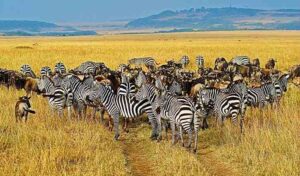
Kenya is one of Africa’s most rewarding destinations for a photography safari, offering opportunities to photograph lions, elephants, leopards, cheetahs, giraffes, zebras, birds and spectacular natural landscapes. From the open grasslands of the Maasai Mara to the elephant-filled plains of Amboseli and the rugged wilderness of Tsavo, each destination offers a different photographic experience.
A photography safari in Kenya is ideal for wildlife photographers, nature lovers, birdwatchers, travel bloggers, filmmakers and visitors who want to capture memorable images of Africa’s wildlife in its natural habitat.
At Mambo Gorilla Safaris Uganda, we help travellers explore East African safari possibilities. If you are planning a Kenya photography holiday or combining Kenya’s wildlife with a gorilla trekking adventure in Uganda, choosing the right destinations, season and itinerary can make your trip more rewarding.
What Is a Photography Safari in Kenya?
A photography safari is a wildlife trip planned around opportunities to take photographs rather than simply viewing animals. It may include early-morning and late-afternoon game drives, time in wildlife-rich areas, experienced safari guides, and a vehicle arrangement that allows you to photograph animals comfortably and safely.
Depending on your interests, your safari can focus on:
- Wildlife photography: Lions, leopards, elephants, cheetahs, giraffes and other mammals.
- Bird photography: Raptors, waterbirds, colourful savannah birds and migratory species.
- Landscape photography: Open plains, mountains, lakes, rivers and dramatic African skies.
- Action photography: Predator behaviour, animal interactions and, when conditions allow, wildebeest river crossings.
- Cultural photography: Community-led experiences, with permission and respect for local customs.
Kenya has a diverse network of national parks and reserves, so the best destination depends on the animals, scenery and photographic style you want to capture.
1. Maasai Mara National Reserve – Best for Big Cats and the Great Migration
The Maasai Mara is one of the most famous wildlife photography destinations in Africa. Its expansive savannah, scattered acacia trees and abundant wildlife make it an excellent choice for photographers seeking classic African safari images.
What can you photograph in the Maasai Mara?
- Lions resting, hunting or interacting with their pride.
- Leopards in trees or moving through the grassland.
- Cheetahs scanning the plains and pursuing prey.
- Elephants, giraffes, zebras, wildebeest and antelopes.
- Predators and scavengers interacting around a kill.
- Dramatic sunsets and wildlife silhouettes.
The annual Great Migration is another major attraction. Large numbers of wildebeest and zebras move between Tanzania’s Serengeti ecosystem and the Maasai Mara as part of their seasonal migration. River crossings can be spectacular photographic moments, but their timing is unpredictable and sightings are never guaranteed.
Best time for Maasai Mara photography
The dry months often provide useful wildlife-viewing conditions because vegetation may be shorter and animals can be easier to spot. The migration period is commonly associated with the middle and later parts of the year, but actual movements depend on rainfall and grazing conditions.
For the best results, spend several days in the reserve instead of relying on one game drive. This gives you more opportunities to photograph different animals, lighting conditions and behaviours.
Photography tip: Use a telephoto lens for distant predators and a wider lens for animals against the vast savannah. Early-morning light can produce beautiful warm tones.
2. Amboseli National Park – Best for Elephant Photography
Amboseli National Park is especially appealing to photographers who want to capture large elephant herds against the iconic backdrop of Mount Kilimanjaro.
The park’s open plains, wetlands and seasonal changes create a variety of photographic settings. Kenya Wildlife Service highlights Amboseli’s elephants, birdlife and mountain scenery among its attractions.
Photography opportunities in Amboseli
- African elephants moving across open plains.
- Elephant families interacting around water and feeding areas.
- Kilimanjaro rising above the savannah when visibility is clear.
- Birds around wetlands and marshes.
- Wildlife silhouettes during sunrise and sunset.
- Maasai community experiences arranged respectfully with local consent.
Mount Kilimanjaro is in neighbouring Tanzania, but its dramatic outline can be visible from Amboseli when the weather and atmospheric conditions are favourable.
When should you visit Amboseli?
The drier periods can provide excellent opportunities for wildlife viewing, while changing weather and vegetation offer different photographic moods throughout the year. Mountain visibility varies, so allow enough time for clear conditions.
Photography tip: Be patient around elephant herds. Rather than photographing only individual animals, look for family interactions, reflections, dust clouds and interesting compositions with the mountain.
3. Samburu National Reserve – Best for Northern Kenya Wildlife
Samburu National Reserve offers a different atmosphere from the southern savannah parks. Its dry landscapes, riverine vegetation and rugged scenery create distinctive images of wildlife adapted to northern Kenya.
The Ewaso Ng’iro River is an important feature of the reserve and attracts wildlife, particularly when surrounding areas are dry.
Animals and scenery to photograph
Depending on conditions and sightings, you may photograph:
- Grevy’s zebra.
- Reticulated giraffes.
- Gerenuks feeding on shrubs.
- Beisa oryx.
- Elephants near river habitats.
- Crocodiles and a variety of bird species.
- Dry-country landscapes and striking patterns of light and shadow.
Samburu is particularly appealing to returning safari travellers who want images beyond the familiar scenes of the Maasai Mara.
Best time for photography in Samburu
The dry season can make it easier to observe animals around water sources, although wildlife movements and sightings change with local conditions. Morning and late-afternoon drives generally provide softer light than the middle of the day.
Photography tip: Focus on the relationship between wildlife and the environment. The reserve’s earthy colours, riverbanks and thorny vegetation can help you create distinctive photographs.
4. Tsavo East National Park – Best for Red Elephants and Vast Landscapes
Tsavo East is a strong choice for photographers who appreciate expansive wilderness and striking natural colours. Its semi-arid landscapes, open plains and red soil create a distinctive setting for wildlife images.
Elephants are among the park’s best-known photographic subjects. Their reddish appearance can result from the dust and soil they coat themselves with, rather than a different natural skin colour.
What can you photograph in Tsavo East?
- Elephants covered in red dust.
- Giraffes, zebras, buffaloes and other wildlife.
- Birds around water sources and river habitats.
- Wide savannah scenes and distant animal silhouettes.
- The Galana River and surrounding landscapes.
- Dramatic skies, rugged terrain and changing light.
Tsavo East is also recognised for its vast wilderness and varied birdlife.
Best time for a Tsavo East photography safari
Dry conditions may improve visibility in some areas, while the greener seasons can provide fresh vegetation and different scenery. The ideal timing depends on whether you prioritise animal sightings, bird photography or landscapes.
Photography tip: Use the park’s red earth as a compositional element. Images of elephants walking through dust can communicate the character of Tsavo particularly well.
5. Tsavo West National Park – Best for Scenic and Wildlife Photography
Tsavo West complements Tsavo East with varied terrain, volcanic features, springs, hills and pockets of lush vegetation. It is suitable for photographers who want to combine animal portraits with landscape images.
Photography highlights in Tsavo West
- Wildlife in open areas and along water sources.
- Mzima Springs and its clear-water environment.
- Volcanic landscapes and lava formations.
- Hills and panoramic viewpoints.
- Birds around springs and other habitats.
- Elephants, buffaloes and other wildlife when encountered.
Mzima Springs is a particularly interesting location for photographers because its clear water and green surroundings contrast with the drier landscape.
When to visit Tsavo West
Photography opportunities vary with rainfall, vegetation and visibility. Allow time to explore different habitats rather than concentrating on one location alone.
Photography tip: Bring both a telephoto lens for wildlife and a wide-angle lens for the park’s volcanic scenery, springs and panoramic views.
6. Lake Nakuru National Park – Best for Bird and Rhino Photography
Lake Nakuru National Park is worth considering if your photography interests include birds, rhinos, woodland scenery and Rift Valley landscapes.
Bird numbers and species vary according to water levels, food availability and seasonal conditions. Although flamingos are associated with the lake, their presence and abundance are not constant.
What can you photograph at Lake Nakuru?
- White and black rhinos where they are visible.
- Flamingos when present in suitable numbers.
- Pelicans and other waterbirds.
- Giraffes and other mammals.
- Woodland wildlife and scenic viewpoints.
- Reflections and changing colours around the lake.
Lake Nakuru can be a useful addition to a longer photography itinerary between Nairobi and other destinations in Kenya’s Rift Valley.
Photography tip: Take time to photograph birds in flight as well as resting birds. A fast shutter speed can help freeze wing movement, while a slower speed may communicate motion when conditions are suitable.
7. Nairobi National Park – Best for a Short Photography Safari
If you have limited time in Kenya, Nairobi National Park provides an opportunity to photograph wildlife without travelling far from the capital.
Its combination of open grassland and the city skyline creates a distinctive contrast between nature and urban life.
Photography opportunities
- Lions and other predators when sighted.
- Giraffes, zebras, buffaloes and antelopes.
- Birdlife across different habitats.
- Wildlife against the distant Nairobi skyline.
- Morning landscapes and open grasslands.
Nairobi National Park can work well for visitors with a stopover, a short stay in Nairobi or a longer trip that begins with a half-day or full-day safari.
Photography tip: Plan your visit around the permitted park entry and exit times, and confirm current access rules before travelling.
Which Is the Best Place for a Photography Safari in Kenya?
The right destination depends on your photographic goals.
| Destination | Best photography focus | Recommended for |
|---|---|---|
| Maasai Mara | Big cats, migration, savannah scenes | First-time and experienced wildlife photographers |
| Amboseli | Elephant herds and Kilimanjaro views | Elephant and landscape photography |
| Samburu | Northern wildlife and dry-country scenery | Repeat visitors and specialist photographers |
| Tsavo East | Red-dust elephants and vast wilderness | Wildlife and landscape photography |
| Tsavo West | Springs, volcanic scenery and wildlife | Nature and landscape photographers |
| Lake Nakuru | Birds, rhinos and lake scenery | Birdwatchers and wildlife photographers |
| Nairobi National Park | Wildlife near a major city | Short visits and stopovers |
For a first photography safari, the Maasai Mara is a strong all-round choice. If your main goal is elephant photography, consider Amboseli. For a longer trip with varied landscapes, combining two or three destinations can provide a more diverse collection of images.
What Is the Best Time for a Photography Safari in Kenya?
Kenya offers photography opportunities throughout the year, but the best period depends on your subjects and the conditions you prefer.
Dry season
Drier periods often provide good wildlife-viewing conditions, with less dense vegetation in some areas and animals sometimes gathering around available water. Dust and harsh midday light can also present challenges.
Green season
After rainfall, landscapes can become greener, skies more dramatic and young animals more visible in some locations. However, thick vegetation may make certain wildlife harder to photograph, and road conditions can change.
Great Migration photography
Travellers hoping to photograph migration activity in the Maasai Mara should plan around the broad seasonal migration pattern, while recognising that exact arrival dates, herd movements and river crossings cannot be guaranteed.
Best time of day
Early morning and late afternoon usually provide softer, warmer light and can be productive times for wildlife activity. Midday may still be useful for birds, animals near water or certain landscape compositions.
For a dedicated photography trip, consider staying at least two or three nights in each major destination so you can adapt your plans to weather and wildlife sightings.
Essential Camera Equipment for a Kenya Photography Safari
You do not need the most expensive camera to enjoy a photography safari. Choosing suitable equipment and understanding how to use it are more important.
Consider packing:
- Camera body: A DSLR or mirrorless camera with reliable autofocus.
- Telephoto lens: A lens in the 100–400 mm or 150–600 mm range can be useful for distant wildlife, depending on your camera system.
- Wide-angle lens: Useful for landscapes, skies and wildlife in its environment.
- Spare batteries: Early starts and frequent photography can use power quickly.
- Memory cards: Bring sufficient capacity and back up your photographs regularly.
- Beanbag or camera support: Helpful for stabilising a camera from a safari vehicle when permitted.
- Lens cloth and dust protection: Important in dusty environments.
- Binoculars: Useful for locating animals before photographing them.
- Rain protection: Helpful during changing weather.
- Camera bag: Choose one that protects equipment while remaining easy to access.
A telephoto lens can help you frame animals from a safe distance. Avoid approaching wildlife or asking a driver to move unsafely just to obtain a closer image.
Tips for Taking Better Wildlife Photographs in Kenya
1. Choose a knowledgeable safari guide
A guide familiar with the destination can help you understand animal behaviour, locate wildlife and position the vehicle responsibly. For a specialist photography safari, ask in advance about the guide’s photography experience and the vehicle arrangement.
2. Prioritise the light
The first and last hours of daylight can produce attractive colours and softer shadows. Plan your drives around permitted park hours and the itinerary.
3. Be patient
A memorable image may require waiting for an animal to turn its head, move into clear light or interact naturally with another animal.
4. Photograph animal behaviour
Look for interactions, movement, grooming, feeding and other natural behaviours. These moments can tell a stronger story than a simple animal portrait.
5. Keep your equipment ready
Use a suitable autofocus mode and shutter speed for moving wildlife. If animals are active, keep the camera settings prepared so you can respond quickly.
6. Respect wildlife and park rules
Do not pressure a guide to approach too closely, block animal movements or drive off authorised tracks. Wildlife welfare and visitor safety must come first.
7. Allow enough time
A short trip can produce wonderful photographs, but a longer stay provides more opportunities to adapt to changing weather, lighting and animal activity.
Sample 7-Day Kenya Photography Safari Itinerary
This sample itinerary combines different habitats and photographic subjects. Travel times and wildlife sightings depend on road conditions, park access and the season.
Day 1: Arrive in Nairobi
Arrive, organise your photography equipment and meet your safari team. If time and arrival arrangements permit, consider a short visit to Nairobi National Park.
Day 2: Travel to the Maasai Mara
Transfer to the Maasai Mara and enjoy an afternoon game drive if arrival time and park rules allow. Begin photographing the savannah and its wildlife.
Day 3: Full-day Maasai Mara photography
Spend the day exploring wildlife areas with a guide. Focus on big cats, grazing herds, birds and changing light. Migration activity may be possible depending on the season.
Day 4: More Maasai Mara photography
Use another day to revisit promising areas and photograph different behaviours and compositions. Avoid trying to cover the entire reserve in a single drive.
Day 5: Transfer to Lake Nakuru
Travel to the Lake Nakuru area. Depending on the schedule and entry arrangements, photograph birds, lake scenery and wildlife.
Day 6: Continue to Amboseli
Transfer towards Amboseli, allowing adequate time for the journey. An evening game drive may be possible if you arrive in time.
Day 7: Amboseli photography and departure planning
Enjoy an early game drive to look for elephants and photograph the landscape. Arrange onward travel according to your flight time; a longer itinerary may be more suitable if you want a relaxed departure.
Planning note: This itinerary involves significant travel between regions. For a photography-first holiday, consider extending it to 8–10 days or concentrating on two destinations to reduce time spent on the road.
Can You Combine a Kenya Photography Safari with Gorilla Trekking in Uganda?
Yes. Travellers can plan a multi-country East African holiday that combines wildlife photography in Kenya with mountain gorilla trekking in Uganda, provided they organise transport, entry requirements, permits and timing carefully.
A possible itinerary could include:
- Several days in the Maasai Mara for savannah wildlife photography.
- A visit to Amboseli or another Kenyan destination.
- Travel to Uganda.
- Gorilla trekking in Bwindi Impenetrable National Park.
- Additional wildlife or primate experiences if time allows.
Gorilla trekking is different from a conventional vehicle-based photography safari. The trek takes place in forest terrain, and the time needed to locate gorillas varies. Visitors must follow ranger instructions and current gorilla-viewing rules. Photography opportunities depend on forest light, visibility and the gorillas’ behaviour.
Explore Mambo Gorilla Safaris Uganda’s 3-day gorilla trekking in Bwindi as a starting point for planning the Uganda portion of your trip. You can also review the 10-day wildlife and primate trekking in Uganda itinerary as inspiration for a longer Uganda extension. Confirm the current inclusions and schedule before booking.
How Much Does a Photography Safari in Kenya Cost?
There is no single price for a photography safari in Kenya. The total cost depends on the length of the trip, destinations, accommodation category, transport, park or reserve fees, season and whether you need specialist photography services.
Your budget may include:
- Park and reserve entry fees.
- Accommodation and meals.
- Private or shared safari vehicle.
- Professional guide or photography guide.
- Transfers or domestic flights.
- Optional activities and community visits.
- Equipment rental, if needed.
- Travel insurance and international flights.
A private vehicle may be useful for photographers who need more time at sightings or more flexibility in positioning, subject to park rules. Shared safaris can be more affordable but may provide less control over the schedule.
Ask for a written quotation that explains what is included, what is excluded and whether the itinerary is designed specifically for photographers.
Responsible Wildlife Photography in Kenya
Responsible photography helps protect animals, habitats and local communities.
- Maintain safe and lawful distances from wildlife.
- Never feed animals or attempt to attract them for photographs.
- Follow your guide’s instructions and park regulations.
- Do not pressure drivers to leave authorised routes.
- Ask for consent before taking identifiable photographs of people.
- Follow current rules on drones, filming and professional photography.
- Check with the relevant park authority whether your intended commercial or professional photography requires additional authorisation.
Kenya Wildlife Service provides an official application for authority to film or photograph in national parks. Check the applicable rules directly with the relevant authority before your trip, especially if you are undertaking commercial work rather than ordinary personal holiday photography.
Frequently Asked Questions About Photography Safaris in Kenya
Where is the best place for a photography safari in Kenya?
The Maasai Mara is an excellent all-round choice for big cats, savannah wildlife and seasonal migration activity. Amboseli is especially attractive for elephant photography and views of Mount Kilimanjaro, while Samburu and Tsavo offer distinctive northern wildlife and dramatic landscapes.
When is the best time for wildlife photography in Kenya?
The best time depends on your subject. Drier periods can provide good wildlife-viewing conditions, while greener periods may offer colourful landscapes and dramatic skies. For migration photography in the Maasai Mara, plan around the seasonal pattern but remember that exact sightings are unpredictable.
How many days do I need for a Kenya photography safari?
A short safari of three or four days can focus on one destination. Five to seven days can allow you to visit two or more locations, while eight to ten days may provide more flexibility for dedicated photographers.
Can beginners join a photography safari?
Yes. Beginners can enjoy a photography safari using a smartphone, bridge camera or entry-level camera. A knowledgeable guide, patience and good light can matter as much as expensive equipment.
Do I need a professional camera?
No. A professional camera is not essential. A camera with a suitable zoom can help you photograph distant animals, but smartphones can also produce excellent landscape and close-range images where conditions permit.
Can I take photographs during a gorilla trek in Uganda after visiting Kenya?
Photography is generally possible during a permitted gorilla trek, subject to ranger instructions and current viewing rules. Visitors should follow guidance on distance, flash and respectful wildlife behaviour. Arrange the gorilla permit and cross-border transport in advance.
Do I need a special permit for wildlife photography in Kenya?
Ordinary tourist photography and commercial or professional photography may be subject to different requirements. Check current regulations with Kenya Wildlife Service or the authority responsible for the particular reserve before travelling, especially for filming, commercial shoots and drone use.
Plan Your East African Wildlife Photography Adventure with Mambo Gorilla Safaris Uganda
A photography safari in Kenya can be an unforgettable way to experience Africa’s wildlife and landscapes. From photographing lions on the Maasai Mara plains to capturing elephant herds in Amboseli and the striking scenery of Tsavo, the best itinerary is one that matches your interests, travel dates and photography experience.
If you would also like to experience Uganda’s mountain gorillas, forests and wildlife, Mambo Gorilla Safaris Uganda can help you explore options for the Uganda part of your East African adventure.
Contact Mambo Gorilla Safaris Uganda to discuss your travel dates, preferred destinations, accommodation level and whether you would like to combine Kenya wildlife photography with a Uganda gorilla trekking safari. Request a personalised itinerary and confirm all inclusions before booking.
Your best photographs often come from giving wildlife time, choosing the right light and travelling responsibly.