Email: info@mambogorillasafarisuganda.com | Call: +256772666331

Why Trek Mountain Gorillas in Uganda? 10 Reasons This Safari Is Worth It

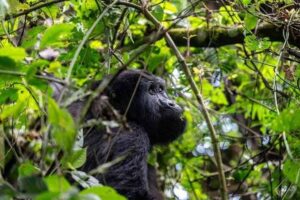
Have you ever imagined standing in an ancient African rainforest and watching a family of mountain gorillas feeding, resting, grooming, and caring for their young in the wild? Mountain gorilla trekking in Uganda offers an extraordinary opportunity to experience one of Africa’s most remarkable wildlife encounters while learning about conservation and the communities surrounding the forest.
For many travellers, a gorilla trek is more than another safari activity. It is a chance to observe endangered wildlife in its natural habitat, explore beautiful mountain forests, meet knowledgeable local guides, and support tourism that contributes to protecting a unique species.
So, why trek mountain gorillas in Uganda? The answer goes beyond seeing a silverback. From the emotional experience of observing gorilla families to the conservation value of responsible tourism, there are many reasons to include this adventure in your African holiday.
In this guide, Mambo Gorilla Safaris Uganda explains the top reasons to trek mountain gorillas, where to go, what the experience involves, and how to plan a rewarding Uganda gorilla safari.
1. Experience an Unforgettable Encounter With Mountain Gorillas
The biggest reason to trek mountain gorillas is the opportunity to observe these remarkable primates in their natural environment.
Unlike wildlife viewing from a vehicle, gorilla trekking involves travelling on foot through a forest with authorised guides and trackers. After locating your assigned habituated gorilla family, you can observe its members behaving naturally within the forest.
You may see a silverback resting among the vegetation, a mother caring for her infant, juveniles playing, or other members grooming and feeding. Each encounter is different because the gorillas are wild animals, and their behaviour cannot be predicted.
The experience often feels personal and humbling. Seeing the size, strength, intelligence, and social behaviour of mountain gorillas can create a lasting appreciation for wildlife conservation.
Why it is worth it: You are not simply looking at an animal from a distance. You are entering its habitat under carefully managed conditions and learning to appreciate its behaviour without disturbing it.
2. See One of the World’s Most Remarkable Endangered Primates
Mountain gorillas are a subspecies of the eastern gorilla and live in the montane forests of the Virunga region and the Bwindi landscape. Their natural range is restricted to this part of east-central Africa, making a visit to Uganda particularly special for wildlife enthusiasts.
Uganda protects mountain gorillas in two national parks: Bwindi Impenetrable National Park and Mgahinga Gorilla National Park.
Because their habitat is limited and they face continuing conservation challenges, protecting mountain gorillas requires sustained attention to habitat management, veterinary care, research, monitoring, and responsible tourism.
A gorilla trek introduces visitors to a species that cannot be experienced in the same way on an ordinary savannah game drive.
Why it is worth it: The encounter offers a rare opportunity to learn about mountain gorillas and understand why protecting their forest habitat matters. <Cite refs={[“turn412671search7″,”turn412671search6”]} />
3. Contribute to Gorilla Conservation Through Responsible Tourism
Conservation is one of the most important reasons to trek mountain gorillas.
Uganda’s protected areas are managed by the Uganda Wildlife Authority, which oversees wildlife protection, park management, tourism activities, and conservation initiatives. Gorilla tourism operates under rules designed to limit disturbance and manage the number of people visiting habituated gorilla families.
Tourism can contribute to conservation by generating revenue for protected-area management and creating incentives to maintain wildlife habitats. It also gives travellers an opportunity to learn about threats such as habitat pressure, disease transmission, and the importance of protecting wildlife.
However, tourism alone does not solve every conservation challenge. Effective protection also depends on responsible park management, scientific research, community participation, and continued conservation funding.
When you choose a reputable safari operator, follow the park rules, and respect the gorillas, you help support a more responsible tourism model.
Why it is worth it: Your trip becomes an opportunity to experience wildlife while contributing to an industry that can help fund its long-term protection.
4. Explore the Beautiful Forests of Bwindi and Mgahinga
Gorilla trekking is also an opportunity to explore two of Uganda’s distinctive forest landscapes.
Bwindi Impenetrable National Park
Bwindi is famous for its dense rainforest, steep hills, rich biodiversity, and mountain gorilla population. Its four main trekking sectors are Buhoma, Ruhija, Rushaga, and Nkuringo.
The forest environment is part of the adventure. Depending on your route, you may encounter towering trees, tangled vegetation, moss-covered branches, colourful forest plants, and the sounds of birds hidden in the canopy.
Mgahinga Gorilla National Park
Mgahinga lies within the Virunga volcanic landscape in southwestern Uganda. Its forested slopes and dramatic mountain scenery create a different setting for gorilla trekking.
The park is also associated with golden monkey trekking and other nature-based experiences, making it an interesting option for travellers who want to explore the wider Virunga region.
Both destinations offer rewarding wildlife experiences, but the best choice depends on permit availability, accommodation, transport, and your preferred itinerary.
Why it is worth it: A gorilla trek combines wildlife viewing with an immersive journey through some of Uganda’s most distinctive natural landscapes.
5. Learn About Gorilla Families and Their Social Behaviour
Mountain gorillas live in social groups, commonly called families or troops. A group often includes a dominant silverback, females, young gorillas, and other members, although the composition of each family can vary.
During your encounter, your ranger guide may help you understand what the gorillas are doing and explain aspects of their behaviour.
You may observe:
- A silverback resting or moving through the forest.
- Young gorillas playing and exploring.
- Mothers caring for their infants.
- Individuals grooming one another.
- Gorillas feeding on leaves, stems, shoots, and other vegetation.
- Social interactions between different members of the family.
Not every behaviour will occur during your visit, and some gorillas may be partly hidden by vegetation. Patience and careful observation are important.
Your guide helps interpret what you see while ensuring that visitors follow the rules designed to protect the animals.
Why it is worth it: You gain more than a photograph. You develop a better understanding of gorilla family life and the complexity of their natural behaviour.
6. Support Communities Around Uganda’s Gorilla Parks
Communities living around Bwindi and Mgahinga are important partners in the wider conservation landscape. Tourism can create livelihoods through guiding, porter services, accommodation, transport, food supplies, cultural activities, and the sale of local crafts.
When travellers choose locally connected services and community experiences, their spending can create opportunities beyond the national park itself.
You can consider adding a Batwa cultural experience or another community-led activity to your itinerary. These experiences may introduce you to local history, traditional knowledge, music, storytelling, and the relationship between people and the forest.
Community benefits depend on how each initiative is managed, so choose activities that involve local participants respectfully and transparently.
Why it is worth it: Your safari can help create economic opportunities for people living near the forest while introducing you to the region’s cultural heritage.
7. Enjoy a Different Kind of African Safari
Traditional African safaris often involve game drives across open savannahs to search for elephants, lions, buffaloes, antelopes, and other wildlife.
Gorilla trekking is different. It takes place on foot, with a guide leading you through a forest to locate a habituated gorilla family. The terrain can be steep and muddy, and the length of the hike varies according to the location of the gorillas.
This makes the experience more active and immersive than a conventional game drive. You become more aware of the forest environment, the changing terrain, and the sounds around you.
It also combines well with other wildlife experiences in Uganda. Depending on your travel schedule, you could include game drives in Queen Elizabeth National Park or Murchison Falls National Park, chimpanzee tracking in Kibale Forest, or a boat cruise along the Nile.
Why it is worth it: Gorilla trekking adds a unique forest-wildlife experience to a broader African safari.
8. Take Memorable Wildlife Photographs
Mountain gorillas offer wonderful opportunities for wildlife photography, although photographing them in dense forest requires patience and flexibility.
You may capture portraits of a silverback, a mother with her infant, or a young gorilla interacting with other family members. Natural light changes beneath the forest canopy, and vegetation may partly obscure your view.
For better photographs:
- Use a camera that performs well in low light if you have one.
- Check your battery and memory-card space before leaving your lodge.
- Keep flash disabled.
- Follow the required distance and your guide’s instructions.
- Avoid sudden movements or attempts to reposition yourself for a better angle.
- Spend some time enjoying the encounter without your camera.
The gorillas’ welfare comes first. Never move closer, block their path, or make noise to encourage a particular pose.
Why it is worth it: You can return with meaningful wildlife photographs while practising respectful and responsible photography.
9. Challenge Yourself and Discover the Reward of Forest Hiking
Gorilla trekking is a rewarding activity for travellers who enjoy nature and active adventures.
The hike can last several hours, depending on the location of the gorilla family, terrain, weather, and walking pace. Some routes are relatively manageable, while others involve steep slopes, thick vegetation, and slippery ground.
You do not need to be an elite athlete, but reasonable fitness and suitable footwear are important. Regular walking, hill training, and stair climbing before your trip can help prepare you.
A walking stick can provide support, and hiring a porter can help you manage your daypack and navigate difficult sections.
Tell your safari operator about mobility limitations or other concerns before booking. No operator can guarantee an easy trail or a particular trekking duration.
Why it is worth it: Reaching the gorillas after a forest hike can make the encounter feel even more rewarding, especially for travellers who enjoy outdoor challenges.
10. Create Lasting Memories With Family, Friends, or a Partner
A gorilla trekking safari can become one of the most memorable parts of a holiday. Travelling with a partner, friends, or eligible family members allows you to share the anticipation of the trek and the excitement of seeing gorillas in the wild.
The experience can also be meaningful for honeymoons, anniversaries, milestone birthdays, and special wildlife-focused journeys.
For families, remember that Uganda’s minimum age for gorilla trekking is generally 15 years under Uganda Wildlife Authority rules. Confirm current regulations before booking.
Couples and small groups may prefer to add comfortable accommodation, a cultural activity, or a scenic extension to make the trip more personal.
Why it is worth it: The encounter creates shared memories that can stay with you long after the safari ends.
Where Is the Best Place to Trek Mountain Gorillas in Uganda?
Uganda has two national parks where mountain gorilla trekking takes place. Your choice should reflect your travel dates, permit availability, preferred scenery, accommodation, and wider safari plans.
| Feature | Bwindi Impenetrable National Park | Mgahinga Gorilla National Park |
|---|---|---|
| Landscape | Dense montane rainforest | Forested volcanic slopes |
| Trekking areas | Buhoma, Ruhija, Rushaga, Nkuringo | Virunga mountain forest |
| Other interests | Birding, forest nature, community visits | Golden monkey trekking, volcanic scenery |
| Planning priority | Match permit sector to accommodation and transport | Confirm permit availability and current arrangements |
Neither park guarantees a shorter or easier trek. The location of the gorilla family and conditions on the day determine much of the experience.
How Long Does Mountain Gorilla Trekking Take?
The time required depends on how far the assigned gorilla family is from the starting point and the difficulty of the route.
According to the Uganda Wildlife Authority, a gorilla trek may last approximately two to seven hours, including the search and return journey, and the standard encounter allows one hour observing the habituated family once it is located.
For planning purposes, keep most of the day flexible. Avoid arranging a tight transfer immediately after your trek, and confirm the morning reporting time with your safari operator.
Travellers interested in a longer gorilla experience can ask about the separate Gorilla Habituation Experience in Bwindi, which operates under different permits and conditions.
What Is the Best Time to Trek Mountain Gorillas in Uganda?
Gorilla trekking is available throughout the year, subject to permit availability and park conditions.
The relatively drier periods are commonly considered convenient for hiking, but rain can occur at any time in these high-altitude forests. Trails may become muddy and slippery during wetter weather, while vegetation and forest conditions change throughout the year.
Instead of choosing dates based only on weather, consider the complete itinerary, available gorilla permits, your budget, and the conditions you are comfortable travelling in.
Book well in advance if your dates are fixed, particularly if you want a specific trekking sector or accommodation.
What Should You Pack for a Gorilla Trekking Safari?
Prepare a practical daypack for a forest hike. Useful items include:
- Sturdy hiking boots with good grip.
- Long trousers and a long-sleeved shirt.
- A lightweight waterproof jacket.
- Drinking water and food arranged according to your trek’s guidance.
- A small daypack.
- Insect repellent.
- A camera with flash disabled.
- Extra camera batteries or a power bank.
- Personal medication and any essential supplies.
- Gloves and a walking stick if useful.
- Cash for optional porter services and other planned expenses.
Dress for changing weather and protect yourself from scratches and insects. Follow your ranger’s instructions about food, rubbish, and behaviour near the gorillas.
Is Mountain Gorilla Trekking Worth the Cost?
For travellers who value rare wildlife encounters, forest landscapes, and conservation-focused tourism, gorilla trekking can be a highly rewarding safari experience.
The total cost of a trip depends on several factors, including the gorilla permit, accommodation standard, transport, number of travel days, meals, other activities, and the season.
Before booking, ask for a clear breakdown of the package and confirm whether the permit, accommodation, transfers, meals, and other activities are included. Permit fees and booking requirements can change, so verify current details with the Uganda Wildlife Authority or your safari operator rather than relying on an old price.
Gorilla trekking is not the right choice for every budget or physical ability, but careful planning helps travellers understand what they are paying for and decide whether the experience suits their priorities.
How to Plan Your Mountain Gorilla Trekking Safari With Mambo Gorilla Safaris Uganda
Planning a successful trek involves more than choosing a travel date. Your permit location, accommodation, road transfers, and other safari activities should fit together.
Mambo Gorilla Safaris Uganda can help you discuss an itinerary based on your interests, travel dates, budget, and preferred accommodation.
Explore these Uganda safari options:
- 3-day gorilla trekking safari in Bwindi for a focused gorilla experience.
- 10-day wildlife and primate trekking safari in Uganda for a longer journey combining primates and wildlife.
- 4-day Bwindi gorillas and Lake Mburo safari for a combination of gorilla trekking and savannah wildlife.
- 8-day luxury Uganda wildlife and gorilla safari for travellers considering a more extensive safari.
These links are starting points; confirm the current itinerary, permit availability, accommodation, and inclusions before making a booking.
When planning, make sure you:
- Select your preferred travel dates.
- Confirm gorilla permit availability before finalising non-refundable arrangements.
- Choose the trekking park or sector that suits your route.
- Reserve accommodation with practical access to the correct trekking location.
- Arrange reliable transport and allow sufficient travel time.
- Prepare for the forest hike and review gorilla trekking rules.
- Consider adding a cultural visit, wildlife safari, or chimpanzee tracking if your schedule permits.
Frequently Asked Questions About Why Trek Mountain Gorillas
Why should I trek mountain gorillas in Uganda?
Uganda offers the chance to observe mountain gorillas in their natural forest habitat, explore distinctive rainforest landscapes, learn about gorilla conservation, and support tourism-related livelihoods. The experience is particularly rewarding for travellers interested in wildlife, nature, and responsible travel.
Where can I see mountain gorillas in Uganda?
Mountain gorilla trekking takes place in Bwindi Impenetrable National Park and Mgahinga Gorilla National Park in southwestern Uganda.
How much time do I spend with the gorillas?
A standard gorilla trekking permit allows one hour observing the habituated gorilla family after it is located, subject to ranger instructions and park rules.
Is gorilla trekking physically difficult?
The trek requires reasonable fitness. Some routes are steep, muddy, or uneven, and the duration varies according to the gorillas’ location. Preparation, suitable boots, and porter assistance can help, but no particular level of difficulty is guaranteed.
Does gorilla trekking help conservation?
Responsible gorilla tourism can generate revenue for protected-area management and create incentives for habitat protection. It can also support local livelihoods. Conservation outcomes depend on effective management, community participation, and other ongoing protection efforts.
Can I combine gorilla trekking with other safari activities?
Yes. Travellers often combine gorilla trekking with chimpanzee tracking, savannah game drives, boat cruises, birdwatching, and community cultural experiences. The best combination depends on your available time and transport route.
When should I book a gorilla trekking permit?
Book as early as possible, especially if you have fixed travel dates or prefer a particular sector. Confirm availability and the current booking process before paying for other non-refundable travel arrangements.
Is gorilla trekking suitable for children?
Uganda’s minimum age for gorilla trekking is generally 15 years. Confirm the latest requirements with the Uganda Wildlife Authority before arranging a family trip.
Conclusion: Why Trek Mountain Gorillas?
Mountain gorilla trekking brings together wildlife, rainforest adventure, conservation, and cultural discovery in a way few other safari activities can match. Observing a gorilla family in the forest offers a rare opportunity to appreciate these intelligent primates while learning why their habitats and future matter.
Whether you choose Bwindi Impenetrable National Park or Mgahinga Gorilla National Park, preparation and responsible behaviour are essential to a rewarding experience.
Ready to plan your gorilla trekking adventure in Uganda? Contact Mambo Gorilla Safaris Uganda to discuss permits, accommodation, transport, and an itinerary tailored to your safari goals.
Visit Mambo Gorilla Safaris Uganda to start planning your journey into Uganda’s mountain gorilla country.


