Email: info@mambogorillasafarisuganda.com | Call: +256772666331

Batwa Cultural Experience in Bwindi: Discover Uganda’s Indigenous Forest Heritage

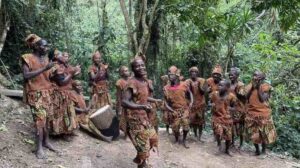
The Batwa Cultural Experience in Bwindi is one of the most meaningful cultural activities to add to a Uganda safari. Beyond the unforgettable mountain gorilla encounters, this experience gives travellers an opportunity to learn about the Batwa people, their historical relationship with the forest, their traditional knowledge, and the challenges they have faced since losing access to their ancestral forest home.
Located in communities around Bwindi Impenetrable National Park in southwestern Uganda, Batwa cultural visits are led or supported by Batwa community members who share their stories, skills, music, and heritage with visitors. Depending on the specific experience, you may take a guided forest walk, learn about traditional food gathering and medicinal plants, see demonstrations of traditional skills, listen to storytelling, and enjoy cultural music and dance.
For travellers planning a gorilla trekking holiday with Mambo Gorilla Safaris Uganda, a Batwa cultural visit offers a valuable opportunity to understand the human history connected to the landscapes surrounding Bwindi.
Who Are the Batwa People of Bwindi?
The Batwa are an Indigenous people of the Great Lakes region of Central Africa. Historically, Batwa communities in southwestern Uganda lived in and around forest environments, including the forests now protected as Bwindi Impenetrable National Park and Mgahinga Gorilla National Park.
Their traditional knowledge included hunting small game, gathering wild plants and fruits, identifying useful forest resources, and using medicinal plants. Their culture, oral traditions, music, and community relationships developed through a close connection with the forest.
When Bwindi and other forest areas were established as protected national parks in the early 1990s, Batwa communities lost access to ancestral forest areas on which many aspects of their livelihoods and cultural practices had depended. The transition brought significant social and economic challenges, and many Batwa continue to face marginalisation.
Today, Batwa communities live in settlements around the region. Cultural tourism initiatives provide opportunities for Batwa guides and performers to share their heritage, earn income, and help younger generations maintain knowledge of their history.
Understanding this background makes the Batwa Cultural Experience more than a sightseeing activity. It becomes an opportunity to listen, learn, and appreciate the relationship between Indigenous heritage, community livelihoods, and conservation.
What Is the Batwa Cultural Experience in Bwindi?
The Batwa Cultural Experience is a community-based cultural visit that introduces travellers to aspects of Batwa history and traditional forest knowledge.
Rather than simply watching a performance, visitors may learn directly from Batwa guides and community members through storytelling, demonstrations, walking experiences, and conversations. The activities vary by location and organising community, so not every visit includes the same programme.
Some experiences take place on forested land adjacent to Bwindi, while other community walks focus on settlements and local cultural initiatives.
The experience can complement gorilla trekking by showing visitors another important dimension of the Bwindi landscape: the people whose history is closely connected to the forest.
What to Expect During a Batwa Cultural Tour
1. A Guided Introduction to Batwa History
Many visits begin with an introduction from a Batwa guide or community representative. You can learn about the community’s historical relationship with the forest, its traditional livelihoods, and the changes that followed the establishment of protected areas.
This introduction provides context for the activities that follow. It also gives visitors an opportunity to ask respectful questions and hear the community’s perspectives directly.
The Batwa are not simply part of Uganda’s past. They are living communities with contemporary experiences, aspirations, and cultural identities.
2. A Walk Through a Forest Environment
Depending on the location and tour selected, you may take a guided walk through a forested area or along a community trail.
Your guide may explain how the Batwa historically identified edible plants, gathered forest resources, tracked small animals, and understood the natural environment. You may also learn about the importance of particular trees, plants, and habitats in traditional knowledge.
The walk is an opportunity to appreciate the forest from a cultural perspective, rather than focusing exclusively on wildlife photography.
Practical tip: Wear comfortable walking shoes, bring drinking water, and carry a light rain jacket. Some routes involve uneven ground or steep sections, so confirm the difficulty and duration before booking.
3. Traditional Hunting and Forest Skills Demonstrations
Some Batwa cultural programmes demonstrate traditional skills associated with life in the forest. Depending on the experience, these may include explanations of hunting techniques, the use of bows and arrows, gathering practices, or other historical survival skills.
The purpose is to help visitors understand how the community made use of forest resources and developed specialised knowledge of its environment.
Any hands-on activities should be undertaken only with the guide’s permission and according to the community’s rules. Treat demonstrations as an educational experience, not as entertainment that requires people to perform beyond their comfort or wishes.
4. Traditional Medicine and Knowledge of Plants
Batwa forest knowledge includes the traditional uses of certain plants. During some cultural visits, guides or knowledgeable community members explain how plants were historically used for everyday needs and traditional remedies.
These conversations offer insight into the relationship between local knowledge and biodiversity.
Traditional knowledge should be respected as cultural heritage, but it should not be confused with medical advice. Visitors should not collect plants, remove forest materials, or attempt remedies without permission and appropriate professional guidance.
5. Traditional Homes and Daily Life
Depending on the programme, visitors may learn about historical Batwa shelters and aspects of daily life in the forest.
Guides may explain how natural materials were used to make temporary shelters and how people organised daily activities around food gathering, family life, and the availability of forest resources.
Some experiences include visits to community homes or demonstrations of traditional domestic practices. These activities depend on the host community and should always respect residents’ privacy and consent.
6. Batwa Music, Dance, and Storytelling
Traditional music and dance can be an important part of the cultural experience. Songs, rhythms, movement, and oral storytelling provide ways to share community history, social values, and cultural identity.
Visitors may be invited to watch or participate, depending on the programme and the wishes of the performers.
Approach these moments with appreciation and respect. Ask before taking photographs or recording videos, especially when individuals or children are involved.
7. Local Crafts and Community Interaction
Some community visits include opportunities to see handmade crafts or purchase locally produced items.
Buying directly from community artisans, where available, can provide additional income and help maintain traditional skills. Ask about the meaning or process behind an item rather than treating it simply as a souvenir.
You may also have time to speak with community members about present-day life, education, livelihoods, and the future of Batwa cultural heritage.
Where Can You Experience Batwa Culture Near Bwindi?
Several community-based initiatives operate around the wider Bwindi and southwestern Uganda region. The most suitable option depends on your gorilla trekking sector, available time, and the specific experience you want to arrange.
Batwa Experience Near Buhoma
Buhoma is a well-known northern entry sector for Bwindi gorilla trekking. Cultural visits in the surrounding area can provide an opportunity to learn about Batwa heritage alongside other community activities.
Depending on the programme, visitors may experience storytelling, traditional music and dance, forest-related demonstrations, and interaction with local residents.
Buhoma is a practical option for travellers whose gorilla trekking permit and accommodation are based in the northern part of Bwindi.
Nyabaremura Batwa Experience Near Rushaga
The Nyabaremura Batwa Experience is a community initiative associated with the Rushaga area of Bwindi. It offers a guided opportunity to learn about Batwa history and traditions from community members.
This option may suit travellers staying in the southern part of Bwindi, although transport, walking time, and the exact meeting point should be confirmed before booking.
Batwa Trail in Mgahinga Gorilla National Park
The Batwa Trail is a separate cultural experience associated with Mgahinga Gorilla National Park, near Kisoro in southwestern Uganda. It explores Batwa heritage and historical forest knowledge in the Virunga landscape.
Although it shares themes with Batwa cultural visits around Bwindi, it is not the same activity as every Batwa experience offered near Bwindi. Travellers should confirm which location and programme their itinerary includes.
For a visit connected to Bwindi, ask your safari operator to confirm the community, route, duration, transport arrangements, and activities included.
Why Include a Batwa Cultural Experience in Your Uganda Safari?
Learn Beyond Wildlife Viewing
Mountain gorillas are a major reason travellers visit Bwindi, but the region also has a rich human history. A Batwa cultural visit helps you understand the connections between local communities, forest resources, conservation, and changing livelihoods.
Support Community-Based Tourism
When a cultural experience is organised in partnership with the community, visitor payments can create income opportunities for local guides, performers, artisans, and participating households.
The actual benefits depend on the initiative’s management and how revenue is distributed. Ask your tour operator how the activity is organised and how community participation is supported.
Help Keep Cultural Knowledge Alive
Storytelling, music, traditional skills, and guided interpretation can provide ways for community members to share knowledge with younger generations and visitors.
Responsible cultural tourism can help create opportunities for that knowledge to remain valued, while recognising that communities have the right to decide what they wish to share.
Experience a More Complete Uganda Holiday
A Batwa cultural visit adds variety to a safari focused on gorillas, wildlife, and scenery. It can be especially rewarding for travellers interested in cultural heritage, responsible tourism, photography, and meaningful interactions with local communities.
How to Combine the Batwa Cultural Experience With Gorilla Trekking
The Batwa Cultural Experience can often be included in an itinerary that features mountain gorilla trekking in Bwindi. The best arrangement depends on the location of your permit, your accommodation, and the duration of the cultural visit.
Here is an illustrative three-day plan.
Day 1: Travel to Bwindi Impenetrable National Park
Travel to the relevant Bwindi sector, check in to your lodge, and prepare for the following day’s gorilla trek. Depending on your arrival time and location, you may be able to arrange a short community activity, but avoid overloading the day after a long transfer.
Day 2: Gorilla Trekking in Bwindi
Attend the morning briefing, hike through the forest with authorised guides and trackers, and observe your assigned gorilla family according to park rules. Return to your lodge to rest. A cultural visit may be possible later if the timing and tour arrangements allow, but it is often more comfortable to schedule it on another day.
Day 3: Batwa Cultural Experience and Departure
Enjoy a prearranged Batwa cultural visit, learn about the community’s forest heritage, and interact respectfully with participating community members. After the experience, continue your journey or connect to another destination in your Uganda itinerary.
This itinerary is only a planning example. The actual schedule should be adjusted to the selected cultural programme, transfer distances, accommodation, and gorilla permit arrangements.
If you have more time, you could combine Bwindi with other Ugandan wildlife and primate destinations.
Explore these options from Mambo Gorilla Safaris Uganda:
- 3-day gorilla trekking safari in Bwindi
- 10-day wildlife and primate trekking safari in Uganda
- 4-day Bwindi gorillas and Lake Mburo safari
Confirm the current itinerary and inclusions with the operator before booking; a cultural visit should not be assumed to be included in every package.
What Should You Pack for the Batwa Cultural Experience?
The packing list depends on whether your visit involves a short village walk or a longer forest hike.
Consider bringing:
- Comfortable walking shoes or hiking boots.
- Lightweight, weather-appropriate clothing.
- A waterproof jacket, particularly during rainy periods.
- Drinking water and any necessary personal medication.
- Insect repellent.
- A camera or phone, used with permission when photographing people.
- Some local currency for optional purchases or tips, where appropriate.
If you are combining the experience with gorilla trekking, you may need additional hiking equipment for the more demanding forest trek.
Ask your guide about the route, walking time, meal arrangements, and any items you should bring.
Best Time to Visit Bwindi for a Batwa Cultural Tour
Batwa cultural experiences can be arranged at different times of the year, subject to the availability of the community initiative and local conditions.
Bwindi has a tropical montane climate, and rain can occur throughout the year. Wetter conditions may make some trails muddy or slippery, while drier periods can be more convenient for walking. Weather varies, so there is no guarantee of dry conditions during any particular month.
If you are planning a combined gorilla and cultural safari, choose your dates around permit availability and the overall itinerary. Confirm the cultural tour’s schedule and accessibility with the organiser.
Responsible Tourism: How to Visit the Batwa Respectfully
A meaningful cultural experience begins with respect. Visitors should approach the Batwa as people sharing their history and culture, not as exhibits.
Follow these responsible travel practices:
- Listen to community members. Allow your guide and hosts to tell their stories in their own way.
- Ask before taking photographs. Obtain consent before photographing individuals, homes, performances, or children.
- Respect privacy. Do not enter homes or handle belongings without permission.
- Purchase crafts fairly. If local crafts are available, consider buying directly from the makers.
- Follow the guide’s instructions. Respect boundaries around cultural sites, forest areas, and demonstrations.
- Avoid stereotypes. Recognise the Batwa as diverse, contemporary communities with individual experiences and ambitions.
- Choose community-partnered experiences. Ask how local people participate and benefit from the activity.
- Leave no rubbish behind. Protect the environment and respect the community’s surroundings.
Responsible tourism should create an opportunity for mutual learning while respecting the rights, dignity, and choices of the people hosting the visit.
Frequently Asked Questions About the Batwa Cultural Experience in Bwindi
What is the Batwa Cultural Experience in Bwindi?
It is a community-based cultural visit where travellers learn about Batwa history, forest traditions, traditional knowledge, storytelling, and music from participating community members. Activities vary by location and programme.
How long does the Batwa Cultural Experience take?
The duration depends on the specific initiative. Some visits are shorter community walks, while others involve longer forest hikes and demonstrations. Confirm the expected duration before booking, especially if you are combining it with gorilla trekking.
Where is the Batwa Cultural Experience located?
Batwa cultural initiatives operate in communities around Bwindi Impenetrable National Park, including areas associated with Buhoma and Rushaga. The Batwa Trail in Mgahinga is a separate experience in the nearby Virunga region.
Can I combine the Batwa Cultural Experience with gorilla trekking?
Yes. Many visitors combine a Batwa cultural visit with a Bwindi gorilla trekking safari. Depending on your itinerary, the cultural activity may be scheduled on the afternoon of a trekking day or on a separate day.
Is the Batwa Cultural Experience suitable for children?
Some programmes may be suitable for families, but walking distances, terrain, age considerations, and the nature of the activities vary. Ask the organiser to recommend an appropriate option for your children’s ages and needs.
Do I need a gorilla permit to visit the Batwa community?
A gorilla trekking permit is not the same as a Batwa cultural tour booking. The requirements depend on the specific cultural initiative and location. Confirm the arrangements with the community organiser or your safari operator; do not assume that a gorilla permit automatically includes the cultural experience.
Does the Batwa Cultural Experience support the local community?
Community-led cultural tourism can provide income and opportunities for guides, performers, artisans, and participating households. The extent of the benefit depends on the initiative’s arrangements, so travellers should ask how the experience is managed and how payments support the community.
What is the difference between the Batwa Cultural Experience in Bwindi and the Batwa Trail in Mgahinga?
Both offer opportunities to learn about Batwa heritage, but they take place in different locations and can have different routes, guides, and activities. Specify whether you want a community visit near Bwindi or the Batwa Trail associated with Mgahinga when planning your trip.
Book a Uganda Cultural and Gorilla Trekking Safari With Mambo Gorilla Safaris Uganda
The Batwa Cultural Experience in Bwindi adds depth to a Uganda holiday by connecting visitors with the history, knowledge, and cultural heritage of communities whose lives have long been connected to the forest.
Whether you are planning a gorilla trekking holiday, a wildlife safari, or a longer cultural journey through southwestern Uganda, including a Batwa-led or community-partnered experience can help you understand the region beyond its famous wildlife.
Plan your Bwindi adventure with Mambo Gorilla Safaris Uganda. Discuss your travel dates, gorilla permit arrangements, accommodation, transport, and preferred Batwa cultural experience so your itinerary matches your interests and available time.
Visit Mambo Gorilla Safaris Uganda to start planning your safari.
Travel thoughtfully, listen to local voices, and experience Bwindi through both its remarkable wildlife and its living cultural heritage.


