Email: info@mambogorillasafarisuganda.com | Call: +256772666331

What to Expect on Gorilla Trekking Day in Uganda: A Complete Guide

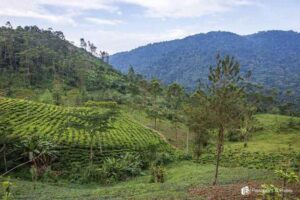
Gorilla trekking day in Uganda is often the highlight of an African safari. Imagine walking through a mist-covered rainforest, listening to birds calling in the canopy, and eventually coming face to face with a family of endangered mountain gorillas in their natural habitat. It is an extraordinary wildlife experience, but knowing what to expect helps you prepare and enjoy every moment.
If you are planning a gorilla trekking safari with Mambo Gorilla Safaris Uganda, this guide explains what happens on the day of your trek, from the early morning start and ranger briefing to the forest hike, your time with the gorillas, and the return to your lodge.
You will also learn what to wear, what to pack, how physically demanding the trek can be, and which rules you must follow to protect yourself and the gorillas.
Where Does Gorilla Trekking Take Place in Uganda?
Gorilla trekking in Uganda takes place in two protected areas:
- Bwindi Impenetrable National Park: Famous for its dense montane rainforest and four main trekking sectors: Buhoma, Ruhija, Rushaga, and Nkuringo.
- Mgahinga Gorilla National Park: Located in the Virunga Mountains, this park offers a different setting, with volcanic landscapes, forested slopes, and mountain gorilla trekking.
Both parks provide opportunities to observe habituated mountain gorilla families accompanied by authorised guides and trackers. The terrain, elevation, and location of the gorilla family influence how challenging the trek will be. The Uganda Wildlife Authority notes that a trek can last approximately two to seven hours, including the search for the gorillas, with one hour allocated for observing the family once it is found.
What Happens on Gorilla Trekking Day in Uganda?
1. Wake Up Early and Prepare for the Trek
Your gorilla trekking day usually begins early in the morning. Depending on your lodge’s location and the instructions for your trekking sector, you may need to wake up before sunrise.
Start with breakfast and make sure you have everything you need. Wear comfortable hiking clothes, sturdy walking boots, and a waterproof jacket. Pack drinking water, snacks if permitted by your operator and park guidance, a camera with flash disabled, and any personal medication you may need.
Keep your passport and gorilla permit details ready for verification. Your lodge or safari operator should confirm the reporting time, meeting point, breakfast arrangements, and transport the evening before.
Tip: Staying close to your assigned trekking sector the night before helps avoid a stressful early-morning drive and reduces the risk of arriving late.
2. Arrive at the Park Headquarters for Registration and Briefing
After breakfast, you travel to the designated meeting point for your trekking sector. Park staff verify your documents and provide a briefing before the trek begins.
During the briefing, the ranger guide explains the gorilla trekking rules, safety procedures, conservation measures, and expected behaviour in the forest. Visitors are allocated to trekking groups and assigned to a habituated gorilla family according to the park’s arrangements.
This is the time to explain any relevant mobility concerns, fitness limitations, or health issues to the guide. Ask questions if you are unsure about the terrain or what to do during the encounter.
The briefing is an essential part of the experience, not just an administrative step. Following the instructions helps protect visitors and reduces disturbance to the gorillas.
3. Begin the Hike Through the Rainforest
Once the briefing is complete, your ranger guide leads your group into the forest.
The trek is a genuine rainforest hike rather than a walk along a smooth, paved trail. Depending on the route and weather, you may encounter:
- Steep hills and uneven ground.
- Muddy or slippery trails, especially after rain.
- Thick vegetation, roots, and fallen branches.
- Changes in elevation and temperature.
- Rest stops to catch your breath and drink water.
The duration varies from one trek to another because mountain gorillas move freely through the forest in search of food and suitable resting places. Some visitors find their assigned family relatively quickly, while others spend several hours hiking.
Your guide and the tracking team use information about the gorillas’ movements to help locate the family. Along the way, you may also hear forest birds, see interesting plants, and learn about the ecosystem.
Do not judge the whole experience by how quickly you reach the gorillas. The rainforest journey is part of the adventure.
4. Follow Your Guide and Take Breaks When Necessary
Your guide manages the pace and helps your group navigate the terrain safely. Walk steadily rather than rushing, and tell the guide if you need a short rest.
A walking stick can provide additional support on steep or muddy ground. Hiring a local porter can also make the hike easier: porters can carry your daypack and offer practical assistance on difficult sections, while the service provides income to people living around the park.
Choose footwear with good grip, and take care when stepping over roots or moving downhill. If you are concerned about your fitness, discuss this with your safari operator before the trek so your plans and expectations are realistic.
Remember that no operator can guarantee a particular trekking duration or completely easy terrain.
5. Experience the Moment You Find the Mountain Gorillas
After the forest hike, your guide will lead you towards the assigned gorilla family. As you approach, the ranger will explain how to behave and where to stand.
Your first sighting may be of a silverback resting in the vegetation, a mother caring for her infant, or a young gorilla moving playfully through the undergrowth. The family may be spread out, feeding, resting, or interacting with one another.
Each encounter is different because these are wild animals behaving naturally. You cannot guarantee a specific pose, dramatic interaction, or perfect photographic opportunity.
Listen carefully to your guide, remain calm, and avoid crowding the animals. Keep your camera ready, but remember to put it down occasionally and experience the encounter without looking through a screen.
6. Spend One Hour Observing the Gorilla Family
For a standard gorilla trekking permit, visitors are allowed one hour with the gorillas once the family has been located, subject to the ranger’s instructions and applicable park rules.
During this time, you may observe the silverback’s behaviour, young gorillas playing, mothers caring for their offspring, or members of the family feeding on vegetation. Your guide may explain the family structure and point out interesting behaviour.
To make the most of the hour:
- Keep your voice low and follow all ranger instructions.
- Do not use flash photography.
- Maintain the distance specified by the rangers and current park guidance.
- Do not eat, drink, smoke, or litter while with the gorillas.
- Avoid sudden movements and never try to touch or attract a gorilla.
- If you need to cough or sneeze, cover your mouth and nose and turn away from the animals.
- Put your camera down at intervals so you can observe the family directly.
Gorillas are vulnerable to some human respiratory infections. If you are unwell, particularly with symptoms of a cold or another contagious illness, contact your safari operator before attending the trek and follow the park authority’s advice.
The encounter is carefully managed to protect the gorillas, visitors, and the future of responsible gorilla tourism.
7. Return Through the Forest
When the observation period ends, your guide signals that it is time to leave the gorillas. Your group then walks back towards the trailhead or designated meeting point.
The return journey can still involve steep slopes, mud, and uneven terrain. Take your time, drink water when appropriate, and follow the guide’s directions.
The total time spent in the forest depends on the route and the location of the gorilla family. It is sensible to keep the rest of your schedule flexible rather than arranging a tight transfer or another demanding activity immediately after the trek.
8. Return to Your Lodge and Relax
After completing the trek, you will usually return to your lodge for lunch or a late meal, depending on the day’s timing and the arrangements made in advance.
Many travellers feel tired but excited after their encounter. You may want to rest, organise your photographs, enjoy the views around your lodge, or talk about the experience with fellow travellers.
Some trekking arrangements provide a certificate to recognise completion of the activity; confirm the procedure with your guide or park staff.
If your itinerary allows, you can use the afternoon to enjoy a community visit or another nearby activity. However, after a long trek, relaxing at the lodge may be the most enjoyable option.
What Should You Wear on Gorilla Trekking Day?
The right clothing helps protect you from wet vegetation, mud, insects, and changing temperatures.
Consider packing:
- Long-sleeved shirt: Helps protect your arms from scratches and insects.
- Long, comfortable hiking trousers: Choose durable clothing that allows you to move freely.
- Waterproof hiking boots: Good ankle support and strong grip are useful on uneven terrain.
- Long socks or gaiters: These can help protect your lower legs from vegetation and keep insects out of your clothing.
- Lightweight rain jacket: Rain can occur even when the morning begins clear.
- Gardening or trekking gloves: Useful for gripping vegetation where permitted and protecting your hands from rough plants.
- Hat: Helpful during exposed sections of the trail.
- Warm layer: Early mornings and higher elevations can feel cool.
Choose practical clothing in neutral, earthy colours. Comfort, protection, and suitability for the weather matter more than dressing for photographs.
What Should You Pack for a Gorilla Trek?
Use this checklist the evening before your trek.
- Passport and confirmed permit details.
- Sturdy hiking boots.
- Waterproof jacket and a small daypack.
- Drinking water.
- Packed lunch or snacks if arranged and permitted.
- Camera or phone with flash disabled.
- Fully charged batteries or a power bank.
- Insect repellent and sunscreen.
- Personal medication and any essential supplies.
- Walking stick, if useful or available.
- Small amount of cash for optional porter services and tips.
Avoid overpacking. A lighter daypack is more comfortable on steep forest trails.
How Difficult Is Gorilla Trekking in Uganda?
Gorilla trekking requires a reasonable level of fitness because you may spend several hours walking on uneven ground. Some routes are steep, and the weather can make the terrain more challenging.
The difficulty depends on several factors, including:
- The location of the gorilla family on that day.
- The trekking sector and elevation.
- Rainfall and trail conditions.
- Your walking pace and general fitness.
- The amount of time spent climbing or descending.
You do not need to be an elite athlete, but regular walking and stair climbing before your trip can help. If you have mobility concerns, discuss them before booking. A porter can provide assistance with carrying your bag, but should not be treated as a guarantee that every route will be manageable.
When planning with Mambo Gorilla Safaris Uganda, share your needs and preferences early so the team can discuss suitable options and realistic expectations.
What Rules Must You Follow When You Meet the Gorillas?
Gorilla trekking operates under conservation rules designed to minimise stress and disease risks to the animals.
Important rules include:
- Follow your ranger guide’s instructions at all times.
- Keep the required distance from the gorillas as directed by park staff.
- Do not touch, feed, chase, or deliberately attract the gorillas.
- Do not use flash photography.
- Keep noise low and avoid sudden movements.
- Do not leave rubbish in the forest.
- Do not enter the trek if you have a contagious illness; inform your operator and follow official advice.
- Respect the one-hour limit for a standard gorilla trekking encounter.
Uganda Wildlife Authority guidance also sets a minimum age of 15 for gorilla trekking and limits the number of visitors allocated to a habituated gorilla family. Confirm the current requirements with the relevant authority or your safari operator before travel, as regulations can be updated.
Is Gorilla Trekking Better in Bwindi or Mgahinga?
Both parks offer memorable mountain gorilla encounters, but the setting and logistics differ.
Bwindi Impenetrable National Park
Bwindi is known for its dense forest and has four principal trekking sectors: Buhoma, Ruhija, Rushaga, and Nkuringo. The best sector for you depends on permit availability, accommodation, your wider itinerary, and your preferences.
Mgahinga Gorilla National Park
Mgahinga lies in the Virunga volcanic landscape and provides an alternative to Bwindi’s forest environment. Its scenery includes forested slopes and volcanic mountains.
Neither park guarantees an easier trek. The walking conditions and distance to the gorilla family vary, so choose your destination based on logistics and personal needs rather than assuming one park will always be less demanding.
How to Make Your Gorilla Trekking Day More Enjoyable
A little preparation can make the experience smoother.
Stay near your trekking sector. Avoid a long transfer on the morning of your trek whenever possible.
Prepare the night before. Pack your daybag, charge your camera, arrange breakfast, and confirm your departure time.
Be realistic about the duration. The search may take several hours. Do not schedule an inflexible activity immediately afterwards.
Hire a porter if helpful. Porters can carry your bag and provide support on the trail while contributing to local livelihoods.
Respect the wildlife. Follow the ranger’s instructions rather than trying to move closer for a photograph.
Keep an open mind. Weather, vegetation, and gorilla movements are unpredictable. Patience is part of the experience.
Plan your safari around the trek. Choose accommodation and transport that match your permit location and allow enough time to arrive and recover.
Can You Combine Gorilla Trekking With Other Uganda Safari Activities?
Yes. Many visitors combine gorilla trekking with wildlife viewing, chimpanzee tracking, scenic drives, or cultural experiences, depending on the length of their holiday.
For example, you could explore:
- A 3-day gorilla trekking safari in Bwindi for a focused gorilla experience.
- A 10-day wildlife and primate trekking safari in Uganda for a longer itinerary combining wildlife and primates.
- A 4-day Bwindi gorilla and Lake Mburo safari for a combination of gorilla trekking and a savannah wildlife destination.
- A 3-day Murchison Falls safari if you would like to explore another of Uganda’s celebrated national parks.
These are starting points for planning. Confirm current availability, travel times, accommodation, permits, and package inclusions with Mambo Gorilla Safaris Uganda before booking.
Frequently Asked Questions About Gorilla Trekking Day
What time does gorilla trekking start in Uganda?
Gorilla trekking usually begins with an early-morning report, registration, and briefing at the designated park meeting point. The exact reporting time depends on the trekking sector and official instructions, so confirm it before your travel date.
How long does a gorilla trekking day take?
The time varies. The trek to find the gorillas and return journey may take several hours, and the standard encounter provides one hour with the gorilla family once it is found. Allow most of the day to remain flexible.
How long can I stay with mountain gorillas?
A standard gorilla trekking permit allows one hour with the habituated gorilla family after it is located. A separate Gorilla Habituation Experience may offer a longer period under different conditions and permit arrangements.
Is gorilla trekking difficult for beginners?
It can be physically demanding, particularly on steep or muddy trails, but many visitors with reasonable fitness complete it successfully. Prepare with regular walking, use appropriate footwear, and discuss any limitations with your operator before booking.
What happens if it rains during the trek?
Trekking may take place in wet conditions, depending on park instructions and safety considerations. Trails can become muddy and slippery, so bring waterproof clothing and boots with good grip. Follow your ranger’s guidance if conditions change.
Can I take photos of the gorillas?
Photography is generally permitted, but flash photography is not allowed. Follow your guide’s instructions, keep the required distance, and avoid movements that disturb the animals.
What happens if I become tired during the trek?
Tell your guide when you need a rest. The pace and route depend on the group and conditions. A porter may help by carrying your bag, but you should discuss fitness or mobility concerns before the trek and understand that some routes can be strenuous.
Can children go gorilla trekking in Uganda?
The minimum age for gorilla trekking in Uganda is 15 years under Uganda Wildlife Authority rules. Confirm the current policy when planning a family safari.
Do I need to book a gorilla permit in advance?
Advance planning is strongly recommended because permits are limited and availability depends on your travel dates and trekking location. Confirm permit availability and the booking process with your operator before making non-refundable travel arrangements.
Plan Your Gorilla Trekking Safari With Mambo Gorilla Safaris Uganda
Gorilla trekking day is more than the hour spent with mountain gorillas. It includes the anticipation of an early start, the challenge of walking through a living rainforest, the guidance of experienced rangers, and the unforgettable opportunity to observe one of the world’s most remarkable primates in the wild.
With suitable preparation, practical clothing, realistic expectations, and respect for conservation rules, you can approach the day with confidence.
Ready to plan your Uganda gorilla trekking safari? Contact Mambo Gorilla Safaris Uganda to discuss your preferred travel dates, permit availability, accommodation, transport, and a safari itinerary suited to your interests.
Visit Mambo Gorilla Safaris Uganda to begin planning your adventure.
Travel responsibly, follow your ranger’s instructions, and let the forest experience unfold at its own pace.


