Email: info@mambogorillasafarisuganda.com | Call: +256772666331

Kenya Safari During Rainy Season: What to Expect

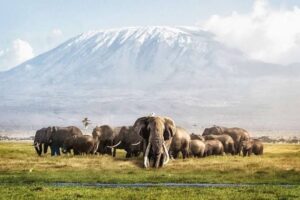
Planning a Kenya safari during the rainy season can be a rewarding way to experience Africa’s wildlife, green landscapes, and remarkable birdlife. Although many travelers prefer the drier months, the rainy season has its own attractions, including fresh vegetation, dramatic skies, fewer visitors at some destinations, and excellent photography opportunities.
Kenya is home to world-famous safari destinations such as the Maasai Mara National Reserve, Amboseli National Park, Lake Nakuru National Park, Samburu National Reserve, and Tsavo National Parks. Each destination has different landscapes, wildlife habitats, and local weather patterns, so the rainy season does not affect every safari in the same way.
Rain can also bring practical challenges. Some roads become muddy, wildlife may be harder to spot in taller grass, and outdoor activities can be affected by heavy showers. Choosing the right destination, vehicle, accommodation, and itinerary is therefore important.
At Mambo Gorilla Safaris Uganda, we help travelers explore East African safari options and plan trips around their interests, travel dates, and budget. This guide explains what to expect on a Kenya safari during the rainy season and how to prepare for a comfortable, memorable journey.
When Is the Rainy Season in Kenya?
Kenya generally experiences two main rainy seasons, although the exact timing and intensity vary across the country.
Long rains: March to May
The long rains commonly occur between March and May, sometimes extending into June in some areas. This period can bring substantial rainfall, green landscapes, and muddy conditions on some safari roads.
The impact depends on the destination. Rainfall patterns in the central highlands and western parts of Kenya can differ from conditions along the coast or in the drier northern and eastern regions.
Short rains: October to December
The short rains generally occur between October and December. They may arrive as scattered showers or more sustained periods of rain, depending on the region and year.
The short-rains season can create attractive scenery and good birdwatching opportunities. However, travelers should still prepare for changing road conditions and occasional disruptions.
Important: These are general seasonal patterns, not a guarantee of the weather on your travel dates. Check the latest forecast for your specific destinations before departure.
What Is a Kenya Safari Like During the Rainy Season?
A rainy-season safari can feel very different from a dry-season trip. The landscape becomes greener, the air may feel fresher after showers, and cloud formations can create beautiful photographic backgrounds.
However, you should expect some changes to the safari experience.
1. Green landscapes and beautiful scenery
Rain encourages vegetation to grow, transforming dry or dusty areas into greener landscapes. Grasslands, woodland, and hills can become particularly attractive to photographers.
The contrast between green vegetation, wildlife, and dark rain clouds can create memorable images. Some travelers prefer this lush scenery to the more golden colours associated with the dry season.
The trade-off is that thicker vegetation may make animals more difficult to spot in some areas.
2. Wildlife viewing can still be rewarding
Kenya offers wildlife viewing throughout the year, but sightings vary with habitat, weather, animal movements, and the experience of your guide.
Elephants, giraffes, buffaloes, zebras, antelopes, lions, and other animals may still be seen during the rainy season. Nevertheless, tall grass and dense vegetation can make some animals harder to locate.
Rain may also affect the timing of game drives. Your guide might adjust the route or wait for conditions to improve, depending on local circumstances.
A responsible safari planner will explain that wildlife sightings cannot be guaranteed in any season.
3. Some roads may become muddy
Road conditions are among the most important considerations when planning a Kenya safari during the rainy season.
Unpaved roads can become slippery, muddy, or difficult to navigate after heavy rainfall. Travel times may increase, and some routes may become temporarily inaccessible.
Kenya Wildlife Service advises that four-wheel-drive vehicles may be necessary on many park roads during the long rains.
For this reason, choose an experienced safari operator with a suitable vehicle and a flexible itinerary. Avoid scheduling activities so tightly that a road delay would cause you to miss an important connection.
4. You may encounter fewer visitors at some destinations
Some travelers prefer the drier months, so particular parks and lodges may be quieter during certain rainy-season periods.
This can create a more relaxed atmosphere at some destinations and potentially greater accommodation choice. However, visitor numbers vary by park, holiday period, lodge, and specific dates.
Do not assume every lodge is cheaper or every park is quiet. Compare actual quotations and availability before making a decision.
5. Birdwatching can be excellent
Kenya’s varied habitats support a wide range of bird species. Wetlands, lakes, grasslands, and woodland can all offer interesting birdwatching opportunities.
Depending on the location and time of year, you may encounter resident birds as well as migratory species. The rainy season can also bring changes in breeding activity and habitat conditions.
If birdwatching is a major reason for your trip, tell your safari planner in advance. A knowledgeable guide can help choose suitable locations and allow enough time for observation.
6. Rain can affect photography
Cloudy skies and lush scenery can produce beautiful wildlife photographs. Soft light may be useful for photographing animals, while dramatic clouds create striking landscape images.
However, heavy showers can reduce visibility, fog lenses, and make it difficult to keep camera equipment dry. Wildlife may also shelter or move through thick vegetation.
Carry a waterproof camera cover, lens cloths, spare batteries, and a dry bag. A camera with a suitable zoom lens is useful for wildlife photography, but always prioritize safe and respectful observation over getting closer to an animal.
Best Places for a Kenya Safari During Rainy Season
Kenya has several safari destinations worth considering during wetter months. The best choice depends on your interests, route, travel dates, and current conditions.
Maasai Mara National Reserve
The Maasai Mara is one of Kenya’s best-known wildlife destinations. Its open grasslands and diverse wildlife make it a popular choice for game drives throughout the year.
During wetter periods, the reserve can become greener and more scenic. However, some tracks may become muddy, and wildlife sightings can vary with vegetation and weather.
The Great Migration is seasonal, so do not assume that wildebeest river crossings will occur during your rainy-season visit. If the migration is a priority, plan around its typical movement patterns and confirm realistic expectations with your safari operator.
Amboseli National Park
Amboseli is famous for its elephants, open landscapes, wetlands, and views of Mount Kilimanjaro when conditions allow.
Rain can refresh the vegetation and create attractive scenery. Clouds may obscure the mountain, however, and wet conditions can affect some tracks.
Amboseli can be a good choice for travelers interested in elephants and landscape photography. Allow enough time for wildlife viewing rather than relying on a particular mountain view or animal sighting.
Lake Nakuru National Park
Lake Nakuru National Park offers opportunities to see wildlife in a compact scenic setting. It is known for rhinos, giraffes, and diverse birdlife, although sightings and bird numbers vary.
The rainy season can bring green scenery and appealing photographic conditions. Travelers should confirm the current state of roads and the activities available for their visit.
Lake Nakuru can also fit into a wider Kenya itinerary involving other destinations in the Rift Valley.
Tsavo East and Tsavo West National Parks
Tsavo East and Tsavo West offer extensive landscapes, varied habitats, and opportunities to see elephants and other wildlife.
Rain may make parts of the landscape greener and more photogenic, but conditions can differ between the two parks. Travel distances can be substantial, so your route should account for weather, road conditions, and time needed between activities.
Tsavo can be appealing for travelers who want a less hurried itinerary focused on wide landscapes and wildlife exploration.
Samburu National Reserve
Samburu offers a different environment from the better-known southern savannah parks. Its landscapes and wildlife make it an interesting choice for travelers looking for a northern Kenya safari.
Rainfall can vary considerably, and the experience depends on local conditions during your visit. Work with an operator who knows the route and can advise whether your planned activities are suitable for the season.
Advantages of Visiting Kenya During the Rainy Season
A rainy-season safari is not right for everyone, but it offers several potential benefits.
- Lush scenery: Green grasslands, fresh vegetation, and dramatic skies create attractive landscapes.
- Photography opportunities: Soft light and cloud formations can add depth to wildlife photographs.
- Birdwatching: Wetland and forest habitats can be especially interesting for bird enthusiasts.
- Potentially quieter experiences: Some destinations may have fewer visitors outside peak travel periods.
- Flexible travel choices: Depending on availability, you may find different accommodation options or special seasonal offers.
These advantages depend on the destination, weather, and travel dates. Confirm actual availability and prices rather than assuming that every rainy-season safari is cheaper.
Disadvantages of a Kenya Safari During Rainy Season
It is equally important to understand the possible challenges.
Difficult road conditions
Mud and standing water can affect unpaved roads. Some routes may require a capable four-wheel-drive vehicle, and journey times can increase.
Changing game-drive schedules
Heavy rain may temporarily interrupt outdoor activities. Your guide may adjust departure times or routes to suit the conditions.
Wildlife can be harder to spot
Thicker vegetation can make some animals less visible than they are in areas with shorter grass. Sightings still depend on animal movements and local habitat.
Wet clothing and equipment
Rain can soak clothing and camera equipment if you are not properly prepared. Waterproof layers and protective bags are important.
Unpredictable weather
A seasonal average cannot tell you exactly what the weather will be on your travel dates. Some days may be sunny, while others bring heavy showers.
The best approach is to plan for flexibility. A well-organized itinerary with realistic travel times can help you enjoy the safari even when conditions change.
What Should You Pack for a Rainy-Season Safari in Kenya?
Packing for changing weather makes your trip more comfortable. Kenya’s climate varies by altitude and region, so you may experience warm days, cool mornings, and wet conditions on the same itinerary.
Consider bringing:
- A lightweight waterproof jacket or poncho.
- Quick-drying trousers and shirts.
- Comfortable, closed walking shoes.
- A warm layer for early morning game drives.
- A hat and sunscreen for sunny intervals.
- Insect repellent.
- Binoculars for distant wildlife and birds.
- A camera rain cover or waterproof bag.
- Lens cloths and spare camera batteries.
- A small daypack with a waterproof lining.
- Personal medication and basic travel essentials.
- A reusable water bottle.
Choose neutral, comfortable clothing and avoid packing too many heavy items. If your itinerary includes walking activities, confirm the required footwear and equipment with your operator.
Tips for Planning a Successful Rainy-Season Safari
Choose a suitable vehicle
Ask whether your safari includes a four-wheel-drive vehicle appropriate for the planned routes. A knowledgeable driver-guide can help assess conditions and adjust the itinerary when necessary.
Allow extra travel time
Do not plan a tight connection immediately after a long game drive or road transfer. Extra time can reduce stress if rain slows your journey.
Select accommodation carefully
Check the lodge’s location, road access, meal arrangements, and what happens if weather affects your arrival or departure.
Be flexible with game drives
Your guide may recommend changing a departure time or route after heavy rain. Flexibility can improve comfort and safety.
Confirm cancellation and change policies
Review the terms for accommodation, transport, park activities, and any domestic flights. Understand what happens if severe weather affects the itinerary.
Check weather forecasts before travelling
Consult the Kenya Meteorological Department’s seasonal forecasts and current weather updates. Seasonal forecasts provide broad guidance, while local forecasts are more useful for decisions close to your departure.
Sample 5-Day Kenya Safari During the Rainy Season
The following is an illustrative itinerary, not a fixed package. The route and timing should be adapted to your arrival point, current road conditions, accommodation availability, and wildlife interests.
Day 1: Arrive in Nairobi
Arrive in Nairobi, meet your driver-guide, and transfer to your accommodation. Depending on arrival time, enjoy a relaxed city activity or prepare for the safari.
Day 2: Travel to the Maasai Mara
Drive toward the Maasai Mara, allowing extra time for weather and road conditions. If you arrive early enough, enjoy a game drive subject to your confirmed arrangements.
Day 3: Explore the Maasai Mara
Enjoy morning and afternoon game drives with a local guide. Look for the reserve’s wildlife while appreciating the green landscapes and changing weather.
Day 4: Return toward Nairobi or continue to another destination
Depending on your budget and travel dates, return toward Nairobi or continue to another park if the transfer is practical. Avoid adding a long journey simply to fit in more destinations.
Day 5: Departure
Transfer to the airport or continue your East African holiday according to your confirmed travel arrangements.
This example focuses on the Maasai Mara. Adding destinations such as Amboseli, Samburu, or Tsavo may require more days to avoid spending too much of the holiday on the road.
Is the Rainy Season a Good Time for a Kenya Safari?
A Kenya safari during the rainy season can be an excellent choice if you value green landscapes, birdwatching, photography, and a potentially quieter experience at some destinations.
It may be less suitable if your schedule is very tight, you are uncomfortable with muddy roads, or your main priority is a particular wildlife event that occurs at a different time of year.
There is no single best season for every traveler. Your ideal dates depend on the parks you want to visit, your interests, the local forecast, and your tolerance for changing conditions.
Can You Combine a Kenya Safari with Gorilla Trekking in Uganda?
Yes. Travelers can combine Kenya’s savannah wildlife with mountain gorilla trekking in Uganda, creating a varied East African holiday.
A combined itinerary requires careful planning because Kenya’s parks and Uganda’s gorilla trekking destinations are in different countries. International flights, border formalities, transfer times, and gorilla permit availability all need to be considered.
Gorilla trekking takes place in Bwindi Impenetrable National Park and Mgahinga Gorilla National Park in Uganda. Each trek requires a separate permit, and availability should be checked before flights and accommodation are finalized.
Explore Mambo Gorilla Safaris Uganda’s Uganda wildlife and primate trekking safari as a starting point for the Uganda portion of a longer East African holiday. For a trip that includes Rwanda, you can also review the company’s Rwanda safari options.
Confirm the full itinerary, flights, and inclusions with your safari planner before booking.
Plan Your Kenya Safari with Mambo Gorilla Safaris Uganda
A rainy-season safari in Kenya can reward you with beautiful scenery, rewarding wildlife experiences, and memorable photography. The key is choosing suitable destinations, preparing for wet conditions, and allowing enough flexibility for changing weather.
Mambo Gorilla Safaris Uganda can help you explore East African safari options based on your travel dates, preferred parks, accommodation style, and budget.
When requesting a quotation, share:
- Your intended travel dates.
- The number of travelers.
- Your preferred wildlife destinations.
- Your accommodation budget.
- Whether you want a Kenya-only trip or a longer East African safari.
Ask for a clear quotation that explains the transport, accommodation, activities, park fees, and any exclusions.
Contact Mambo Gorilla Safaris Uganda to discuss a safari itinerary that fits your interests and travel plans. With realistic expectations and careful preparation, the rainy season can become a memorable part of your Kenya adventure.
Frequently Asked Questions
What months are rainy season in Kenya?
Kenya generally experiences long rains from around March to May, sometimes extending into June, and short rains from around October to December. The timing and intensity vary by region and year.
Is it worth going on safari in Kenya during rainy season?
Yes, it can be worthwhile for green scenery, birdwatching, and photography. However, muddy roads, thicker vegetation, and occasional weather-related changes can affect the experience.
Can you see wildlife during the rainy season?
Yes. Many animals can still be seen, but sightings depend on the location, weather, vegetation, and animal movements. No operator can guarantee specific sightings.
Is the Maasai Mara good during rainy season?
The Maasai Mara can offer rewarding wildlife viewing and beautiful green scenery during wetter periods. Some roads may become muddy, so confirm current conditions and use an experienced operator.
Do I need a 4×4 vehicle for a rainy-season safari?
A suitable four-wheel-drive safari vehicle is advisable for many routes, particularly where unpaved roads may become muddy. Requirements depend on the destination and current conditions.
What clothes should I wear on a rainy-season safari?
Wear quick-drying layers and carry a lightweight waterproof jacket. Closed walking shoes, a warm layer for early mornings, and protection for your camera are also useful.
Is a rainy-season safari cheaper?
Some lodges or operators may offer seasonal rates, but prices vary by destination, date, accommodation, and demand. Compare current quotations and confirm exactly what is included.


