Email: info@mambogorillasafarisuganda.com | Call: +256772666331

How Tourism Can Help Uganda Earn Foreign Exchange and Support the Shilling

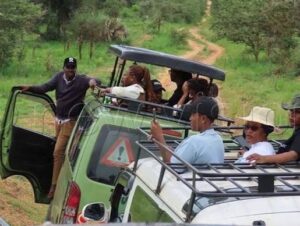
Uganda is blessed with mountain gorillas, chimpanzees, spectacular national parks, beautiful lakes, rich cultural traditions and welcoming communities. These attractions make the country an exciting destination for international travellers and an important source of tourism revenue.
Tourism also plays a significant role in Uganda’s economy because visitors from abroad spend money on accommodation, transport, gorilla permits, wildlife safaris, meals, cultural experiences and other services. This spending brings foreign currency into the country and creates income for Ugandan businesses and communities.
As Uganda continues to develop its tourism industry, an important question arises: Can tourism help address pressure on the Ugandan shilling?
The answer is that tourism can contribute by increasing foreign exchange earnings, supporting employment and strengthening local businesses. However, tourism alone cannot guarantee a stronger shilling. Exchange rates are affected by several factors, including demand for foreign currency, import costs, export performance, investment flows and wider economic conditions.
For Uganda, developing a competitive and sustainable tourism industry is one practical way to increase international earnings while protecting the natural and cultural attractions that make the country special.
Uganda’s Tourism Industry and Foreign Exchange Earnings
Tourism has become one of Uganda’s important sources of foreign exchange. According to Uganda’s Ministry of Tourism, Wildlife and Antiquities, the country recorded approximately 1.64 million international visitor arrivals in 2025, generating about US$1.62 billion in tourism receipts. The Ministry reported that earnings increased alongside visitor numbers and spending.
These figures demonstrate the economic opportunity available through international tourism. Every visitor who purchases a safari, books a hotel, hires a guide or pays for a cultural experience contributes to economic activity.
The Ugandan government has also set ambitious tourism development targets, including a goal of US$5 billion in annual tourism receipts by 2030, as reported by the Ministry of Finance in October 2026. Reaching this target will require effective destination marketing, investment, better visitor experiences and longer stays.
Tourism receipts do not automatically translate into an equivalent increase in foreign currency available to the entire economy. Some revenue pays for imported supplies, overseas services and other costs. Nevertheless, attracting more visitors and increasing the value retained by Ugandan businesses can strengthen tourism’s contribution to the country’s external earnings.
What Does a Depreciating Ugandan Shilling Mean?
Currency depreciation occurs when the Ugandan shilling loses value against another currency, such as the US dollar. When this happens, more shillings are needed to purchase the same amount of foreign currency.
A weaker shilling can make imported fuel, machinery, vehicles, medicines and other foreign goods more expensive. Businesses that depend on imported supplies may face higher operating costs, while households can feel the effects through increased prices.
At the same time, currency movements affect different businesses in different ways. International tourists may find some Ugandan services more affordable when their home currency buys more shillings. However, the benefit depends on the exchange rate, local prices, transport costs and the visitor’s overall travel budget.
Tourism can help by generating additional foreign exchange, but the relationship is not automatic. The currency’s direction also depends on how much foreign exchange the country earns from other activities and how much it needs to spend abroad.
Five Ways Tourism Can Help Uganda Earn More Foreign Exchange
1. Attracting More International Visitors
International tourists bring spending from overseas into Uganda. They may visit Bwindi Impenetrable National Park for gorilla trekking, Kibale Forest for chimpanzee tracking, Queen Elizabeth National Park for wildlife safaris or Murchison Falls for game drives and boat trips.
Each booking can generate revenue for safari operators, accommodation providers, guides, drivers, restaurants and other service providers.
To increase tourism earnings, Uganda can strengthen its visibility in established markets while reaching new audiences through digital marketing, travel exhibitions, partnerships with international tour operators and reliable online booking services.
The goal should not simply be to attract more visitors. Uganda should also offer high-quality, safe and well-organised experiences that encourage travellers to recommend the country and return for future holidays.
2. Promoting Gorilla Trekking and Primate Safaris
Gorilla trekking is one of Uganda’s best-known wildlife experiences. Visitors travel to Bwindi Impenetrable National Park and Mgahinga Gorilla National Park to see mountain gorillas in their natural habitat under the applicable conservation rules.
Primate tourism can attract visitors who are willing to travel long distances and spend several nights in the country. Travellers may combine gorilla trekking with chimpanzee tracking, birdwatching, cultural activities and traditional wildlife safaris.
A longer itinerary can spread visitor spending across more destinations and businesses. For example, a traveller might spend time in Entebbe or Kampala before travelling to Kibale, Queen Elizabeth National Park and Bwindi.
For this model to deliver lasting value, tourism operators must communicate accurate information, respect permit regulations and prioritise responsible wildlife viewing. Conservation is central to the long-term appeal of Uganda’s primate tourism.
3. Encouraging Longer Stays and Multi-Destination Safaris
A visitor who stays several nights may spend money on more than one destination, increasing the potential economic benefit of the trip.
Uganda offers opportunities to combine different experiences in a single itinerary, including:
- Gorilla trekking in Bwindi or Mgahinga.
- Chimpanzee tracking in Kibale Forest or other established chimpanzee destinations.
- Game drives and boat cruises in Queen Elizabeth National Park.
- Wildlife viewing and the waterfall experience in Murchison Falls National Park.
- Nature walks, birdwatching and cultural experiences.
- Relaxation around Lake Bunyonyi or other scenic lakes.
Safari companies can help visitors choose realistic routes based on their travel dates, interests, budget and available permits. Good planning reduces unnecessary driving and creates opportunities to spend more time enjoying each destination.
Uganda benefits when visitors discover more of the country rather than limiting their trip to one attraction. Businesses benefit most when the itinerary connects travellers with locally owned accommodation, guides, restaurants, transport providers and community experiences.
4. Supporting Local Businesses and Community Tourism
Tourism revenue can reach communities through employment, purchases and locally provided experiences. A lodge may buy food from nearby farmers, employ residents, use local transport providers and work with guides who understand the area.
Community tourism can also give visitors opportunities to learn about traditional knowledge, crafts, music, food and local conservation initiatives.
Around Bwindi, for example, travellers may be able to arrange appropriate village walks or cultural experiences through established community providers. Such visits should be respectful, fairly priced and organised with the participation of the people whose culture and work are being shared.
The more tourism businesses source suitable goods and services locally, the greater the opportunity for tourism income to circulate within Uganda. Local sourcing also needs to meet quality, hygiene, sustainability and reliability standards so that visitors receive a good experience.
5. Diversifying Uganda’s Tourism Products
A tourism industry that offers many different experiences can attract a broader range of visitors. Gorilla trekking is a major attraction, but Uganda’s tourism potential extends well beyond primates.
The country can develop and promote wildlife viewing, birdwatching, hiking, cultural heritage, adventure travel, lake holidays, conferences and other experiences that suit different budgets and interests.
Diversification can help tourism businesses reach visitors who may not be interested in gorilla trekking or who want to add other activities to their safari.
It can also spread tourism opportunities across different regions and seasons. With responsible planning, improved infrastructure and strong promotion, more destinations can attract visitors while reducing excessive pressure on individual sites.
How Gorilla Safaris Contribute to Uganda’s Economy
Gorilla safaris connect international tourism with conservation and livelihoods. A visitor’s trip can involve permit arrangements, accommodation, transport, meals, guiding services and other activities before and after the trek.
This creates opportunities for businesses in several locations along the visitor’s route. It also gives Uganda an incentive to protect habitats that support mountain gorillas and other wildlife.
Responsible gorilla tourism depends on conservation rules, appropriate visitor conduct, trained personnel and the protection of wildlife habitats. Travellers should follow guidance from authorised park staff and respect the conditions attached to their permits.
Tourism operators also have a role to play by providing clear itineraries, accurate pricing, honest information and realistic expectations about trekking conditions.
For travellers planning a primate holiday, Mambo Gorilla Safaris Uganda can help them explore suitable Uganda safari options and consider how to combine gorilla trekking with other destinations. Visitors should confirm current permit availability, prices, inclusions and travel requirements before booking.
What Uganda Can Do to Increase Tourism Earnings
Attracting more visitors is only one part of the solution. Uganda also needs to ensure that tourism services are competitive, accessible and capable of generating lasting value.
Improve transport and tourism infrastructure
Road conditions, airport access, reliable communication and appropriate accommodation all affect the visitor experience. Better access can make it easier for tourists to reach national parks and other attractions.
Strengthen international marketing
Clear destination information, strong online content, reliable booking channels and partnerships with reputable travel companies can help Uganda reach potential visitors around the world.
Maintain quality and visitor safety
Tourists need accurate information, professional guides, transparent prices and dependable services. Businesses that meet these expectations can build trust and encourage positive reviews and referrals.
Protect wildlife and natural attractions
Uganda’s forests, wildlife and landscapes are essential tourism assets. Responsible conservation, habitat protection and appropriate visitor management help preserve these attractions for future generations.
Increase the value retained locally
Tourism businesses can strengthen local economic benefits by purchasing from Ugandan suppliers where practical, employing and training local people and working with community enterprises.
Encourage repeat visits and longer holidays
Travellers who have a rewarding experience may return or recommend Uganda to friends and family. Multi-destination itineraries can also encourage visitors to spend more time exploring the country.
Can Tourism Alone Stop the Ugandan Shilling from Depreciating?
No. Tourism can increase foreign exchange earnings, but exchange rates are influenced by many forces beyond the tourism sector.
Demand for dollars to pay for imported fuel, machinery and other goods can put pressure on the shilling. Export earnings, remittances, investment flows, monetary policy and international economic developments also affect currency movements.
Tourism’s contribution is strongest when it forms part of a broader economic strategy. Uganda needs a competitive export sector, sound economic management, investment, productive businesses and a tourism industry that earns foreign currency while creating jobs.
The most realistic objective is therefore to make tourism a stronger contributor to Uganda’s foreign exchange earnings and economic resilience, rather than treating it as a single solution to currency depreciation.
Why Travellers Should Choose Responsible Uganda Safaris
Travellers can support Uganda’s tourism economy by choosing reputable operators, respecting local communities, following conservation guidelines and considering locally owned accommodation and services.
Before booking a gorilla trekking safari, visitors should confirm the official permit requirements, what is included in the package, accommodation arrangements, transport details and cancellation conditions. They should also check current entry and visa requirements for their nationality.
A well-planned safari offers more than wildlife sightings. It can connect travellers with Uganda’s landscapes, communities and conservation efforts while supporting the businesses and people who make the experience possible.
Mambo Gorilla Safaris Uganda can help travellers explore options for gorilla trekking, wildlife viewing and multi-destination holidays according to their interests, schedule and budget.
Plan Your Uganda Gorilla Trekking and Wildlife Safari
Uganda’s wildlife and cultural attractions offer visitors memorable experiences while creating opportunities for employment, local enterprise and foreign exchange earnings.
Whether you want to see mountain gorillas in Bwindi, track chimpanzees, explore Queen Elizabeth National Park or discover several destinations on one holiday, planning your itinerary carefully can help you get more from your trip.
Contact Mambo Gorilla Safaris Uganda to discuss a safari itinerary that suits your travel dates, interests and budget. Confirm current permits, prices, accommodation and package inclusions before making your booking.
Explore more with Mambo Gorilla Safaris Uganda:
- Uganda wildlife and primate trekking safari
- Three-day gorilla trekking in Bwindi
- Uganda wildlife safari in Queen Elizabeth National Park
Frequently Asked Questions
How does tourism help Uganda earn foreign exchange?
International visitors pay for accommodation, transport, tours, permits, meals and other services. This spending generates tourism receipts and can increase the foreign exchange earned by Uganda.
Can tourism strengthen the Ugandan shilling?
Tourism can contribute by bringing foreign currency into the economy. However, the exchange rate also depends on import demand, export earnings, investment flows, monetary policy and other economic conditions.
Why is gorilla trekking important to Uganda?
Gorilla trekking attracts international visitors, supports tourism businesses and creates opportunities for employment and community income. It also provides an economic reason to conserve mountain gorillas and their habitats.
Which national parks can visitors include in a Uganda safari?
Depending on travel time and interests, visitors may consider Bwindi Impenetrable, Mgahinga Gorilla, Kibale Forest, Queen Elizabeth and Murchison Falls national parks. The best combination depends on available time, transport arrangements, permits and the experiences a traveller wants.
How can tourists support local communities in Uganda?
Travellers can use reputable local tour operators, stay at locally owned accommodation where suitable, hire qualified local guides, purchase authentic locally made products and participate respectfully in community tourism experiences.
Is Uganda suitable for a multi-destination wildlife safari?
Yes. Uganda offers opportunities to combine primate tracking, wildlife viewing, birdwatching, cultural activities and scenic destinations. A realistic itinerary should account for driving times, park conditions, permit availability and time for rest.
Conclusion
Tourism is an important part of Uganda’s economic future because it can attract foreign spending, support employment, encourage investment and create income for communities. Gorilla trekking and other wildlife experiences are valuable components of this opportunity.
However, tourism is a contributor to economic resilience, not a stand-alone cure for a depreciating currency. Sustained progress depends on attracting visitors, improving tourism services, increasing local economic benefits, protecting natural attractions and maintaining a healthy wider economy.
By developing responsible, high-quality safaris and encouraging travellers to discover more of the country, Uganda can strengthen tourism’s contribution to foreign exchange earnings and long-term economic development.
Mambo Gorilla Safaris Uganda invites travellers to discover Uganda’s gorillas, wildlife, landscapes and cultural experiences through carefully planned safari adventures.


