Email: info@mambogorillasafarisuganda.com | Call: +256772666331

How to Experience a Tanzania Safari on a Budget

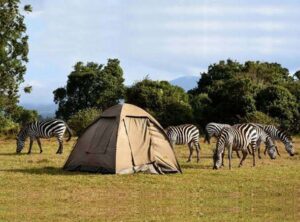
A Tanzania safari is a dream for many travellers. From elephants roaming beneath ancient baobab trees to lions resting on the African plains and the spectacular wildlife of the Serengeti, Tanzania offers some of the most memorable safari experiences in Africa. However, many travellers worry that the cost of a safari will put this adventure beyond their budget.
The good news is that you can experience a Tanzania safari on a budget by choosing the right destinations, travelling in a group, selecting affordable accommodation and planning your itinerary carefully.
A budget safari does not have to mean missing out on wildlife. With sensible planning, you can enjoy guided game drives, visit beautiful national parks and experience Tanzania’s landscapes without paying for luxury lodges, private flights or unnecessary extras.
At Mambo Gorilla Safaris Uganda, we help travellers explore East Africa and consider different ways to combine wildlife experiences across the region. This guide explains how to plan an affordable Tanzania safari, which destinations to consider, where to save money and how to create a practical itinerary.
1. Choose the Right Destinations for a Budget Tanzania Safari
One of the most important decisions when planning a Tanzania safari on a budget is choosing where to go. Each destination has different park fees, accommodation options, transport requirements and wildlife experiences.
Instead of trying to visit every famous park, select one or two destinations that match your interests and budget.
Tarangire National Park
Tarangire National Park is an excellent destination for travellers interested in elephants, baobab trees, birdlife and classic African landscapes.
The park is particularly attractive to visitors who want a northern Tanzania safari without spending their entire budget on several different destinations. It can be combined with other northern circuit attractions, depending on the available time and transport costs.
Budget tips for Tarangire:
- Consider camping or staying in a reasonably priced lodge outside the park where practical.
- Join a shared safari to divide vehicle and guide expenses.
- Plan enough time for meaningful game drives rather than paying for unnecessary transfers.
- Compare packages to understand whether park fees, meals and accommodation are included.
Lake Manyara National Park
Lake Manyara National Park offers a varied landscape that includes woodland, open areas and lakeshore habitats. Visitors may encounter elephants, baboons, numerous bird species and other wildlife.
Its location can make it a useful addition to a northern Tanzania itinerary, particularly when the route and accommodation arrangements are planned efficiently.
Travellers on a budget should compare the total cost of adding Lake Manyara with spending another day in a park already on their route. An additional park is worthwhile only if its experience justifies the extra transport, entry and accommodation costs.
Serengeti National Park
The Serengeti is famous for its wide-open plains, predators and the Great Migration. It is a major attraction for first-time safari visitors, but it can also be one of the more expensive parts of a Tanzania itinerary.
You do not necessarily need to exclude the Serengeti to save money. Instead, consider travelling with a group, choosing a camping safari, limiting the number of nights and planning the route carefully.
The Great Migration changes location throughout the year. If witnessing a particular stage of the migration is your priority, explain this when requesting a quotation because the best route may affect the overall cost.
Official park information and planning guidance are available through Tanzania National Parks (TANAPA): https://www.tanzaniaparks.go.tz/plan-a-trip
Mikumi National Park
Mikumi National Park is worth considering for travellers exploring Tanzania’s southern circuit. Its open landscapes can offer rewarding wildlife-viewing opportunities, and it may suit an itinerary based around southern Tanzania.
However, a park with comparatively affordable entry fees is not automatically the cheapest option for every traveller. Long-distance transfers, flights and accommodation can outweigh savings on entry fees.
Compare the complete itinerary cost before choosing between the northern and southern circuits.
2. Travel in a Group to Reduce Safari Costs
A safari vehicle, professional guide, fuel and certain logistics cost money regardless of whether one person or several people are travelling.
When travellers share these expenses, the cost per person can decrease considerably.
A shared safari is therefore one of the most practical ways to experience Tanzania on a budget, provided the departure dates, route and group size suit your plans.
Before booking, ask the operator:
- How many travellers will share the vehicle?
- Is the safari guaranteed to depart?
- Which parks and activities are included?
- Are park entry fees included in the quoted price?
- Are meals, drinking water and accommodation included?
- Will you share a room or have a private room?
- Are there extra charges for transfers or optional activities?
A low advertised price may exclude important expenses. Always compare the complete package rather than choosing the cheapest headline figure.
If you are travelling with friends or family, request a group quotation as well. A private trip may become more competitive when its transport and guide costs are divided among several people.
3. Choose Camping or Budget Accommodation
Accommodation is another major factor in the cost of a Tanzania safari.
Luxury lodges and exclusive tented camps offer comfort and attractive locations, but they can take up a substantial portion of your travel budget. Camping, simple safari camps and budget lodges may provide a more affordable alternative.
Public or designated campsites
Camping can reduce accommodation costs and provide a closer connection with the natural environment. However, campsite fees, reservations, equipment, meals and other charges still need to be considered.
Camping rules and facilities differ between parks. Some sites have basic shared amenities, while others offer more facilities. Confirm what is available before booking.
Budget lodges outside national parks
Staying outside a national park can sometimes be less expensive than staying inside it. Towns and communities along a safari route may offer guesthouses, simple lodges and smaller accommodation establishments.
The trade-off is travel time. A cheaper room far from the park gate may require additional driving and fuel, or reduce the time available for game drives.
Ask your safari operator to compare the total cost of accommodation and transport before making a decision.
Basic tented camps
Some tented camps offer a middle ground between camping and luxury lodges. They can provide a comfortable bed and meals without the price of a high-end property.
Compare the facilities and location carefully. A budget tented camp close to your planned activities may offer better overall value than a cheaper property that requires lengthy transfers.
4. Travel During a Suitable Season
Travel dates can influence accommodation prices, availability and wildlife-viewing opportunities.
Peak travel periods may have higher accommodation demand, especially in popular areas of the northern safari circuit. Travelling during a less busy period may provide more accommodation choices and better opportunities to negotiate a suitable package.
However, the cheapest season is not automatically the best for every traveller.
Before selecting your dates, consider:
- Which wildlife experiences matter most to you.
- Whether you want to see a particular stage of the Great Migration.
- Rainfall and road conditions along your proposed route.
- The availability of your preferred accommodation.
- The balance between price and the type of experience you want.
Ask your operator for quotations for different dates. Compare what changes in price, accommodation and route rather than assuming that one season is always cheapest.
5. Understand Park Fees Before Booking
National park and conservation fees are important components of a Tanzania safari budget. These charges vary by destination, visitor category and applicable tariff rules.
For international visitors, entry fees in popular parks can represent a significant share of the total cost. Other charges may include camping, vehicle access, concession fees and special activities, depending on the destination and itinerary.
TANAPA publishes park information and tariff guidance on its official website: https://www.tanzaniaparks.go.tz/tourism/visitor-information/tariff
Because tariffs can change, confirm the applicable rates for your travel dates before making payment. Do not rely on an old blog or an outdated price list.
When requesting a safari quotation, ask for a clear breakdown showing:
- Park entry and conservation fees.
- Accommodation and meals.
- Safari vehicle and guide.
- Fuel and road transfers.
- Camping or concession charges, where applicable.
- Any activities or permits.
- Taxes and additional fees.
A transparent quotation helps you understand what you are paying for and makes it easier to compare different operators.
6. Book a Package That Includes the Essentials
Organising every part of a safari independently may appear cheaper, but it can become complicated when you need to coordinate park bookings, transport, guides, meals and accommodation.
For travellers unfamiliar with Tanzania, a well-planned package can make budgeting easier by grouping essential expenses into one quotation.
When comparing packages, check whether the operator provides:
- A suitable safari vehicle.
- A qualified driver-guide.
- The agreed park entry fees.
- Accommodation for every night.
- Meals specified in the itinerary.
- Transfers between destinations.
- Clear information about exclusions and optional extras.
Ask for the itinerary and inclusions in writing. A package that costs slightly more may offer better value if it includes essential expenses that another operator charges separately.
Avoid making decisions based on price alone. Reliable transport, experienced guiding and clear booking terms are important parts of a successful safari.
7. Avoid Unnecessary Flights and Long Detours
Domestic flights can save time, but they often increase the cost of a budget safari. Road travel may be more economical when the distances are manageable and the route is practical.
The best choice depends on your arrival airport, destinations, available time and the condition of the roads.
To manage transport costs:
- Choose destinations within the same safari circuit.
- Avoid travelling back and forth between distant parks.
- Ask whether airport transfers are included.
- Compare the total cost of a road transfer with the cost of a flight and any additional transfers.
- Allow enough time for road journeys rather than squeezing too many parks into a short holiday.
A well-designed route often saves more money than simply choosing the lowest-priced lodge.
8. Prepare Your Own Safari Essentials
Buying forgotten travel items at the last minute can increase your expenses. Pack the essentials before leaving home.
Useful items include:
- Comfortable neutral-coloured clothing.
- A hat and sunglasses.
- Sunscreen and insect repellent appropriate for your needs.
- A reusable water bottle, where permitted and suitable.
- Binoculars if you already own a pair.
- A camera or smartphone.
- Comfortable closed shoes.
- Personal medication and basic toiletries.
- A small daypack.
Check your operator’s packing list and the weather forecast before departure. There is no need to purchase expensive specialist equipment for an ordinary vehicle-based safari if basic, suitable items will do the job.
9. Choose Activities That Match Your Budget
A Tanzania safari can include game drives, guided walks where permitted, cultural visits, balloon safaris and other experiences.
Some optional activities can be expensive. A hot-air balloon safari, for example, may be memorable, but it is not essential to enjoy excellent wildlife viewing.
Decide which experiences matter most and prioritise them.
If your main goal is to see elephants, giraffes, zebras, lions and other wildlife, a well-planned vehicle safari may provide the experience you want without adding costly extras.
Ask about optional activities before booking so that you can make an informed decision instead of facing unexpected expenses during the trip.
10. Sample Four-Day Budget Tanzania Safari Itinerary
A short safari can be a practical way to experience Tanzania without paying for a long holiday. The following is an illustrative northern-circuit itinerary, not a confirmed package or fixed-price offer. The exact route should be adjusted according to arrival times, park conditions, accommodation availability and your budget.
Day 1: Arrive in Arusha
Arrive in the Arusha area and transfer to your accommodation. Depending on your arrival time, you may have time to explore the town, prepare for the safari and meet your guide.
Stay in a budget guesthouse or lodge and confirm the next day’s departure arrangements.
Budget tip: If possible, arrive the day before the safari begins. This reduces the risk of missing a scheduled departure because of flight delays.
Day 2: Explore Tarangire National Park
Travel to Tarangire National Park for a guided game drive. Look for elephants, giraffes, zebras, antelopes and birdlife while enjoying the park’s distinctive landscapes.
After the game drive, travel to your selected accommodation, subject to the route and booking arrangements.
Budget tip: Ask about camping or a budget lodge that is practical for the next day’s journey.
Day 3: Visit the Ngorongoro area
Travel towards the Ngorongoro Conservation Area. Depending on your budget, confirmed arrangements and available time, you may include a visit to the crater floor.
Ngorongoro can add substantial costs to a safari, so confirm the relevant conservation, crater and transport charges before deciding to include it.
Budget tip: If the total cost is too high, compare an alternative itinerary that spends more time in Tarangire or another destination already on your route.
Day 4: Return to Arusha
Enjoy breakfast and return to Arusha or continue to your next destination, depending on your departure arrangements.
Allow enough time for road transfers and airport check-in. A late international flight may require an additional night or a carefully planned transfer.
Budget tip: Confirm all departure-day transport costs in advance so you do not need to arrange expensive last-minute transfers.
What will this four-day safari cost?
There is no single price that applies to every budget Tanzania safari. The total depends on your nationality or residency category, selected parks, season, group size, accommodation, vehicle, meals and included activities.
Request an itemised quotation for your exact dates and number of travellers. If the proposed route exceeds your budget, ask for a second option with fewer parks, simpler accommodation or a shared vehicle.
11. How Much Money Should You Budget for a Tanzania Safari?
The cost of a Tanzania safari depends on the experience you choose. Camping and shared transport may reduce costs, while private vehicles, premium parks, high-end accommodation and domestic flights can increase them.
Rather than relying on a single advertised figure, calculate your budget across these categories:
| Expense | What to check |
|---|---|
| Park and conservation fees | Current rates for every park and activity |
| Transport | Shared or private vehicle, fuel and transfers |
| Accommodation | Number of nights, location and room type |
| Meals and drinking water | Included meals and any extras |
| Guide and vehicle | Whether both are included in the package |
| Flights | International and domestic tickets, if needed |
| Optional activities | Balloon flights, walks or cultural experiences |
| Travel essentials | Insurance, visas where applicable, tips and personal expenses |
Also keep an emergency reserve for unexpected costs. A realistic budget should cover the full journey, not just the advertised safari package.
12. Common Mistakes to Avoid on a Budget Safari
A cheap safari can become expensive when important details are overlooked.
Choosing the cheapest offer without checking inclusions
A quotation may exclude park fees, meals, transfers or accommodation. Request a complete breakdown before paying.
Trying to visit too many parks
Every additional destination can mean more transport, park charges and overnight stays. Concentrate on the experiences that matter most.
Booking accommodation without checking its location
A low room rate may be offset by long transfers and additional fuel costs. Consider the total journey.
Ignoring the season and wildlife priorities
Your preferred dates may affect prices and the wildlife experience. Discuss seasonal conditions before choosing your itinerary.
Booking through an unverified operator
Check the operator’s contact details, relevant licensing, written itinerary, payment terms and recent independent reviews. Be cautious about pressure to pay immediately or requests to send money through unclear channels.
Forgetting travel insurance
Review the policy carefully, including medical care, evacuation, cancellation and the activities you plan to undertake. Make sure the coverage matches your trip.
13. Can You Combine a Tanzania Safari with a Uganda Gorilla Trekking Trip?
Yes. Some travellers combine Tanzania’s savannah wildlife with mountain gorilla trekking in Uganda for a broader East African holiday.
Tanzania offers classic game drives across plains and woodland, while Uganda provides opportunities to visit mountain gorillas in Bwindi Impenetrable National Park and enjoy other wildlife and primate experiences.
However, combining both countries will increase the total budget through additional flights or road transfers, accommodation, visas where applicable and gorilla permits. It is not necessarily the cheapest option for a short trip.
If you want to visit both destinations, consider:
- Deciding whether gorilla trekking or Tanzania’s wildlife is your main priority.
- Allowing enough days for travel between countries.
- Confirming gorilla permit availability before committing to flights.
- Comparing the cost of a combined trip with two separate holidays.
- Checking entry requirements for your nationality and route.
Explore Uganda safari options with Mambo Gorilla Safaris Uganda:
https://mambogorillasafarisuganda.com/10-days-of-wildlife-and-primate-trekking-in-uganda/
You can also consider a shorter Uganda gorilla trekking itinerary:
https://mambogorillasafarisuganda.com/3-days-gorilla-trekking-bwindi/
Why Plan Your Tanzania Safari with Mambo Gorilla Safaris Uganda?
At Mambo Gorilla Safaris Uganda, we understand that travellers want memorable wildlife experiences that match their budgets.
The right safari plan should reflect your travel dates, preferred destinations, accommodation expectations, group size and wildlife interests. Rather than selecting a package based on its advertised price alone, compare what is included and whether the itinerary makes practical sense.
When enquiring about a Tanzania safari, share your approximate budget, number of travellers, preferred dates and the parks you would most like to visit. This information helps the team explore suitable itinerary options and explain the trade-offs between accommodation, transport and activities.
For travellers interested in exploring more of East Africa, we can also discuss how a Tanzania wildlife safari might fit into a wider Uganda gorilla trekking holiday.
Visit https://mambogorillasafarisuganda.com/ to explore available safari options and submit an enquiry.
Frequently Asked Questions About Tanzania Safaris on a Budget
Can I experience a Tanzania safari on a small budget?
Yes, depending on your expectations and travel dates. Shared safaris, camping or simple accommodation, fewer destinations and efficient transport can help reduce costs. Park fees and essential safety arrangements still need to be included.
Which Tanzania national parks are best for a budget safari?
Tarangire, Lake Manyara, the Serengeti and Mikumi are possible options, depending on your route and priorities. The least expensive choice overall depends on park fees, transport, accommodation and the length of your trip.
Is camping cheaper than staying in a lodge?
Camping can reduce accommodation expenses, but campsite fees, equipment, meals and transport still add to the total. Compare the full cost of camping with a budget lodge before deciding.
What is the cheapest way to go on safari in Tanzania?
A shared safari with a practical route and budget accommodation is often worth considering. The best arrangement depends on your dates, group size, destinations and whether you are comfortable sharing transport and facilities.
How many days do I need for a budget Tanzania safari?
Three or four days can provide a useful introduction to selected destinations, while longer trips allow more time for wildlife viewing and travel. Choose a realistic route rather than trying to cover too much ground.
Is the Serengeti possible on a budget?
Yes, it may be possible through group travel, camping and careful itinerary planning. However, the park’s fees, distances and accommodation can make it more expensive than some alternatives. Compare complete quotations before deciding.
When should I book a budget Tanzania safari?
Book early enough to compare accommodation and transport options, especially if you have fixed travel dates or want to visit popular areas. Check availability and current park fees before paying.
Are park fees included in budget safari packages?
Some packages include all applicable park fees, while others exclude some charges. Ask for an itemised quotation and confirm the inclusions in writing.
Conclusion: Enjoy Tanzania’s Wildlife Without Overspending
Experiencing a Tanzania safari on a budget is possible with careful planning. Choose destinations that fit your interests, travel in a group where practical, consider camping or budget accommodation, minimise unnecessary transfers and understand the full cost before booking.
You do not need to include every national park or every optional activity to enjoy an unforgettable African wildlife experience. A well-planned itinerary can help you spend your money on the experiences that matter most.
Ready to plan your East African wildlife adventure? Contact Mambo Gorilla Safaris Uganda to discuss a safari itinerary that fits your budget and travel priorities.


