Email: info@mambogorillasafarisuganda.com | Call: +256772666331

What Are the Popular National Parks in Kenya? A Complete Safari Guide

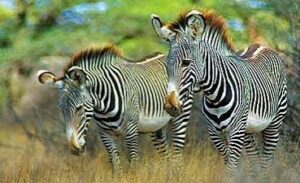
Kenya is one of Africa’s most celebrated safari destinations, known for its remarkable wildlife, sweeping savannahs, dramatic mountains, lakes, forests and rich cultural heritage. From elephants roaming beneath Mount Kilimanjaro to rhinos grazing beside scenic lakes, the country offers unforgettable experiences for wildlife enthusiasts, photographers, families and adventure travelers.
If you are wondering what are the popular national parks in Kenya, several destinations stand out for their wildlife viewing, scenery and unique safari experiences. These include Amboseli National Park, Tsavo East National Park, Tsavo West National Park, Nairobi National Park, Lake Nakuru National Park, Mount Kenya National Park, Aberdare National Park and Hell’s Gate National Park.
Kenya is also home to the famous Maasai Mara National Reserve, a major safari destination known for its large wildlife populations and the seasonal Great Migration. Although it is a reserve rather than a national park, it deserves a place on any list of Kenya’s leading wildlife destinations.
At Mambo Gorilla Safaris Uganda, we help travelers explore East Africa through customized safari planning. A Kenya wildlife adventure can also be combined with Uganda gorilla trekking, chimpanzee tracking or other experiences when your schedule and travel arrangements allow.
Quick Answer: What Are the Most Popular National Parks in Kenya?
Some of Kenya’s best-known national parks include:
- Amboseli National Park – famous for elephants and views of Mount Kilimanjaro.
- Tsavo East National Park – known for its expansive savannah and red-dusted elephants.
- Tsavo West National Park – offers varied landscapes, volcanic features and Mzima Springs.
- Nairobi National Park – a wildlife destination close to Kenya’s capital.
- Lake Nakuru National Park – renowned for birdlife, scenic landscapes and rhino conservation.
- Aberdare National Park – features forested mountains, waterfalls and highland habitats.
- Mount Kenya National Park – protects dramatic mountain scenery and alpine ecosystems.
- Hell’s Gate National Park – known for its dramatic gorge scenery, geothermal features and outdoor activities.
For travelers seeking a classic big-game safari, the Maasai Mara National Reserve is another leading destination.
The best park for you depends on your interests, travel dates, available time and the wildlife experiences you hope to enjoy.
1. Amboseli National Park: Best for Elephants and Kilimanjaro Views
Amboseli National Park is one of Kenya’s most recognizable safari destinations. Located in southern Kenya near the Tanzania border, the park is famous for its large elephant herds and views of Mount Kilimanjaro, Africa’s highest mountain.
The landscape includes open plains, acacia woodland, wetlands and seasonal water sources. These habitats support a variety of wildlife and birds.
What can you see in Amboseli?
Depending on wildlife movements and conditions, visitors may encounter:
- African elephants
- Lions
- Buffaloes
- Zebras
- Giraffes
- Various antelope species
- Numerous birds
Elephants are particularly associated with Amboseli, making it a popular destination for wildlife photographers.
Best activities in Amboseli
- Guided game drives
- Wildlife photography
- Bird watching
- Scenic viewing of Mount Kilimanjaro when weather permits
- Respectful, locally arranged cultural experiences
Amboseli is particularly attractive to photographers because elephants may be seen against the dramatic mountain backdrop. However, cloud cover can obscure Kilimanjaro, so clear views are never guaranteed.
Best for: Elephant enthusiasts, photographers, couples and travelers seeking classic African safari scenery.
Official park information is available from Kenya Wildlife Service – Amboseli National Park.
2. Tsavo East National Park: Vast Savannah and Red Elephants
Tsavo East National Park is one of Kenya’s major protected wildlife areas. Its expansive landscape features open plains, scrubland, river systems and striking red-earth scenery.
The park is especially well known for its red elephants. Their distinctive appearance comes from dust and soil that coats their skin as they move through the landscape.
Wildlife in Tsavo East
Depending on the location and season, visitors may see:
- Elephants
- Lions
- Buffaloes
- Giraffes
- Zebras
- Antelopes
- Ostriches and other bird species
Tsavo East offers a sense of space and wilderness that appeals to travelers who enjoy broad landscapes and long game drives.
Things to do in Tsavo East
A typical safari may include guided game drives, photography and wildlife viewing around suitable water sources and scenic areas.
Because the park is extensive, the choice of accommodation and entrance gate can affect how much time you spend traveling between areas.
Best for: Travelers who enjoy expansive landscapes, elephants, wildlife photography and multi-day safaris.
3. Tsavo West National Park: Dramatic Landscapes and Mzima Springs
Tsavo West National Park provides a different experience from the open plains of Tsavo East. Its landscapes include rocky hills, volcanic features, woodland, lava flows and natural springs.
One of the park’s best-known attractions is Mzima Springs, where clear water emerges from underground sources and creates an important habitat for wildlife.
What makes Tsavo West special?
Visitors can enjoy:
- Scenic game drives
- Mzima Springs
- Volcanic landscapes and lava formations
- Bird watching
- Wildlife photography
- Opportunities to look for elephants and other large mammals
The variety of terrain makes Tsavo West attractive to travelers who enjoy combining wildlife viewing with geology and scenic exploration.
Wildlife sightings vary, and the park’s different habitats mean that the experience can differ considerably from one area to another.
Best for: Nature lovers, photographers and travelers interested in landscapes as well as wildlife.
Learn more from Kenya Wildlife Service – Tsavo West National Park.
4. Nairobi National Park: A Safari Near the Capital
Nairobi National Park is one of Kenya’s most distinctive wildlife destinations because it lies close to the capital city.
The park’s open grasslands and other habitats support wildlife against a backdrop that can include Nairobi’s skyline. This contrast makes it particularly attractive to visitors with limited time.
What animals can you see?
Depending on wildlife movements and conditions, you may encounter:
- Lions
- Giraffes
- Buffaloes
- Zebras
- Antelopes
- Rhinos
- A variety of birds
The park is especially important for conservation and offers opportunities to see wildlife without traveling far from the city.
What can you do in Nairobi National Park?
- Join a guided game drive.
- Photograph wildlife and the city skyline.
- Go bird watching.
- Visit as part of a short Nairobi stopover, if time permits.
A half-day visit may be suitable for some travelers, although the length of your game drive depends on your schedule and wildlife-viewing interests.
Best for: Short stays, business travelers, families with limited time and visitors arriving through Nairobi.
Check current visitor information at Kenya Wildlife Service – Nairobi National Park.
5. Lake Nakuru National Park: Rhinos, Birds and Scenic Landscapes
Lake Nakuru National Park is a well-known destination in Kenya’s Great Rift Valley. It combines lake scenery, woodland, grassland and surrounding hills.
The park is particularly important for rhino conservation and is also popular with bird watchers.
What can you see at Lake Nakuru?
Depending on conditions, visitors may encounter:
- Black and white rhinos
- Giraffes
- Buffaloes
- Zebras
- Various antelope species
- Waterbirds and other birdlife
Flamingos may be present, but their numbers change with water conditions, food availability and other ecological factors. It is better not to plan a trip on the assumption that large flocks will always be visible.
Activities in Lake Nakuru National Park
- Game drives
- Bird watching
- Wildlife photography
- Scenic viewpoints
- Learning about rhino conservation
Lake Nakuru is a useful addition to a longer Kenya safari and can be combined with other destinations in the Rift Valley, subject to travel time.
Best for: Bird watchers, rhino enthusiasts, photographers and travelers who enjoy varied landscapes.
Read more at Kenya Wildlife Service – Lake Nakuru National Park.
6. Aberdare National Park: Forests, Waterfalls and Highland Scenery
Aberdare National Park protects part of Kenya’s central highlands, where forested slopes, moorlands, deep valleys and waterfalls create a different environment from the country’s savannah parks.
Its higher elevations and forest habitats support distinctive plants, birds and mammals.
What makes Aberdare National Park worth visiting?
The park offers opportunities to appreciate Kenya’s mountain environment, with landscapes that contrast sharply with the open plains of Amboseli and Tsavo.
Depending on your chosen activity and location, experiences may include:
- Guided nature excursions
- Scenic drives
- Bird watching
- Waterfall viewpoints
- Wildlife observation from suitable areas
Some wildlife-viewing experiences in the Aberdares depend on accommodation location and the type of excursion arranged.
Because of the highland climate, travelers should prepare for cooler temperatures and possible rain.
Best for: Travelers interested in forests, highland landscapes, birdlife and a different side of Kenya’s natural heritage.
7. Mount Kenya National Park: Mountain Adventure and Alpine Scenery
Mount Kenya National Park protects the landscapes surrounding Mount Kenya, the country’s highest mountain and Africa’s second-highest peak.
The area includes montane forest, bamboo zones, moorland and alpine environments. Its changing vegetation and dramatic mountain scenery make it a major destination for nature lovers and hikers.
What can you do around Mount Kenya?
Activities depend on the route, season and your level of preparation.
Visitors may enjoy:
- Guided hiking
- Mountain trekking
- Bird watching
- Photography
- Scenic exploration
- Learning about mountain ecosystems
Summit attempts require careful planning, suitable equipment, proper acclimatization and an experienced guide. Travelers should choose a route appropriate for their fitness and experience.
Not everyone needs to climb the mountain to appreciate the surrounding scenery.
Best for: Hikers, mountain enthusiasts, photographers and travelers who want an active adventure beyond conventional game drives.
8. Hell’s Gate National Park: Walking, Cycling and Dramatic Gorges
Hell’s Gate National Park, located near Lake Naivasha, is known for its dramatic cliffs, gorges, geothermal features and opportunities for outdoor exploration.
Unlike many conventional safari destinations where visitors spend much of their time in vehicles, Hell’s Gate offers activities that can bring travelers closer to the landscape.
Popular activities
Depending on current park rules and conditions, visitors may enjoy:
- Guided walks
- Cycling on permitted routes
- Rock formations and gorge scenery
- Bird watching
- Photography
- Learning about the area’s geothermal landscape
Always check current access rules and safety advice before entering gorge areas, because weather and flash-flood risks can affect whether certain routes are safe.
Best for: Active travelers, families seeking outdoor activities, photographers and visitors staying around Lake Naivasha.
Bonus: Maasai Mara National Reserve — One of Kenya’s Most Famous Safari Destinations
Although the Maasai Mara is a national reserve rather than a national park, it is too important to leave out of a guide to Kenya’s leading safari destinations.
Located in southwestern Kenya, the reserve is famous for its open grasslands, large wildlife populations and its connection to the Great Migration ecosystem.
What can you see in the Maasai Mara?
Depending on season and wildlife movements, visitors may see:
- Lions
- Leopards
- Elephants
- Buffaloes
- Cheetahs
- Zebras
- Wildebeest
- Giraffes and other herbivores
The Great Migration involves the movement of wildebeest and other grazing animals through the wider Serengeti–Mara ecosystem. The timing and location of herds change from year to year, so dramatic river crossings cannot be guaranteed on a particular date.
What are the best activities in the Maasai Mara?
- Guided game drives
- Wildlife photography
- Bird watching
- Community-led cultural experiences
- Other activities permitted by the reserve and your chosen operator
The reserve is an excellent choice for travelers who want to focus on big-game viewing and open savannah scenery.
Best for: First-time safari visitors, wildlife photographers, big-cat enthusiasts and travelers interested in the Great Migration.
Comparison of Popular National Parks and Safari Destinations in Kenya
| Destination | Main attraction | Best suited to |
|---|---|---|
| Amboseli National Park | Elephants and Mount Kilimanjaro views | Wildlife photographers |
| Tsavo East National Park | Expansive savannah and red elephants | Multi-day safari travelers |
| Tsavo West National Park | Mzima Springs and varied landscapes | Nature and scenery lovers |
| Nairobi National Park | Wildlife close to the capital | Short stays and stopovers |
| Lake Nakuru National Park | Rhino conservation and birdlife | Bird watchers and rhino enthusiasts |
| Aberdare National Park | Forests and highland scenery | Nature lovers |
| Mount Kenya National Park | Mountain ecosystems and trekking | Hikers and active travelers |
| Hell’s Gate National Park | Gorges and outdoor activities | Active travelers |
| Maasai Mara National Reserve | Big cats and Great Migration ecosystem | Classic big-game safari travelers |
The best choice depends on your interests, budget, accommodation preferences and how many days you have available.
Which National Park in Kenya Is Best for the Big Five?
The Big Five are lions, leopards, elephants, buffaloes and rhinos. Several Kenyan parks and reserves offer opportunities to see some or all of these animals, but sightings vary.
The Maasai Mara National Reserve is particularly well known for big-cat viewing. Amboseli is famous for elephants, while Lake Nakuru is an important rhino conservation destination. Tsavo’s large landscapes also support a diverse range of wildlife.
If seeing all five animals is a priority, discuss your route with a knowledgeable safari planner. No destination can guarantee sightings of every species during a specific visit.
How Many Days Do You Need for a Kenya Safari?
The right length depends on the number of destinations you want to visit.
3-Day Kenya Safari
A short safari can focus on one main destination, such as Amboseli or the Maasai Mara, depending on your starting point and transport arrangements.
5-Day Kenya Safari
Five days can provide more flexibility for combining two destinations, provided the travel distances are manageable.
7-Day Kenya Safari
A week may allow you to explore several destinations, such as Amboseli, Lake Nakuru and the Maasai Mara, depending on the route and time available.
10-Day Kenya Safari
Ten days offers greater flexibility for a more comprehensive itinerary that combines multiple wildlife habitats, scenery and cultural experiences.
Avoid adding too many parks simply to increase the number of destinations. A carefully planned itinerary with sufficient time for game drives is often more rewarding than rushing between distant locations.
Best Time to Visit Kenya’s National Parks
Kenya can be visited throughout the year, but weather conditions, vegetation, wildlife movements and visitor demand can influence your experience.
Many travelers prefer generally drier periods for wildlife viewing because animals may be easier to spot in thinner vegetation and around water sources. However, conditions differ between regions and parks.
The Great Migration is seasonal, and the timing of particular herds and river crossings varies. Travelers interested in this event should plan with flexibility rather than relying on a guaranteed date.
Before booking, consider:
- Your preferred wildlife species
- The destinations you want to visit
- Seasonal weather and road conditions
- Accommodation availability
- Park entry and activity fees
- Your overall budget and travel dates
Check current park information and entry arrangements with Kenya Wildlife Service or the relevant reserve authority before departure.
What Should You Pack for a Kenya Safari?
A suitable packing list depends on your route and the activities you plan to enjoy.
Useful items include:
- Lightweight neutral-coloured clothing
- Comfortable walking shoes
- A warm layer for early morning game drives
- A hat and sunglasses
- Sunscreen
- Insect repellent
- Binoculars
- A camera and spare batteries
- A reusable water bottle
- Personal medication
- A small daypack
- Rain protection appropriate for the season
If your itinerary includes mountain trekking or walking activities, bring suitable footwear and clothing for the terrain.
Can You Combine Kenya’s National Parks With a Uganda Gorilla Safari?
Yes. Travelers with enough time can combine a Kenya wildlife safari with mountain gorilla trekking in Uganda.
A cross-border itinerary may include Kenya’s savannah wildlife destinations followed by gorilla trekking in Bwindi Impenetrable National Park or Mgahinga Gorilla National Park.
Depending on the selected route and available permits, a wider East African journey may also include chimpanzee tracking in Uganda or other wildlife destinations.
When combining countries, allow enough time for transfers, flights or road travel, immigration formalities and scheduled activities. Confirm passport, visa and entry requirements for your specific nationality before booking.
Mambo Gorilla Safaris Uganda can help you discuss a customized itinerary that brings together Kenya’s wildlife experiences and Uganda’s primate adventures.
Explore our 3 Days Bwindi Gorilla Trekking Tour or 10 Days Wildlife and Primate Trekking Safari in Uganda for Uganda itinerary ideas.
Why Plan Your East African Safari With Mambo Gorilla Safaris Uganda?
Planning a multi-destination safari involves more than choosing parks. You need to coordinate transportation, accommodation, activity schedules, permits and the time required to travel between destinations.
Mambo Gorilla Safaris Uganda specializes in Uganda safari experiences and can help travelers explore options for customized East African itineraries.
Depending on your interests and arrangements, your wider holiday may include:
- Kenya wildlife destinations
- Uganda gorilla trekking
- Chimpanzee tracking
- Murchison Falls National Park
- Queen Elizabeth National Park
- Scenic lakes and cultural experiences
- Cross-border travel planning
If you are interested in Kenya as well as Uganda, discuss your preferred destinations and travel dates with your safari planner to determine a practical route.
Frequently Asked Questions About Kenya’s Popular National Parks
What are the most popular national parks in Kenya?
Well-known national parks include Amboseli, Tsavo East, Tsavo West, Nairobi National Park, Lake Nakuru, Aberdare, Mount Kenya and Hell’s Gate. The best choice depends on the wildlife and activities you want to experience.
Is Maasai Mara a national park?
No. The Maasai Mara is officially a national reserve. It is one of Kenya’s most famous safari destinations and is known for its wildlife and its role in the Great Migration ecosystem.
Which national park in Kenya is best for elephants?
Amboseli is particularly famous for its elephant herds and views of Mount Kilimanjaro. Tsavo East and Tsavo West also offer opportunities to see elephants.
Which national park is best for rhinos in Kenya?
Lake Nakuru National Park is a major rhino conservation destination. Other protected areas also support rhino conservation, but sightings depend on the location and conditions.
Which Kenyan park is best for a short safari from Nairobi?
Nairobi National Park is especially convenient for travelers with limited time because it is close to the city. Other parks require longer road transfers or different transport arrangements.
Which national park is best for bird watching?
Several parks are excellent for birding. Lake Nakuru is well known for its birdlife, while Aberdare, Amboseli and other protected areas offer different habitats and species.
How many days are enough for a Kenya safari?
Three days can work for a focused visit to one destination. Five to seven days allows more flexibility for two or more locations, depending on the route and transport. Longer trips can cover a broader range of habitats.
Can I combine Kenya and Uganda on one safari?
Yes. A multi-country itinerary can combine Kenya’s wildlife destinations with Uganda’s mountain gorillas, chimpanzees and national parks. Travel arrangements, entry requirements and permit availability must be confirmed in advance.
Final Thoughts: Discover Kenya’s Best National Parks and Safari Destinations
Kenya offers an extraordinary variety of safari experiences, from elephant viewing beneath Mount Kilimanjaro in Amboseli to the dramatic landscapes of Tsavo, rhino conservation at Lake Nakuru and wildlife viewing close to Nairobi.
For a classic big-game experience, the Maasai Mara National Reserve is also a major destination, even though it is not officially a national park.
The best destination for your trip depends on your interests, budget, travel dates and available time. By choosing your parks carefully and allowing enough time for wildlife viewing, you can create a memorable Kenya safari.
Planning a wider East African adventure? Contact Mambo Gorilla Safaris Uganda to discuss a customized itinerary combining Kenya’s wildlife destinations with Uganda gorilla trekking, chimpanzee tracking and other safari experiences.


