Email: info@mambogorillasafarisuganda.com | Call: +256772666331

How to Get to Maasai Mara for a Safari: A Complete Travel Guide

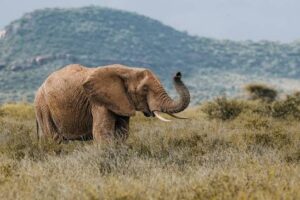
The Maasai Mara National Reserve is one of Kenya’s most famous wildlife destinations, attracting travelers who dream of seeing lions, elephants, giraffes, cheetahs and the spectacular movements of wildebeest and zebras across the African savannah.
If you are planning a Kenya safari, one of the first questions to answer is how to get to Maasai Mara for a safari. The journey is an important part of your travel arrangements because your transportation choice affects your budget, travel time, comfort and the amount of time available for wildlife viewing.
Most visitors reach the Maasai Mara from Nairobi by road or by a scheduled safari flight. Driving is often a practical choice for travelers seeking a road safari, while flying is attractive to visitors with limited time or those staying at remote luxury camps.
The best option depends on your departure point, accommodation, budget and itinerary.
At Mambo Gorilla Safaris Uganda, we help travelers plan East African safari holidays, including Kenya wildlife adventures that can be combined with gorilla trekking and other experiences in Uganda and Rwanda.
Quick Answer: How Do You Get to Maasai Mara?
There are two main ways to reach the Maasai Mara from Nairobi.
1. By road: Travel in a safari vehicle through the Great Rift Valley and Narok before continuing toward the entrance gate serving your accommodation. The journey commonly takes around five to six hours, although traffic, weather and road conditions can make it longer.
2. By air: Take a scheduled safari flight from Nairobi’s Wilson Airport to an airstrip serving your camp or lodge. The flight is considerably shorter than the road journey, but you must also arrange the transfer from the airstrip to your accommodation.
The Maasai Mara is a large wildlife region rather than a single entrance or airport. Always confirm your accommodation’s location and recommended arrival point before booking transportation.
1. Where Is the Maasai Mara Located?
The Maasai Mara is in southwestern Kenya, within Narok County, near the border with Tanzania’s Serengeti ecosystem.
The wider Mara ecosystem includes the Maasai Mara National Reserve and neighbouring community conservancies. Together, these landscapes support important populations of wildlife and provide opportunities for game drives, photography and guided nature experiences.
The reserve is particularly famous for:
- Lions and other large predators
- Elephants and buffaloes
- Giraffes, zebras and antelopes
- Seasonal wildebeest movements
- The Mara River and its wildlife
- Open grasslands and scenic landscapes
- Cultural experiences with local communities, where appropriately arranged
The exact wildlife you see depends on the season, location and natural movements of animals.
Because camps and lodges are spread across different parts of the ecosystem, the route you use to get there matters. A lodge near Talek may require a different road approach or airstrip from a camp in the Mara Triangle or a neighbouring conservancy.
2. How to Get to Maasai Mara by Road
Travelling by road is a popular way to reach the Maasai Mara, especially for visitors who want a private safari, prefer to avoid domestic flights or are working within a specific budget.
Most road safaris begin in Nairobi and continue toward Narok before turning onto the access road appropriate for the chosen camp or reserve entrance.
What is the route from Nairobi to Maasai Mara?
A common route to the eastern side of the reserve is:
Nairobi → Great Rift Valley route → Narok → Maasai Mara access road → your accommodation.
The exact route depends on whether your camp is near Sekenani, Talek, Oloolaimutia, Musiara, Oloololo or another access point.
How long does the drive take?
As a general planning estimate, allow approximately five to six hours from Nairobi to parts of the Maasai Mara. Some journeys take longer, particularly when the final section is rough, there is heavy traffic or rain affects the roads.
Your total travel time also depends on where you stay. A camp located far from the entrance gate may require additional driving after you enter the reserve or conservancy.
For that reason, do not rely only on the distance displayed on a map. Ask your safari operator for an estimated door-to-door travel time.
Advantages of travelling by road
- It can be more economical than flying.
- It provides views of Kenya’s countryside and the Great Rift Valley.
- It works well for private safaris and families.
- It allows flexibility for suitable stops along the route.
- It can be incorporated into a longer Kenya road safari.
Disadvantages of travelling by road
- The journey can take much of the day.
- Traffic around Nairobi can cause delays.
- Some final access roads are rough or muddy.
- Long journeys may be tiring for young children or travelers with limited time.
- You may have less time for wildlife viewing on your arrival day.
A suitable safari vehicle, an experienced driver-guide and realistic scheduling can make the journey more comfortable.
3. How to Get to Maasai Mara by Air
Flying is an excellent alternative for travelers who want to reduce the time spent on the road.
Scheduled safari flights commonly operate from Wilson Airport in Nairobi to airstrips serving the Maasai Mara region. The flight itself is usually under an hour, although the full journey also includes airport check-in, possible stops, baggage handling and the road transfer to your lodge.
Which airport should you use?
International visitors usually arrive at Jomo Kenyatta International Airport in Nairobi. Depending on your itinerary and flight schedule, you may need a transfer to Wilson Airport for your domestic safari flight.
Do not assume that an international arrival and a safari flight depart from the same airport. Allow sufficient connection time and confirm your arrangements with your operator.
Which airstrip should you choose?
The right airstrip depends on the location of your accommodation.
Examples of commonly used airstrips in and around the Mara region include:
- Keekorok
- Ol Kiombo
- Musiara
- Mara Serena
- Kichwa Tembo
Other airstrips serve camps in neighbouring conservancies.
Your lodge or safari operator should identify the correct airstrip for your reservation. Booking the nearest-looking airstrip without checking the actual transfer route can create unnecessary delays.
Advantages of flying to the Maasai Mara
- It saves considerable road travel time.
- It suits short safaris and weekend trips.
- It is convenient for some remote camps.
- It can leave more time for game drives.
- It offers scenic aerial views of the landscape.
Disadvantages of flying
- Flights usually cost more than road transfers.
- Baggage allowances can be restrictive.
- Flight schedules may not match every international arrival.
- You still need a transfer between the airstrip and accommodation.
- Weather and operational changes may affect schedules.
Before booking, confirm the airline’s baggage rules, the departure airport, luggage restrictions and the transfer arrangements at your destination.
4. Should You Travel by Road or Fly to Maasai Mara?
Neither option is best for every traveler. Compare the two before choosing your safari package.
| Factor | By road | By air |
|---|---|---|
| Travel time | Usually around 5–6 hours from Nairobi, sometimes longer | Short flight, plus airport and road transfers |
| Budget | Often more economical | Usually more expensive |
| Comfort | Depends on vehicle and road conditions | Shorter journey, but aircraft and luggage limits apply |
| Best for | Private road safaris and budget-conscious travelers | Short trips, luxury camps and travelers saving time |
| Scenery | Countryside and Great Rift Valley | Aerial views of Kenya’s landscapes |
| Flexibility | Greater flexibility for suitable road stops | Depends on flight schedules |
| Luggage | Usually more flexible, depending on vehicle capacity | Strict airline-specific baggage limits |
Our recommendation: If you have three or more days and enjoy road travel, driving can be a rewarding option. If you have only one or two nights in the Mara, flying may give you more time to enjoy the safari itself.
Always compare the total package cost rather than looking only at the flight or vehicle transfer price.
5. Which Maasai Mara Gate Should You Use?
The correct entrance gate depends on where your accommodation is located.
The Maasai Mara National Reserve has several designated public road entrances, including Sekenani, Talek, Musiara, Oloolaimutia, Sand River and Oloololo. The current status of access points and the rules applicable to your destination should be confirmed before travel.
Sekenani Gate
Sekenani is a commonly used entrance for visitors approaching the eastern side of the reserve from Nairobi via Narok.
It may suit travelers staying at accommodation accessible from the eastern and central areas.
Talek Gate
Talek is useful for visitors staying around the Talek area and nearby central Mara camps. The best route depends on the exact location of the accommodation.
Oloolaimutia Gate
This entrance may suit visitors staying in the southeastern part of the Mara ecosystem.
Road conditions on local access routes can vary, especially after rain.
Musiara Gate
Musiara serves parts of the northern reserve and can be relevant for visitors staying near Musiara Marsh and nearby camps.
Oloololo Gate
Oloololo provides access to the Mara Triangle on the western side of the ecosystem. Visitors staying in this area should confirm the correct approach and the applicable management and payment arrangements.
Why does choosing the correct gate matter?
Using the appropriate gate helps reduce unnecessary driving and makes it easier to coordinate arrival times, transfers and game drives.
Before departing, ask your accommodation provider:
- Which entrance should my driver use?
- How long is the drive from the gate to the camp?
- Are park or conservancy fees included in my package?
- Is the final access road suitable for the planned vehicle?
- What time should I arrive to avoid missing an activity?
Official gate information is available through the Maasai Mara National Reserve visitor guide.
6. What Is the Best Way to Reach Maasai Mara From Nairobi Airport?
If you are arriving in Kenya by international flight, plan your transfer carefully.
Nairobi has two airports commonly relevant to safari travelers:
Jomo Kenyatta International Airport (JKIA) is the main international gateway for many visitors.
Wilson Airport serves many domestic and safari flights, including services to destinations in the Maasai Mara region.
If you plan to fly to the Mara on the same day as your international arrival, consider the following:
- Check your international flight arrival time.
- Confirm the departure airport for your domestic safari flight.
- Allow sufficient time for immigration, baggage collection and the airport transfer.
- Confirm the domestic flight’s check-in deadline.
- Check the baggage allowance for your safari flight.
- Ask what happens if your international flight is delayed.
If your international flight arrives late in the day, staying overnight in Nairobi may be the safer option. Do not book a tight connection without checking the airline’s requirements and your operator’s advice.
For road safaris, arrange a pickup from the appropriate airport or hotel and confirm whether the long drive begins immediately or the following morning.
7. How Much Does It Cost to Get to Maasai Mara?
The cost depends on your travel method, group size, season, accommodation and safari duration.
A road transfer shared among several travelers may cost less per person than a private vehicle for a solo traveler. Flying can save time but usually increases the overall safari budget.
Your quotation may include some or all of the following:
- Transport between Nairobi and the Mara
- Domestic safari flights
- Airstrip transfers
- Accommodation
- Meals
- Game drives
- Park or reserve fees
- Conservancy fees, where applicable
- Driver-guide services
- Other activities and transfers
These inclusions differ between safari packages. Always request an itemized quotation and confirm what is excluded.
Park fees and transport prices can change, so obtain current rates for your travel dates rather than relying on old online prices.
How can you reduce the cost?
- Travel with companions and share eligible transport costs.
- Compare road and fly-in packages.
- Choose accommodation that fits your budget.
- Stay long enough to make the travel cost worthwhile.
- Book transport and accommodation together when the package offers good value.
- Confirm all inclusions before paying.
The cheapest package is not necessarily the best choice if it involves excessive driving, inconvenient transfers or inadequate time for game viewing.
8. What Is the Best Time to Travel to Maasai Mara?
The Maasai Mara is a year-round wildlife destination, but seasonal conditions influence the landscape, road access and wildlife viewing.
June to October
These months are often popular with travelers interested in the Great Migration, although the timing and location of wildlife movements vary from year to year.
Accommodation and transport can be in high demand during popular periods. Book early if your dates are fixed.
November and December
Short rains may occur during this period, and the landscape can become greener. Conditions vary, so prepare for possible showers and changes to local roads.
January and February
These months can offer good wildlife viewing in suitable conditions, with changing weather and wildlife movements influencing the experience.
March to May
The long-rains period can bring wetter conditions in many parts of Kenya. Some local roads may become more difficult, so check your route and vehicle arrangements before departure.
There is no single month that guarantees the best safari. Choose your dates based on your interests, budget, accommodation preferences and the conditions expected in the area you plan to visit.
9. How Many Days Should You Spend in Maasai Mara?
The ideal length depends on how much wildlife viewing you want and whether you plan to combine the Mara with other destinations.
One night and two days
This is a short option for travelers with limited time. However, the travel time can reduce the number of hours available for game drives, particularly if you travel by road.
Flying may make a short stay more practical.
Two nights and three days
For many travelers, this is a useful starting point. It provides more time for game drives and a better chance to explore different areas of the ecosystem.
Three nights or longer
A longer stay gives you greater flexibility for morning and afternoon game drives, wildlife photography and a more relaxed pace.
You may also have more opportunity to experience different habitats, depending on your camp’s location and park rules.
If you are traveling by road from Nairobi, remember to account for the outward and return journeys when deciding how many nights to book.
10. Suggested 3-Day Maasai Mara Safari Itinerary
Here is a sample itinerary for travelers who want to explore the reserve without rushing.
Day 1: Nairobi to Maasai Mara
Depart Nairobi by road or take a scheduled safari flight, depending on your budget and preferences.
If driving, enjoy the changing scenery on the way toward Narok and continue to the access gate serving your accommodation.
After check-in, enjoy a game drive if arrival time, daylight and park rules permit.
Overnight: Maasai Mara area.
Day 2: Full-Day Wildlife Viewing
Start early for a guided game drive in search of wildlife.
Depending on sightings and your guide’s plan, explore grasslands, river areas and other suitable habitats.
Return to camp for meals and rest, or arrange a full-day outing if permitted and included in your package.
Overnight: Maasai Mara area.
Day 3: Morning Game Drive and Return to Nairobi
Enjoy a morning game drive if your departure schedule allows.
After breakfast, transfer to the airstrip or begin the return road journey to Nairobi.
If you have an international flight on the same day, allow enough time for delays and transfers. An overnight stay in Nairobi may be advisable when the connection is tight.
11. Can You Combine Maasai Mara With Other Kenya Destinations?
Yes. The Maasai Mara can be combined with other Kenyan destinations if you have enough time.
Maasai Mara and Lake Naivasha
Lake Naivasha offers lakeside scenery, bird watching and selected boat excursions. A visit can add a relaxed experience to a wildlife-focused itinerary.
See our related guide on the 2 Days 1 Night Lake Naivasha Safari.
Maasai Mara and Amboseli National Park
Amboseli is famous for its elephant populations and views toward Mount Kilimanjaro when conditions are clear.
This combination requires careful planning because the parks are in different parts of Kenya and travel time can be considerable.
Maasai Mara and Nairobi
A Nairobi stay can include suitable city attractions, museums, shopping or relaxation before or after your safari.
For international travelers, an overnight stay can also help avoid a stressful connection between a long road transfer and a departing flight.
12. Can You Combine Maasai Mara With a Uganda Gorilla Safari?
Yes. Travelers interested in both savannah wildlife and mountain gorillas can combine Kenya and Uganda in one East African itinerary.
A possible route is:
Nairobi → Maasai Mara → Entebbe → Bwindi Impenetrable National Park → Kampala or Entebbe.
Depending on your interests, you may add chimpanzee tracking, Queen Elizabeth National Park or other Ugandan destinations.
A cross-border safari requires coordination of flights, accommodation, immigration requirements, transport and gorilla trekking permits.
If you plan to trek gorillas, confirm permit availability before making non-refundable arrangements. Gorilla permits are separate from Maasai Mara park access and safari costs.
Mambo Gorilla Safaris Uganda can help travelers plan a combined Kenya and Uganda adventure according to their travel dates, available time and budget.
13. What Should You Pack for a Maasai Mara Safari?
Packing depends on the season, transport method and accommodation.
Consider bringing:
- Comfortable, neutral-coloured safari clothing
- A lightweight jacket or warm layer for early morning drives
- Comfortable walking shoes
- Sun hat and sunglasses
- Sunscreen
- Insect repellent
- Binoculars
- Camera and spare batteries
- Personal medication
- Reusable water bottle
- Small daypack
- Travel documents and booking confirmations
If you are flying to the Mara, check baggage limits before packing. Some safari flights have strict weight restrictions and may require soft-sided luggage.
If traveling by road during the rainy season, ask your operator about the condition of the access roads and whether any special clothing or equipment is advisable.
14. Essential Travel Tips Before Leaving for Maasai Mara
To make your journey smoother, take these steps before departure:
- Confirm your accommodation location. Ask whether it is inside the reserve, in the Mara Triangle, outside the reserve or in a neighbouring conservancy.
- Confirm your transport. Check departure time, pickup point, luggage allowance and expected arrival time.
- Check the gate or airstrip. Make sure the entrance or airstrip serves your specific accommodation.
- Understand your package inclusions. Clarify park fees, transfers, meals, game drives and other costs.
- Prepare for changing weather. Rain may affect roads and outdoor activities.
- Carry the correct travel documents. Check current Kenyan entry requirements and ensure your documents are valid.
- Keep a realistic schedule. Avoid booking tight connections after a long road journey.
- Use a suitable safari vehicle. Confirm that the vehicle is appropriate for the route and conditions.
These details can make a significant difference to your arrival experience and the time available for wildlife viewing.
Why Plan Your Maasai Mara Safari With Mambo Gorilla Safaris Uganda?
Planning a successful safari involves more than choosing a park. You also need to coordinate transport, accommodation, park activities and travel times.
Mambo Gorilla Safaris Uganda can help you plan an East African holiday that combines the Maasai Mara with other destinations based on your interests and budget.
Your itinerary may include:
- Road or fly-in travel to the Maasai Mara
- Wildlife game drives
- Accommodation and transfers
- Additional Kenya destinations
- Flights connecting Kenya and Uganda
- Mountain gorilla trekking in Uganda
- Chimpanzee tracking and other wildlife experiences
We recommend confirming the exact accommodation location, transport method and package inclusions before finalizing your booking.
Start planning your Maasai Mara safari with Mambo Gorilla Safaris Uganda. Share your preferred travel dates, number of travelers, accommodation style and whether you prefer road travel or flying.
Frequently Asked Questions About Getting to Maasai Mara
How do I get to Maasai Mara from Nairobi?
You can travel by road in a safari vehicle or take a scheduled flight from Wilson Airport to an airstrip serving your accommodation. Your choice depends on budget, time and where you plan to stay.
How far is Maasai Mara from Nairobi?
The distance varies by entrance gate and accommodation. Some road journeys are roughly 230 kilometres or more, and visitors should generally allow around five to six hours or longer depending on traffic and road conditions.
Is it better to fly or drive to Maasai Mara?
Flying is usually faster and suits short or luxury safaris. Driving can be more economical and provides an opportunity to enjoy Kenya’s countryside. Compare total costs and available safari time before deciding.
Which airport should I use to fly to Maasai Mara?
Many scheduled safari flights depart from Wilson Airport in Nairobi. Your arrival airstrip depends on your accommodation. Confirm the correct airstrip and transfer with your lodge or operator.
Can I drive myself to Maasai Mara?
Self-driving is possible, but travelers need to plan carefully. Road conditions, navigation, vehicle suitability and park regulations should be considered. Many first-time visitors prefer an experienced safari driver-guide.
How many days do I need for a Maasai Mara safari?
Two nights and three days is a useful starting point for many visitors. A longer stay provides more flexibility for game drives, while a very short stay may work better with flights than a long road transfer.
Can I visit Maasai Mara during the rainy season?
Yes, but rain can affect road conditions and some activities. Confirm the route, vehicle suitability and accommodation access with your operator before traveling.
Can I combine Maasai Mara with gorilla trekking in Uganda?
Yes. A Kenya-Uganda itinerary can combine savannah wildlife viewing in the Mara with mountain gorilla trekking in Uganda. Plan flights, permits and border requirements well in advance.
What should I confirm before booking a Maasai Mara safari?
Confirm your accommodation location, transport method, entrance gate or airstrip, park and conservancy fees, transfer arrangements, luggage limits and the inclusions listed in your quotation.
Final Thoughts: Choose the Best Way to Reach Maasai Mara
Getting to the Maasai Mara is straightforward when you plan your route around your accommodation and available time.
Traveling by road can provide a scenic and economical journey, while flying can save valuable time for travelers with short itineraries. Whichever option you choose, confirm the correct entrance gate or airstrip and allow enough time for transfers and wildlife activities.
The Maasai Mara is an exceptional destination for travelers seeking African wildlife, wide-open landscapes and unforgettable game drives.
Plan your Maasai Mara safari with Mambo Gorilla Safaris Uganda and discover how to combine Kenya’s wildlife with Uganda’s gorilla trekking and other East African adventures.


