Email: info@mambogorillasafarisuganda.com | Call: +256772666331

What Are the Most Popular National Parks in Kenya?

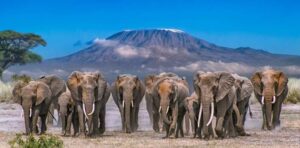
Kenya is one of Africa’s most celebrated safari destinations, famous for its extraordinary wildlife, beautiful landscapes and memorable game-viewing experiences. From the vast savannah plains of southern Kenya to the rugged wilderness of Tsavo and the mountain scenery of Amboseli, the country offers a remarkable variety of places to explore.
If you are planning a wildlife holiday, knowing the most popular national parks in Kenya will help you choose destinations that match your interests, travel time and budget.
Kenya’s protected areas offer opportunities to see elephants, lions, giraffes, zebras, rhinos, buffaloes and numerous bird species. Some destinations are especially attractive for photography, while others are known for bird watching, mountain scenery, walking experiences or encounters with distinctive wildlife.
The famous Maasai Mara National Reserve is also an essential consideration for many safari travelers, particularly those interested in the Great Migration. Although it is a national reserve rather than a national park, it is one of Kenya’s best-known wildlife destinations.
At Mambo Gorilla Safaris Uganda, we help travelers plan customized East African safari experiences, including Kenya wildlife holidays that can be combined with gorilla trekking and other adventures in Uganda or Rwanda.
Quick Answer: What Are the Most Popular National Parks in Kenya?
Some of the most popular national parks in Kenya include:
- Amboseli National Park – famous for elephants and views of Mount Kilimanjaro.
- Tsavo East National Park – known for its vast landscapes, red-dust elephants and wildlife.
- Tsavo West National Park – features rugged scenery, volcanic landscapes and Mzima Springs.
- Lake Nakuru National Park – renowned for birdlife, rhinos and scenic lake landscapes.
- Nairobi National Park – offers wildlife viewing close to Kenya’s capital.
- Mount Kenya National Park – attracts hikers, climbers and mountain scenery enthusiasts.
- Aberdare National Park – features montane forests, moorlands and varied wildlife.
- Hell’s Gate National Park – popular for dramatic gorges, cycling and walking experiences.
Other notable destinations include Meru National Park, Samburu National Reserve and the world-famous Maasai Mara National Reserve.
Kenya’s parks and reserves are diverse, so the best choice depends on the wildlife, scenery and activities you want to experience.
1. Amboseli National Park
Amboseli National Park is one of Kenya’s most recognizable safari destinations. Located in southern Kenya near the Tanzania border, it is particularly famous for large elephant herds and views of Mount Kilimanjaro on clear days.
The park’s open plains, wetlands and seasonal water sources attract wildlife throughout the year, making it a popular choice for photographers and travelers seeking classic African safari scenery.
What makes Amboseli special?
Amboseli is especially known for its elephants. Visitors may observe family groups moving across the plains, feeding in woodland areas or gathering near water.
Other wildlife that may be seen includes:
- Lions
- Zebras
- Wildebeest
- Buffaloes
- Giraffes
- Various antelope species
- A wide variety of birds
Wildlife sightings vary according to season, weather and animal movements.
Best activities in Amboseli
Popular activities include guided game drives, wildlife photography, bird watching and enjoying scenic views of Mount Kilimanjaro.
For travelers who want dramatic photographs, the combination of elephants and the mountain backdrop can be a major highlight.
Best for: Elephant viewing, wildlife photography, couples and first-time safari travelers.
2. Tsavo East National Park
Tsavo East National Park is one of Kenya’s major protected areas and is known for its expansive landscapes, open plains and distinctive red soil.
The park forms part of the wider Tsavo ecosystem, which supports a variety of wildlife and provides a sense of space that many safari travelers appreciate.
What can you see in Tsavo East?
Depending on the season and wildlife movements, visitors may encounter:
- Elephants
- Lions
- Giraffes
- Zebras
- Buffaloes
- Antelopes
- Ostriches and other birds
Tsavo’s elephants are often associated with the reddish appearance they acquire from dusting themselves with the local soil.
Activities in Tsavo East
The main activity is the guided game drive, which allows visitors to explore different habitats and search for wildlife.
Photography, bird watching and scenic exploration can also be part of the experience.
Tsavo East is especially suitable for travelers who prefer expansive wilderness and a safari that feels different from the more densely visited circuits.
Best for: Wildlife photography, elephants, open landscapes and longer Kenya safaris.
3. Tsavo West National Park
Tsavo West National Park offers a different landscape from its eastern counterpart. The park features rugged hills, volcanic formations, natural springs, woodland and dramatic scenery.
It is an excellent option for travelers who want to combine wildlife viewing with geological and landscape attractions.
Top attractions in Tsavo West
One of the best-known features is Mzima Springs, where clear water emerges from underground sources and supports aquatic life. The springs provide an opportunity to appreciate the relationship between water, wildlife and the surrounding ecosystem.
Other highlights include scenic viewpoints, volcanic landscapes and wildlife habitats that can be explored on guided game drives.
Wildlife in Tsavo West
Depending on conditions, visitors may see elephants, buffaloes, giraffes, zebras, antelopes and predators.
The park’s vegetation and terrain can make wildlife viewing different from the more open plains of Amboseli or parts of Tsavo East.
Best for: Scenic drives, natural springs, geology and travelers who want a varied landscape.
4. Lake Nakuru National Park
Lake Nakuru National Park is a popular destination in Kenya’s Great Rift Valley. It is known for its lake scenery, birdlife and important rhino conservation areas.
The park combines the lake and surrounding habitats with woodland, grassland and viewpoints that make it attractive for photography.
What is Lake Nakuru famous for?
Lake Nakuru has long been associated with flamingos, although their numbers vary with water conditions, food availability and other environmental factors. Visitors should not assume that huge flamingo gatherings will always be present.
The park is also recognized for protecting both black and white rhinos.
Other wildlife may include:
- Buffaloes
- Giraffes
- Zebras
- Antelopes
- Lions
- Numerous bird species
Activities in Lake Nakuru National Park
Visitors can enjoy guided game drives, bird watching, wildlife photography and scenic stops overlooking the lake.
Its relatively compact layout can make Lake Nakuru a useful destination for travelers who want to include wildlife viewing within a shorter itinerary.
Best for: Bird watching, rhino conservation, photography and Great Rift Valley scenery.
For current park information, consult Kenya Wildlife Service’s Lake Nakuru National Park page.
5. Nairobi National Park
Nairobi National Park offers one of Kenya’s most unusual safari settings: protected wildlife habitat close to a major city.
Located near Nairobi’s urban centre, the park allows travelers to enjoy a game drive without first undertaking a long journey to a remote safari destination.
The contrast between open grasslands and the city skyline makes it particularly distinctive.
Wildlife in Nairobi National Park
Depending on conditions, visitors may see:
- Black rhinos
- Lions
- Giraffes
- Buffaloes
- Zebras
- Antelopes
- A variety of birds
Sightings are never guaranteed, and the experience depends on wildlife movements and the timing of your visit.
Why visit Nairobi National Park?
The park is ideal for travelers with limited time, visitors arriving or departing through Nairobi, and people who want to add a safari activity before or after a longer Kenya holiday.
A guided game drive is the main activity. Visitors should check current entry requirements and park operating information before arriving.
Best for: Short safaris, stopovers, photographers and travelers with limited time.
6. Mount Kenya National Park
Mount Kenya National Park protects the landscapes around Mount Kenya, Africa’s second-highest mountain.
Unlike the savannah parks associated with traditional game drives, this destination is particularly attractive to hikers, climbers and travelers interested in mountain environments.
Its scenery includes forest, bamboo zones, alpine vegetation and high-altitude terrain.
What can you do in Mount Kenya National Park?
Depending on your chosen route and fitness, activities may include:
- Guided mountain trekking
- Hiking through forested trails
- Bird watching
- Nature photography
- Exploring mountain vegetation zones
- Multi-day climbing expeditions
Reaching the highest peaks requires careful preparation, suitable equipment and appropriate guiding arrangements. Not every visitor needs to attempt a summit to enjoy the mountain.
Who should visit Mount Kenya?
Mount Kenya is especially suited to adventure travelers who want something different from a wildlife-focused safari.
It can also be included in a longer itinerary that combines mountain activities with national parks and other destinations.
Best for: Hikers, climbers, nature lovers and mountain photography.
7. Aberdare National Park
Aberdare National Park protects a varied mountain landscape in central Kenya. Its habitats include indigenous forest, bamboo, moorland, streams and waterfalls.
The park offers a different atmosphere from Kenya’s open savannah reserves, with lush vegetation and cooler highland conditions in many areas.
What makes Aberdare special?
The park is known for its forest scenery, waterfalls and wildlife habitats. Depending on location and conditions, visitors may encounter elephants, buffaloes, antelopes and various forest-associated species.
Bird watching is another rewarding activity for visitors interested in Kenya’s highland ecosystems.
Activities in Aberdare National Park
Visitors can explore suitable routes with authorized guides, enjoy scenic viewpoints and stay at accommodation designed around forest or wildlife viewing.
Some lodges provide viewing areas where guests may observe animals visiting water or feeding locations, although sightings depend on wildlife movements.
Best for: Forest landscapes, bird watching, waterfalls and travelers looking for a quieter mountain safari.
8. Hell’s Gate National Park
Hell’s Gate National Park is one of Kenya’s distinctive outdoor destinations. Located near Lake Naivasha in the Great Rift Valley, it is known for dramatic rock formations, cliffs, gorges and geothermal features.
Unlike many wildlife parks where visitors primarily remain in vehicles, Hell’s Gate is famous for selected activities that allow closer exploration of the landscape on foot or by bicycle.
Things to do in Hell’s Gate
Depending on current access and safety conditions, activities may include:
- Cycling along designated routes
- Walking and hiking in permitted areas
- Viewing dramatic cliffs and rock formations
- Bird watching
- Wildlife viewing
- Exploring suitable scenic locations with a guide
The park is not primarily a Big Five destination, so travelers should choose it for its landscapes, outdoor activities and geological interest rather than expecting the same wildlife experience as the Maasai Mara or Amboseli.
Best for: Active travelers, hikers, cyclists, photographers and visitors exploring Lake Naivasha.
9. Meru National Park
Meru National Park is a rewarding choice for travelers who want to explore a less familiar part of Kenya’s safari landscape.
The park features a mixture of savannah, woodland, rivers and other habitats that support diverse wildlife.
Its varied terrain provides opportunities for guided game drives, bird watching and nature photography.
Why visit Meru National Park?
Meru offers a different atmosphere from Kenya’s most heavily marketed safari destinations. It appeals to visitors who want to explore additional wildlife areas and spend time in a diverse natural environment.
Depending on conditions, wildlife may include elephants, buffaloes, giraffes, antelopes and predators.
Best for: Travelers seeking a less conventional safari route, birders and visitors planning a longer Kenya wildlife holiday.
10. Other Kenyan Parks and Reserves Worth Considering
Kenya has many additional protected areas that offer worthwhile experiences depending on your interests.
Samburu National Reserve
Samburu National Reserve is known for its semi-arid landscapes and distinctive wildlife community. Visitors may encounter species such as Grevy’s zebra, reticulated giraffe and gerenuk, although sightings depend on conditions.
It is a strong choice for travelers interested in northern Kenya’s scenery and wildlife.
Mount Elgon National Park
Mount Elgon National Park protects a mountain landscape on the Kenya-Uganda border. It is attractive for hiking, forest exploration, caves and scenic mountain environments.
It may suit travelers who want a quieter outdoor adventure rather than a conventional savannah safari.
Kisite-Mpunguti Marine National Park
For travelers interested in coastal wildlife, Kisite-Mpunguti offers marine scenery, coral reefs and opportunities for boat-based experiences. Activities depend on local conditions, conservation rules and available operators.
This destination works well for visitors combining a wildlife safari with Kenya’s Indian Ocean coast.
Kenya’s official protected-area listings provide further options for building a customized itinerary.
Is the Maasai Mara a National Park?
No. The Maasai Mara is officially a national reserve, not a national park. However, it is one of Kenya’s most famous safari destinations and should be included in any discussion of the country’s leading wildlife areas.
The reserve is celebrated for its open grasslands, large wildlife populations and the annual Great Migration, when huge numbers of wildebeest and zebras move through the wider Serengeti-Mara ecosystem.
What can you see in the Maasai Mara?
Depending on the season and location, wildlife may include:
- Lions
- Leopards
- Elephants
- Buffaloes
- Cheetahs
- Zebras
- Wildebeest
- Giraffes
- Numerous bird species
The timing and location of the Great Migration vary. Travelers should avoid assuming that river crossings or large herds will be present on a particular day.
Best activities in the Maasai Mara
Game drives are the main activity. Other experiences may include guided cultural visits arranged with local communities and, where permitted and available, balloon safaris.
Best for: Classic African safaris, big-cat viewing, wildlife photography and travelers hoping to experience the Great Migration.
Official Kenyan tourism resources also highlight the Maasai Mara as a leading safari destination. https://tourkenya.go.ke/wildlife-safaris/
Which National Park in Kenya Is Best for Your Safari?
The right destination depends on what you most want to experience.
| Your interest | Recommended destination |
|---|---|
| Elephants and Mount Kilimanjaro views | Amboseli National Park |
| Wide open landscapes and elephants | Tsavo East National Park |
| Springs and rugged scenery | Tsavo West National Park |
| Rhinos and bird watching | Lake Nakuru National Park |
| A short safari near a major city | Nairobi National Park |
| Mountain hiking and climbing | Mount Kenya National Park |
| Forests and waterfalls | Aberdare National Park |
| Cycling and dramatic gorges | Hell’s Gate National Park |
| Northern Kenya wildlife | Samburu National Reserve |
| Great Migration and big cats | Maasai Mara National Reserve |
| Marine wildlife and coral reefs | Kisite-Mpunguti Marine National Park |
No single park is best for everyone. Travelers who have more time can combine two or more destinations to enjoy different habitats and wildlife experiences.
Suggested 7-Day Kenya Wildlife Safari Itinerary
A seven-day itinerary can combine several of Kenya’s best-known wildlife destinations. The route below is an example and should be adjusted according to your arrival point, accommodation, travel dates and preferred pace.
Day 1: Arrive in Nairobi
Arrive in Nairobi, meet your safari representative and transfer to your accommodation.
Depending on your arrival time, you may be able to arrange a visit to Nairobi National Park or simply rest before starting your safari.
Overnight: Nairobi.
Day 2: Travel to Amboseli National Park
Travel to Amboseli and enjoy the changing scenery on the way.
Depending on arrival time and park access, you may have an afternoon game drive in search of elephants and other wildlife.
Overnight: Amboseli area.
Day 3: Explore Amboseli
Enjoy morning and afternoon wildlife viewing, with time to appreciate the park’s landscapes and views of Mount Kilimanjaro when conditions are clear.
Overnight: Amboseli area.
Day 4: Travel Toward the Maasai Mara Region
Transfer toward the Maasai Mara region. This is a substantial journey, so plan carefully and consider a flight or an intermediate overnight stay if you prefer to reduce driving time.
Overnight: Maasai Mara area or a suitable stop along the route.
Day 5: Game Drives in the Maasai Mara
Explore the reserve with a guide and search for wildlife across its grasslands.
Your guide can help choose suitable areas based on recent wildlife information, season and local conditions.
Overnight: Maasai Mara area.
Day 6: Continue Wildlife Viewing
Enjoy another game drive or a suitable optional activity before beginning the next stage of your journey.
Overnight: Maasai Mara area or Nairobi, depending on your departure plans.
Day 7: Return to Nairobi and Depart
Travel back to Nairobi or transfer to the airport, allowing enough time for the journey and check-in.
Planning note: This itinerary involves substantial road travel, particularly between Amboseli and the Maasai Mara. For a more relaxed experience, consider focusing on two regions or extending your holiday.
How Much Does a Kenya National Parks Safari Cost?
The cost of a Kenya safari varies according to the destinations, season, accommodation and activities included.
Factors that influence the price include:
- Number of travelers
- Length of the safari
- Accommodation category
- Private or shared transportation
- Park and reserve entry fees
- Guide services
- Domestic flights, where applicable
- Meals and other inclusions
- Optional activities
Park charges and entry requirements can change, so confirm current fees for your travel dates before booking.
Request an itemized quotation to understand which costs are included and which are payable separately. This is especially important when comparing budget, mid-range and luxury safari packages.
Best Time to Visit Kenya’s National Parks
Kenya’s national parks can be visited throughout the year, but weather and seasonal wildlife movements influence the experience.
The best travel period depends on the destination and the activities you want to enjoy.
For example:
- Maasai Mara: Migration activity changes throughout the year; large herds and river crossings are not guaranteed.
- Amboseli: Wildlife viewing and mountain visibility vary with weather and conditions.
- Lake Nakuru: Birdlife and lake conditions change over time.
- Tsavo: Wildlife viewing is influenced by water availability, vegetation and animal movements.
- Mount Kenya: Hiking and climbing require careful attention to weather and trail conditions.
- Hell’s Gate: Outdoor activities depend on current weather, access and safety guidance.
Ask your safari planner to match your travel dates to your priorities rather than relying on a single month as the best time for every park.
What Should You Pack for a Kenya Safari?
Pack according to your destination and planned activities.
Useful items include:
- Lightweight, comfortable clothing
- Neutral-colored clothing for game drives
- Comfortable walking shoes
- A warm layer for early mornings
- A hat or cap
- Sunscreen
- Insect repellent
- Binoculars
- A camera and spare batteries
- Reusable water bottle
- Personal medication
- Waterproof clothing where needed
For mountain trekking, bring suitable hiking equipment and obtain advice on route-specific requirements. For a coastal extension, include appropriate beach clothing and sun protection.
Can You Combine Kenya National Parks With Uganda Gorilla Trekking?
Yes. Kenya and Uganda can be combined into a wider East African safari, making it possible to experience classic savannah wildlife and mountain gorillas on the same holiday.
A possible itinerary might include:
Maasai Mara + Amboseli + Bwindi Impenetrable National Park.
Depending on your travel dates, budget and available permits, you could also include Queen Elizabeth National Park or chimpanzee tracking in Uganda.
Cross-border itineraries require careful coordination of flights or road transfers, entry requirements, accommodation and activity permits. Gorilla trekking permits must be confirmed before the itinerary is finalized.
Mambo Gorilla Safaris Uganda can help plan the Uganda portion and coordinate a wider East African safari according to your preferences.
Why Plan Your Kenya Safari With Mambo Gorilla Safaris Uganda?
Choosing the right parks is only the first step. A successful safari also depends on sensible routing, suitable accommodation, reliable transportation and enough time to enjoy each destination.
Mambo Gorilla Safaris Uganda helps travelers plan personalized East African wildlife and primate holidays around their interests, schedule and budget.
Your itinerary can be designed around Kenya’s leading wildlife destinations and, if you wish, extended to Uganda or Rwanda for gorilla trekking and other primate experiences.
When requesting a safari quotation, share your travel dates, group size, accommodation preferences and the animals or activities you most want to experience.
Visit the Mambo Gorilla Safaris Uganda website to begin planning your East African adventure.
Frequently Asked Questions About Popular National Parks in Kenya
What are the most popular national parks in Kenya?
Popular choices include Amboseli National Park, Tsavo East National Park, Tsavo West National Park, Lake Nakuru National Park, Nairobi National Park, Mount Kenya National Park, Aberdare National Park and Hell’s Gate National Park.
The Maasai Mara National Reserve is also one of Kenya’s most famous safari destinations, although it is a reserve rather than a national park.
Which national park in Kenya is best for elephants?
Amboseli is especially well known for its elephants and views of Mount Kilimanjaro. Tsavo East and Tsavo West are also important elephant destinations.
Where is the best place to see rhinos in Kenya?
Lake Nakuru National Park is recognized for its black and white rhino conservation areas. Nairobi National Park is another destination where rhinos may be seen.
Which Kenyan park is best for the Great Migration?
The Maasai Mara National Reserve is Kenya’s best-known destination for the Great Migration. The timing and location of the herds change, so sightings and river crossings cannot be guaranteed.
Can I visit Kenya’s national parks on a short safari?
Yes. Nairobi National Park can suit a short visit, while Amboseli or other destinations may be included in a two- or three-day safari depending on your starting point and travel arrangements.
How many days are needed to explore Kenya’s national parks?
A short trip can cover one destination, while a week or longer allows you to combine several parks. The best duration depends on travel distances, your budget and the experiences you want.
Are Kenya’s national parks suitable for families?
Many parks can be suitable for families, but the best choice depends on children’s ages, accommodation rules, travel times and the activities available. Confirm age requirements for specific experiences before booking.
Can I combine a Kenya safari with Uganda or Rwanda?
Yes. East African itineraries can combine Kenya’s savannah wildlife with gorilla trekking or other primate experiences in Uganda or Rwanda. Check current immigration requirements and permit availability before confirming travel.
Final Thoughts: Discover the Best National Parks in Kenya
Kenya offers a remarkable range of protected landscapes, each with its own wildlife, scenery and activities.
From elephant encounters in Amboseli and dramatic wilderness in Tsavo to rhino conservation at Lake Nakuru, mountain adventures at Mount Kenya and wildlife viewing close to Nairobi, there is a destination for almost every type of traveler.
The Maasai Mara National Reserve adds another outstanding option for travelers interested in big cats and the Great Migration.
Plan your Kenya wildlife safari with Mambo Gorilla Safaris Uganda. Choose the parks that best match your interests, and consider extending your trip to Uganda or Rwanda for a wider East African adventure.


