Email: info@mambogorillasafarisuganda.com | Call: +256772666331

The Best Wildlife in Kenya: Animals, National Parks and Safari Experiences

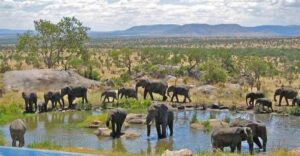
Kenya is one of Africa’s most celebrated wildlife destinations, offering extraordinary opportunities to see wild animals in their natural habitats. From lions resting on the open plains of the Maasai Mara to elephants moving across Amboseli beneath the distant outline of Mount Kilimanjaro, Kenya provides some of the continent’s most memorable safari experiences.
The country’s wildlife is not limited to the famous Big Five. Visitors can also look for cheetahs, giraffes, zebras, wildebeest, hippos, crocodiles, rare northern species and hundreds of bird species across different ecosystems.
If you are planning a wildlife holiday, discovering the best wildlife in Kenya begins with choosing the right national parks and reserves for the animals you most want to see.
At Mambo Gorilla Safaris Uganda, we help travelers plan customized East African safari holidays that can combine Kenya’s wildlife with Uganda’s mountain gorilla trekking, chimpanzee tracking and other unforgettable experiences.
Why Is Kenya Famous for Its Wildlife?
Kenya is famous for its diverse wildlife, protected landscapes and long-established safari destinations. Its habitats include savannah grasslands, acacia woodlands, wetlands, mountain forests, semi-arid regions and marine environments.
This diversity supports many different species, each adapted to its particular environment.
Kenya is especially well known for:
- The Big Five: lions, leopards, elephants, rhinoceroses and African buffaloes
- The Great Wildebeest Migration in the Maasai Mara ecosystem
- Large elephant herds in Amboseli
- Rhinoceros conservation in selected protected areas
- Cheetahs, giraffes, zebras and numerous antelope species
- Hippos and crocodiles in suitable rivers and wetlands
- Exceptional bird watching
- Rare wildlife species in northern Kenya
Kenya Wildlife Service manages many of the country’s national parks and protected areas, while the Maasai Mara and other reserves have their own management arrangements. Together, these landscapes provide a wide range of wildlife-viewing opportunities.
1. Lions: One of the Best Animals to See in Kenya
Lions are among the most sought-after animals on an African safari. Kenya offers opportunities to observe them in several wildlife destinations, particularly in the Maasai Mara and other suitable savannah habitats.
These powerful predators live in social groups called prides. During a game drive, you may see lions resting in the shade, interacting with other pride members, caring for cubs or moving across the grasslands.
Where can you see lions in Kenya?
Popular destinations for lion viewing include:
- Maasai Mara National Reserve: Famous for its open plains and diverse predators.
- Amboseli National Park: Offers opportunities to look for lions among savannah and woodland habitats.
- Tsavo East and Tsavo West: Vast landscapes with varied wildlife habitats.
- Nairobi National Park: A convenient option for visitors staying in the capital.
Lion sightings are never guaranteed. The chances of seeing them depend on the season, location, time spent on game drives and the animals’ movements.
Safari tip: Early morning and late-afternoon game drives can be productive because many animals are more active during cooler periods.
2. African Elephants: Discover Kenya’s Gentle Giants
African elephants are among the most impressive animals to encounter on a Kenyan safari.
They live in family groups, communicate through sounds and body movements, and depend on large landscapes that provide food, water and room to move.
Kenya is especially famous for its elephant populations in Amboseli National Park and the wider Tsavo ecosystem.
Amboseli National Park
Amboseli is renowned for elephant viewing, with Mount Kilimanjaro providing a dramatic backdrop when weather conditions allow clear views.
The park’s grasslands, woodlands and wetlands support elephants and other wildlife, making it an excellent destination for wildlife photographers.
Tsavo National Parks
Tsavo East and Tsavo West cover extensive landscapes and are known for their elephants, distinctive scenery and varied habitats.
Elephants in Tsavo may appear reddish because the soil can coat their skin. The colour is largely due to dust and mud rather than a different elephant species.
What makes elephant safaris special?
You may observe elephants feeding, walking between habitats, interacting within family groups or visiting water sources. Always keep a safe distance and follow your guide’s instructions.
For many visitors, seeing elephants in the wild is one of the highlights of the best wildlife experiences in Kenya.
3. Leopards: Elusive Predators of the Kenyan Wilderness
Leopards are beautiful, adaptable cats known for their spotted coats, stealth and ability to climb trees.
Unlike lions, leopards often live alone and can be difficult to spot because they hide in vegetation or rest in trees during the day.
They occur in a range of Kenyan habitats, including woodlands, riverine vegetation and suitable savannah environments.
Where can you look for leopards?
The Maasai Mara, Samburu, Tsavo and other suitable wildlife areas offer opportunities to search for leopards.
However, leopard sightings are often less predictable than sightings of larger, more conspicuous animals.
A knowledgeable guide can help identify signs such as tracks, alarm calls from other animals and likely resting places.
Photography tip: Bring binoculars or a camera with a suitable zoom lens, and avoid asking a driver to approach a leopard too closely for a photograph.
4. Rhinoceroses: An Important Conservation Highlight
Rhinoceroses are among Kenya’s most significant conservation species. Both black and white rhinoceroses are found in selected protected areas, with their distribution varying by location and conservation programme.
Because rhinos have faced severe pressure from poaching and habitat loss, protected areas and conservation initiatives play an important role in their survival.
Where can you see rhinos in Kenya?
Potential destinations include:
- Lake Nakuru National Park: Known for rhino conservation and a variety of other wildlife.
- Ol Pejeta Conservancy: A major conservation destination with important rhino protection programmes.
- Nairobi National Park: Provides opportunities to see rhinos relatively close to the capital.
- Selected private conservancies: Sightings depend on the area and current conservation arrangements.
Rhinos are not equally easy to find in every park. Confirm the current wildlife-viewing opportunities when selecting your itinerary.
A visit to a conservation area can also provide insight into the work required to protect endangered species and maintain viable wildlife populations.
5. African Buffaloes: Powerful Members of the Big Five
African buffaloes are large, strong herbivores that often live in herds. They are an important part of Kenya’s savannah ecosystems and one of the Big Five animals.
They can be encountered in several parks and reserves, including the Maasai Mara, Amboseli and Tsavo.
Buffaloes may be seen grazing on open grasslands, resting near water or moving through woodland. Large herds can be impressive to observe, but buffaloes are powerful wild animals and should never be approached on foot without an authorized, guided activity.
A good safari guide will position the vehicle responsibly and allow you to observe the herd without disturbing it.
6. Cheetahs: Speed and Grace on the Savannah
Cheetahs are famous for their speed and slender build. They hunt mainly by pursuing prey across open terrain, making grassland habitats particularly important.
Kenya’s Maasai Mara is one of the country’s best-known destinations for cheetah viewing. Other suitable habitats may also support cheetahs.
During a safari, you may see a cheetah scanning the plains from a termite mound, resting in the shade or moving through grassland while searching for prey.
Sightings depend on wildlife movements and conditions, so it is best to allow enough time for multiple game drives rather than expecting to find a cheetah immediately.
7. Giraffes: Tall and Graceful Wildlife
Giraffes are among the most recognizable animals in Africa. Their long necks, distinctive coats and elegant movements make them a favourite among wildlife photographers.
Kenya is home to several giraffe species and populations, including Masai giraffes and northern populations such as reticulated giraffes.
Where can you see giraffes?
Depending on the species and location, visitors may see giraffes in:
- Maasai Mara
- Amboseli
- Tsavo
- Samburu and other northern wildlife destinations
- Nairobi National Park
Different giraffe species have different distributions, so the best destination depends on which one you hope to see.
Giraffes are often easier to observe in open habitats, where their height makes them visible above shrubs and trees.
8. Zebras: A Classic Feature of Kenya’s Savannah
Zebras are common highlights on many Kenyan safaris. Their black-and-white stripes make them easy to recognize, and they often graze in groups across open grasslands.
Kenya is home to plains zebras and Grevy’s zebras. Grevy’s zebra is a rarer species associated mainly with northern Kenya and is distinguishable by its narrower stripes and larger ears.
Where can you see zebras?
- Maasai Mara: Known for plains zebras and seasonal migration activity.
- Amboseli: Offers opportunities to see zebras among other savannah herbivores.
- Samburu and northern Kenya: Important areas to learn about and look for Grevy’s zebras.
- Tsavo: Supports plains zebras across suitable habitats.
Zebras are also important to the wider ecosystem because they form part of the prey base for large carnivores.
9. Wildebeest and the Great Migration
The Great Wildebeest Migration is one of the most famous wildlife spectacles associated with Kenya.
Large numbers of wildebeest and other grazing animals move through the Serengeti–Mara ecosystem in response to rainfall, fresh grass and water availability. The movement is seasonal and does not follow an exact timetable.
The Maasai Mara is an important part of this wider ecosystem, and migrating herds may enter the reserve from Tanzania during part of the year.
What can you expect during migration season?
Depending on the timing and location, visitors may encounter:
- Large wildebeest herds
- Zebras moving with grazing animals
- Predators following the herds
- Dramatic river-crossing activity in suitable locations
- Excellent wildlife photography opportunities
River crossings are unpredictable. Animals may gather at a riverbank for hours or cross at a different location, so sightings should never be guaranteed.
For travelers hoping to experience the migration, the most important step is to select dates based on current seasonal information and remain flexible.
10. Hippos and Crocodiles: Wildlife Around Water
Kenya’s rivers, lakes and wetlands support aquatic wildlife, including hippos and crocodiles.
Hippos spend much of the day in water to regulate their body temperature and may emerge to feed at night. Nile crocodiles inhabit suitable rivers and water bodies and are important predators in these ecosystems.
Where can you see them?
Depending on current conditions and access arrangements, visitors may look for hippos and crocodiles around:
- The Mara River
- Selected rivers in Tsavo
- Lakes and wetlands in suitable protected areas
- Waterways where guided boat excursions are permitted
Never enter water inhabited by hippos or crocodiles unless an authorized activity has specific safety arrangements. Observe from designated viewpoints or approved boats, and follow your guide’s instructions.
11. Birds: Kenya’s Remarkable Avian Diversity
Kenya is a rewarding destination for bird watchers. Its habitats range from wetlands and lakes to forests, mountains and open savannahs, attracting resident and migratory bird species.
Depending on the location, birders may look for:
- Flamingos
- African fish eagles
- Secretarybirds
- Ostriches
- Kingfishers
- Herons
- Bee-eaters
- Hornbills
- Sunbirds and other woodland species
Lake Nakuru is well known for birdlife, although flamingo numbers and distribution vary with water conditions and food availability.
Amboseli, Samburu, the Maasai Mara and Kenya’s forested and coastal regions also offer distinctive birding opportunities.
If bird watching is a priority, consider booking a specialist guide who can help identify species and select suitable habitats.
12. Rare and Distinctive Wildlife in Northern Kenya
Northern Kenya offers a different wildlife experience from the classic southern savannah circuit.
Samburu National Reserve and the surrounding region are known for several distinctive species that are sometimes grouped informally as the “Samburu Special Five.”
These include:
- Grevy’s zebra
- Reticulated giraffe
- Beisa oryx
- Gerenuk
- Somali ostrich
The exact animals you see will depend on the area, wildlife movements and local conditions. Northern Kenya is particularly attractive to travelers who want to look beyond the best-known Big Five destinations.
The region also offers striking scenery, dry-country vegetation and opportunities to learn about pastoral communities and conservation landscapes.
Best National Parks and Reserves for Wildlife in Kenya
Choosing the right destination can make a major difference to your safari. Each park has its own habitats, wildlife strengths and travel considerations.
Maasai Mara National Reserve
The Maasai Mara is one of Kenya’s most famous safari destinations. Its open grasslands support lions, cheetahs, leopards, elephants, buffaloes, giraffes, zebras and many other species.
It is especially well known for the Great Wildebeest Migration and predator viewing.
Best for: Big Five wildlife viewing, migration experiences, photography and classic savannah safaris.
Amboseli National Park
Amboseli is famous for elephant herds and views of Mount Kilimanjaro when the weather is clear.
The park’s wetlands, plains and woodlands attract a variety of wildlife and birds.
Best for: Elephant viewing, landscape photography and a classic safari setting.
Lake Nakuru National Park
Lake Nakuru is known for birdlife and rhino conservation. It also supports other mammals, including giraffes, buffaloes and predators in suitable habitats.
Best for: Rhino-focused wildlife viewing, bird watching and combining with other Rift Valley destinations.
Samburu National Reserve
Samburu offers dry-country scenery and opportunities to look for northern Kenya’s distinctive wildlife, including Grevy’s zebra, reticulated giraffe, gerenuk and Beisa oryx.
Best for: Rare species, birding, distinctive landscapes and a less conventional safari route.
Tsavo East and Tsavo West National Parks
Together, Tsavo’s parks protect a vast and varied landscape of semi-arid plains, woodland, rivers, springs and volcanic features.
Tsavo East is known for its expansive wilderness and elephants, while Tsavo West offers features such as Mzima Springs, lava landscapes and a range of wildlife habitats.
Best for: Expansive landscapes, elephants, diverse wildlife and travelers seeking a less concentrated safari environment.
Nairobi National Park
Nairobi National Park offers an unusual opportunity to see wildlife close to Kenya’s capital city.
The park’s open landscapes provide opportunities to look for lions, rhinos, giraffes, buffaloes and other wildlife, with the city skyline creating a distinctive backdrop.
Best for: Short visits, travelers with limited time and a wildlife experience before or after an international flight.
Kenya Wildlife Service provides official information about its parks and reserves through its national parks directory.
What Is the Best Time to See Wildlife in Kenya?
Kenya can offer rewarding wildlife experiences throughout the year, but seasonal conditions influence where animals are found and how easy they are to observe.
Generally drier periods can make wildlife easier to locate around water sources in some parks. Rainier periods can bring greener scenery, seasonal movement and excellent bird watching, although some roads may become more difficult.
For the Great Wildebeest Migration, the timing of the herds’ presence in the Maasai Mara varies from year to year. River crossings are especially unpredictable.
When planning your safari, consider:
- The species you most want to see
- Your preferred parks and reserves
- Current seasonal conditions
- Road and air-transfer arrangements
- Accommodation availability
- The number of game drives you can include
For the best chance of varied sightings, spend more than one day in a wildlife destination whenever your budget allows. More time in the field gives your guide additional opportunities to locate different species.
How to Plan a Kenya Wildlife Safari
A well-planned wildlife safari should match your interests, budget and travel schedule.
Step 1: Choose Your Priority Animals
Decide whether your main interest is the Big Five, elephants, rhinos, cheetahs, migratory herds, rare northern species or birds.
This helps determine which parks should be included.
Step 2: Select Suitable Parks
For example, the Maasai Mara is a strong option for classic savannah wildlife and migration experiences, while Amboseli is particularly well known for elephants.
If you want northern species, consider Samburu. If you have limited time in Nairobi, the nearby national park may be appropriate.
Step 3: Decide How Many Days You Need
A short safari can focus on one park, while a longer itinerary allows you to combine several destinations.
Remember that transfers between parks can take substantial time. Avoid including too many destinations in a short trip.
Step 4: Choose Accommodation and Transport
Accommodation options range from budget camps to luxury lodges. Your choice affects the overall cost, location and daily schedule.
Private road transfers, shared transport and domestic flights may all be options depending on the route and budget.
Step 5: Confirm Current Fees and Booking Conditions
Park fees, conservancy charges, accommodation rates and other costs can change. Confirm the current amounts and what is included before making payment.
What Does a Kenya Wildlife Safari Cost?
The price of a Kenya wildlife safari depends on the length of the trip, number of travelers, park selection, accommodation and transport.
Important cost factors include:
- National park and reserve fees
- Conservancy fees where applicable
- Accommodation and meals
- Private or shared safari vehicle
- Domestic flights, if required
- Guide services
- Seasonal accommodation demand
- Optional activities and cultural visits
A safari focused on one park may cost less than an itinerary involving several destinations and domestic flights. Luxury lodges and private conservancies can also increase the total budget.
Request an itemized quotation so you can see which services are included and which costs are additional.
Can You Combine Kenya Wildlife With a Uganda Gorilla Safari?
Yes. Kenya and Uganda can be combined into one East African holiday for travelers who want both savannah wildlife and mountain gorilla trekking.
A combined itinerary might include:
Kenya wildlife safari + Uganda gorilla trekking + chimpanzee tracking.
In Kenya, you could explore the Maasai Mara, Amboseli or another suitable wildlife destination. In Uganda, you could continue to Bwindi Impenetrable National Park or Mgahinga Gorilla National Park for mountain gorilla trekking.
Depending on your schedule, you may also include chimpanzee tracking or other wildlife parks in Uganda.
Cross-border itineraries require advance planning for flights, permits, passports and immigration requirements. Gorilla permits should be confirmed for the intended travel dates before finalizing the rest of the itinerary.
Mambo Gorilla Safaris Uganda can help coordinate a customized regional safari around your preferred activities, budget and travel dates.
Responsible Wildlife Viewing in Kenya
Responsible tourism helps protect Kenya’s wildlife and the habitats on which animals depend.
Follow these principles during your safari:
- Respect animal space. Never pressure a driver to approach wildlife too closely.
- Follow your guide’s instructions. Remain in the vehicle unless your guide confirms that leaving is permitted.
- Avoid disturbing animals. Do not shout, chase wildlife or block animals’ movements.
- Keep habitats clean. Take rubbish with you and follow park rules on waste.
- Choose responsible operators. Ask about conservation practices and local community benefits.
- Respect local communities. Ask permission before taking photographs of people.
- Support conservation. Use authorized accommodation, guides and tourism services.
Wildlife is unpredictable. A responsible safari prioritizes animal welfare and visitor safety over obtaining a particular photograph or sighting.
Why Book Your East African Safari With Mambo Gorilla Safaris Uganda?
A memorable safari depends on choosing suitable destinations, allowing enough time for wildlife viewing and coordinating transportation, accommodation and activities.
Mambo Gorilla Safaris Uganda can help you plan a customized East African holiday that combines Kenya’s wildlife with Uganda’s primate experiences.
Depending on your interests, your itinerary may include:
- Kenya’s Big Five wildlife destinations
- Maasai Mara safari experiences
- Elephant viewing in Amboseli
- Northern Kenya wildlife
- Mountain gorilla trekking in Uganda
- Chimpanzee tracking
- Uganda’s national parks and scenic destinations
Whether you are planning a short wildlife holiday or a longer regional adventure, share your preferred dates, group size, accommodation level and must-see animals to begin planning.
Frequently Asked Questions About the Best Wildlife in Kenya
What is Kenya famous for in terms of wildlife?
Kenya is famous for the Big Five, the Great Wildebeest Migration, elephants, lions, cheetahs, giraffes, zebras, rhinos and exceptional birdlife.
Where is the best place to see wildlife in Kenya?
The best destination depends on your priorities. The Maasai Mara is famous for savannah wildlife and migration experiences, Amboseli for elephants, Lake Nakuru for rhino conservation and birdlife, and Samburu for distinctive northern species.
Can I see the Big Five in Kenya?
Kenya has populations of all five Big Five animals: lions, leopards, elephants, rhinoceroses and African buffaloes. Seeing all five on a single safari is not guaranteed and depends on the route, time spent in the parks and wildlife movements.
What animals can I see in the Maasai Mara?
Wildlife in the Maasai Mara includes lions, leopards, cheetahs, elephants, buffaloes, giraffes, zebras, wildebeest and many other species. Sightings vary with season and location.
Where can I see elephants in Kenya?
Amboseli and Tsavo are well-known destinations for elephant viewing. Other protected areas also support elephant populations.
Where can I see rhinos in Kenya?
Lake Nakuru National Park, Nairobi National Park, Ol Pejeta Conservancy and selected other conservation areas offer opportunities to see rhinos, subject to current conditions.
When is the best time to see the Great Wildebeest Migration?
The timing varies each year. The Maasai Mara receives migrating herds during part of the annual movement through the wider Serengeti–Mara ecosystem, but exact arrival dates and river crossings cannot be guaranteed.
Is Kenya suitable for a first-time safari?
Yes. Kenya has established safari destinations and a range of accommodation and transport options. Choosing a manageable route and allowing enough time for game drives can help first-time visitors enjoy the experience.
Can I combine Kenya and Uganda on one trip?
Yes. You can combine a Kenya wildlife safari with Uganda’s mountain gorilla trekking, chimpanzee tracking and other wildlife experiences. Plan the flights, permits and border requirements in advance.
How many days should I spend on a Kenya wildlife safari?
A short safari can focus on one park, while a longer trip allows you to combine multiple destinations. The ideal duration depends on your budget, travel schedule and the animals you want to see.
Final Thoughts: Discover the Best Wildlife in Kenya
Kenya offers an exceptional variety of wildlife, from lions and cheetahs roaming the savannah to elephants moving across the plains and rhinos protected in conservation areas.
The Maasai Mara, Amboseli, Lake Nakuru, Samburu and Tsavo each offer a different safari experience. Choosing the right destination for your interests—and allowing enough time for game drives—will help you make the most of your journey.
For an even broader East African adventure, consider combining Kenya’s wildlife with mountain gorilla trekking and chimpanzee tracking in Uganda.
Plan your customized East African safari with Mambo Gorilla Safaris Uganda and discover the wildlife experiences that best match your interests, travel dates and budget.


