Email: info@mambogorillasafarisuganda.com | Call: +256772666331

Tips for Planning a Safari to Kenya: Everything You Need to Know

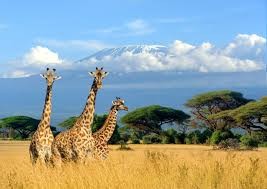
Planning a safari to Kenya is an exciting way to experience Africa’s extraordinary wildlife, beautiful landscapes and rich cultural heritage. From the legendary plains of the Maasai Mara to the elephant herds of Amboseli National Park, Kenya offers unforgettable experiences for first-time visitors, couples, families and experienced safari travelers.
However, a successful Kenya safari requires more than choosing a national park. You need to select the right travel season, understand entry requirements, choose suitable accommodation, plan transportation, budget for park fees and decide how many days to spend exploring each destination.
These tips for planning a safari to Kenya will help you organize a rewarding wildlife holiday while avoiding common planning mistakes.
For travelers interested in a wider East African adventure, Kenya can also be combined with Uganda or Rwanda for additional wildlife experiences, including mountain gorilla trekking and chimpanzee tracking.
At Mambo Gorilla Safaris Uganda, we help travelers explore Uganda and regional safari opportunities through carefully planned itineraries tailored to their interests, time and budget.
1. Choose the Best Time to Visit Kenya
One of the first steps when planning a safari to Kenya is deciding when to travel.
Kenya can be visited throughout the year, but weather conditions influence road access, vegetation, wildlife viewing and the overall experience in different parks.
The Kenya Wildlife Service identifies April to June as a period associated with long rains in many areas, while generally drier periods often offer favorable conditions for wildlife viewing. Local conditions vary, so the best time depends on your destination and priorities. <Cite refs={[“turn408046search17″,”turn408046search2”]}/>
June to October: A Popular Wildlife Season
These months are popular with safari travelers because many destinations experience relatively dry conditions, and animals may be easier to spot in open landscapes.
The Maasai Mara is particularly popular during this period because wildebeest and zebras may move into the ecosystem as part of the Great Migration.
However, the timing and location of the herds depend on rainfall and grazing conditions. River crossings are unpredictable, and no operator can guarantee that you will see one on a particular date.
November to December: Seasonal Changes and New Opportunities
Short rains may occur during this period, depending on the location.
The changing landscape can create attractive photography opportunities, and some destinations may be less crowded than during the busiest travel weeks.
Wildlife remains present throughout the year, although conditions and sightings vary.
January to March: Another Period to Consider
Many parts of Kenya experience relatively warm, dry conditions during some of these months. Wildlife viewing can be rewarding, and photographers may appreciate the open landscapes in suitable areas.
Coastal destinations can also be incorporated into a safari for travelers who want to relax by the Indian Ocean after exploring the parks.
April to June: Consider the Green Season
The long rains can bring lush vegetation and beautiful scenery. Some lodges offer seasonal rates, but road conditions may become challenging, particularly in remote areas.
If you travel during this period, choose an experienced operator, confirm the accessibility of your selected accommodation and allow flexibility in your schedule.
Planning tip: Choose your travel dates based on the parks and experiences you want most rather than assuming one season is best for every safari.
2. Decide Which National Parks and Reserves to Visit
Kenya has a wide variety of wildlife destinations. You do not need to visit every park to enjoy a memorable safari. Choose destinations that complement each other and fit your available time.
Maasai Mara National Reserve
The Maasai Mara is famous for its expansive grasslands, predators and seasonal wildlife movements associated with the Great Migration.
Activities commonly include guided game drives, wildlife photography and learning about the surrounding Maasai communities through appropriate cultural experiences.
It is an excellent choice for travelers seeking classic savannah wildlife and opportunities to look for lions, elephants, cheetahs, giraffes, buffaloes and other animals.
Amboseli National Park
Amboseli is well known for its elephants and views toward Mount Kilimanjaro when weather conditions permit.
The park’s open landscapes can offer excellent photography opportunities, particularly for travelers interested in elephants and large mammals.
Tsavo East and Tsavo West National Parks
Tsavo’s vast landscapes offer a different atmosphere from the Maasai Mara and Amboseli.
The parks feature varied habitats, wildlife viewing opportunities and scenic areas that appeal to travelers seeking a spacious wilderness experience.
Lake Nakuru National Park
Lake Nakuru is known for its birdlife and conservation areas supporting species such as rhinos.
Wildlife sightings depend on conditions, but the park can be a rewarding addition to a route through Kenya’s Rift Valley.
Samburu National Reserve
Samburu offers distinctive landscapes and wildlife associated with Kenya’s northern dry regions.
It is particularly interesting for travelers who want to explore a different ecosystem and look for species adapted to drier environments.
Nairobi National Park
For travelers with limited time, Nairobi National Park offers a convenient introduction to Kenyan wildlife near the capital.
It can be a useful addition before or after an international flight, subject to your arrival time and park arrangements.
Kenya’s official tourism portal provides an overview of these and other wildlife destinations. <Cite refs={[“turn408046search1″,”turn408046search12”]}/>
3. Choose the Right Length for Your Safari
The number of days you have available will influence which destinations you can visit comfortably.
Avoid trying to cover too many parks in a short period. Road transfers, park entry procedures, game drives and accommodation check-ins all take time.
A 3-Day Kenya Safari
A short safari can focus on one main destination, such as the Maasai Mara, depending on your starting point and transport arrangements.
This option is suitable for travelers who have limited time and want to prioritize wildlife viewing.
A 5-Day Kenya Safari
Five days provides more flexibility to explore one major wildlife destination in depth or combine two destinations with a practical route.
For example, you could consider a Maasai Mara safari or a route linking Amboseli with another suitable destination.
A 7-Day Kenya Safari
A week allows more time for wildlife viewing and can accommodate a multi-park itinerary, provided travel distances are carefully planned.
A route might combine the Maasai Mara with Lake Nakuru or focus on Amboseli and Tsavo.
A 10-Day Kenya Safari
Ten days gives travelers more freedom to explore different ecosystems, add cultural experiences or include time on the coast.
This is a good option for visitors who prefer a slower pace rather than moving accommodation every night.
Remember: These are planning examples rather than fixed packages. The best itinerary depends on where you arrive, your budget, the season and your preferred accommodation.
4. Set a Realistic Kenya Safari Budget
Your safari budget should include more than accommodation and game drives.
The final cost depends on the duration of the trip, the number of travelers, transport arrangements, accommodation standards, park fees and the activities you select.
Consider the following expenses:
- International and domestic flights
- Airport transfers
- Safari vehicle and guide
- Accommodation
- Meals and drinks
- Park and reserve entry fees
- Boat trips or other optional activities
- Cultural experiences
- Travel insurance
- Tips and personal expenses
- Any required travel authorizations
Budget Safari
Budget travel may involve simpler accommodation, shared transportation or camping where available.
This can be suitable for travelers who prioritize wildlife viewing and are comfortable with more basic facilities.
Mid-Range Safari
Mid-range trips typically balance comfort, location and price. Depending on the destination, they may include comfortable lodges, tented camps or hotels and a private or shared safari vehicle.
Luxury Safari
Luxury safaris may include premium lodges, exclusive camps, private vehicles, specialized activities and additional services.
These options usually cost more, particularly in high-demand locations and peak travel periods.
Ask for a Clear, Itemized Quotation
Before paying a deposit, ask what the price includes and excludes.
Confirm whether park fees, meals, transfers, accommodation taxes, optional activities and airport pickups are included. Also ask about cancellation terms, payment schedules and any additional charges.
Kenya Wildlife Service provides official information on park fees and payment arrangements for parks under its management. Fees and arrangements for other reserves may be managed separately, so confirm the applicable charges for every destination on your itinerary. <Cite refs={[“turn361724search0″,”turn361724search4″,”turn361724search10”]}/>
5. Book Accommodation in the Right Location
Where you stay can make a significant difference to your safari.
Accommodation close to a park entrance or in a convenient wildlife-viewing area can reduce travel time and help you make better use of early-morning and late-afternoon game drives.
When comparing accommodation, consider:
- Distance from the park or reserve entrance
- Access to wildlife-viewing areas
- Meals and drinking water arrangements
- Room facilities and comfort
- Family-friendly options
- Accessibility requirements
- Safety and security
- Transfer times from airports or nearby towns
- Cancellation policies
For the Maasai Mara, check the location of a lodge or camp carefully because properties may be spread across different parts of the wider ecosystem.
If a specific wildlife experience is your main priority, discuss the best accommodation location with your safari planner before making a reservation.
6. Understand Kenya’s Entry Requirements
International travelers should check the current entry requirements that apply to their citizenship, travel documents and purpose of visit.
Kenya operates an Electronic Travel Authorisation system for many visitors. The official immigration website explains who must apply, the documents required and the application process.
As requirements can change, do not rely solely on information from blogs, social media or third-party agents.
Before departure, check:
- Passport validity
- Whether you need an approved electronic travel authorization or another entry document
- Return or onward travel details
- Accommodation information
- Health and vaccination requirements applicable to your journey
- Any requirements for children traveling with you
Apply through the official Kenya Electronic Travel Authorisation website.
The official system advises eligible applicants to prepare their passport, photograph, contact details, itinerary and accommodation information. It also recommends applying well ahead of travel rather than waiting until the last minute. <Cite refs={[“turn408046search10″,”turn408046search11”]}/>
What About Travelers From Uganda?
The official Kenyan eTA information lists citizens of East African Community partner states, including Uganda, among the exempt categories. Travelers should still verify current entry and document requirements for their specific circumstances before departure. <Cite refs={[“turn408046search9″,”turn408046search13”]}/>
7. Choose the Right Safari Transportation
Transportation is a major part of planning a Kenya safari because some wildlife destinations are separated by long distances.
Your options may include:
Private 4×4 Safari Vehicle
A private safari vehicle offers flexibility over departure times, stops and the pace of your trip.
It can be a good choice for couples, families, photographers and small groups who prefer a personalized experience.
Shared Safari Vehicle
Shared trips can reduce costs by distributing transport expenses among several travelers.
However, departure times, routes and the amount of time spent at each destination may be less flexible.
Domestic Flights
Flying between selected destinations can save road travel time, particularly when visiting remote areas.
However, domestic flights may involve baggage restrictions, additional transfers and higher costs. Confirm the details before booking.
Self-Drive Safari
A self-drive trip may appeal to experienced travelers who want independence. However, driving in wildlife areas requires preparation, awareness of local rules and a suitable vehicle.
If you are unfamiliar with the roads, park conditions or local driving practices, consider using an experienced guide or driver.
Best advice: Select transportation based on the route and travel time, not only the initial price.
8. Plan Your Activities in Advance
A safari is more rewarding when the daily schedule reflects your interests.
Game drives are central to many Kenya safaris, but other experiences may also be available depending on the destination.
These can include:
- Wildlife photography
- Bird watching
- Guided nature experiences where permitted
- Cultural visits arranged with local communities
- Scenic viewpoints
- Boat excursions in suitable locations
- Relaxation at a lodge or coastal destination
Some activities require advance reservations or special arrangements. Ask about availability, age restrictions, safety requirements and additional fees before finalizing your itinerary.
If seeing particular animals is important to you, explain your priorities to your guide. Wildlife is unpredictable, so no responsible operator can guarantee sightings of every species.
9. Pack the Right Clothing and Safari Equipment
Packing appropriately helps you stay comfortable during early-morning drives, warm afternoons and cooler evenings.
Kenya’s climate varies between coastal areas, highlands, savannah parks and arid regions. The Kenya Wildlife Service recommends adaptable clothing because conditions differ across destinations. <Cite refs={[“turn408046search2″,”turn408046search17”]}/>
Consider bringing:
- Lightweight, neutral-colored clothing
- A warm jacket or fleece for early mornings
- Comfortable walking shoes
- A hat or cap
- Sunscreen
- Insect repellent
- Sunglasses
- Binoculars
- A camera and spare batteries
- A reusable water bottle
- Personal medication
- A small daypack
- Copies of essential travel documents
Avoid packing unnecessary valuables. If your itinerary includes domestic flights, check baggage weight and size restrictions before departure.
10. Understand Safari Etiquette and Wildlife Safety
Wildlife viewing should always prioritize the safety of visitors, guides and animals.
During game drives, follow your guide’s instructions and comply with park regulations.
Important practices include:
- Remain inside the vehicle unless your guide confirms that getting out is permitted.
- Keep a respectful distance from wildlife.
- Never feed wild animals.
- Avoid shouting or making sudden movements near animals.
- Do not encourage drivers to chase or surround wildlife.
- Stay on authorized roads and tracks.
- Take all rubbish with you.
- Respect other visitors’ opportunities to observe wildlife.
At cultural sites, ask permission before photographing people and follow the guidance of local hosts.
Responsible tourism helps protect wildlife and contributes to the long-term value of Kenya’s protected areas.
11. Consider a Cultural Experience During Your Safari
Kenya is home to diverse communities with distinct histories, languages, crafts, food traditions and ways of life.
A cultural experience can complement a wildlife safari by introducing you to local perspectives and the relationship between communities, land and conservation.
Depending on the destination, you may be able to arrange:
- A locally guided cultural visit
- Traditional music or dance
- Craft demonstrations
- Learning about local food
- Community walks
- Visits to locally run enterprises
Choose experiences that respect the community’s wishes and provide a fair benefit to local participants.
Ask your safari planner how the experience is organized, what is included and whether photography is permitted.
12. Combine Kenya With Uganda for a Wider East African Adventure
Travelers with additional time may wish to combine Kenya with Uganda for a broader East African safari.
Kenya offers iconic savannah wildlife experiences, while Uganda is known for mountain gorilla trekking, chimpanzee tracking, forest landscapes and national parks with diverse wildlife.
A combined journey can include:
Kenya wildlife safari + Uganda gorilla trekking + chimpanzee tracking, depending on your budget, travel dates and permit availability.
For example, a longer itinerary could begin with wildlife viewing in Kenya, continue to Uganda for gorilla trekking in Bwindi Impenetrable National Park, and add chimpanzee tracking or another national park.
Cross-border travel requires careful planning. Confirm flights or road transfers, immigration requirements, passport validity, accommodation and activity reservations for both countries.
Gorilla trekking permits should be checked and secured before committing to a fixed schedule.
Mambo Gorilla Safaris Uganda specializes in Uganda safari experiences and can help travelers explore suitable Uganda extensions to a wider East African itinerary.
You can review our 3-Day Bwindi Gorilla Trekking Tour and 10-Day Wildlife and Primate Trekking Safari in Uganda for itinerary ideas.
Sample 7-Day Kenya Safari Itinerary
The following itinerary is an example of how a week in Kenya might be organized. Exact travel times and accommodation depend on your arrival point, chosen properties and transportation.
Day 1: Arrive in Nairobi
Arrive in Nairobi, transfer to your accommodation and rest after your journey.
If you arrive early and have enough time, you may be able to add a suitable city activity or visit Nairobi National Park on a separate planned excursion.
Overnight: Nairobi.
Day 2: Travel to the Maasai Mara
Travel to the Maasai Mara region by road or an appropriate scheduled flight.
After arrival, settle into your accommodation and enjoy a game drive if the timing and booking allow.
Overnight: Maasai Mara area.
Day 3: Explore the Maasai Mara
Spend the day enjoying guided game drives and observing the wildlife and landscapes.
Your guide can help identify animals and explain their behavior, habitats and the wider ecosystem.
Overnight: Maasai Mara area.
Day 4: Continue Wildlife Viewing and Travel Toward Lake Nakuru
Enjoy a morning activity if appropriate, then travel toward the Lake Nakuru region.
Because the transfer can take a substantial part of the day, confirm the route and expected arrival time before booking.
Overnight: Lake Nakuru area or another suitable stop.
Day 5: Explore Lake Nakuru National Park
Enjoy a planned park visit focused on wildlife viewing and birdlife.
The animals you encounter will depend on the season, location and conditions.
Overnight: Lake Nakuru area.
Day 6: Travel to Nairobi
Return to Nairobi, allowing enough time for road conditions and rest.
Depending on your preferences, you may arrange a city experience or simply relax before departure.
Overnight: Nairobi.
Day 7: Departure or Safari Extension
Transfer to the airport for your onward journey.
If you have more time, consider extending your trip to another suitable destination or the Kenyan coast.
Important: This sample itinerary involves several transfers and is not suitable for every traveler. If you prefer a slower pace, focus on one or two destinations rather than trying to cover too much in one week.
Common Mistakes to Avoid When Planning a Kenya Safari
A little preparation can help prevent unnecessary expenses and disappointment.
Trying to Visit Too Many Parks
Long distances can reduce the time available for wildlife viewing. Choose a route that allows you to enjoy each destination rather than spending most of the holiday traveling.
Booking Accommodation Without Checking Its Location
A property may advertise a famous park while being far from the area you want to explore. Confirm its exact location and expected transfer times.
Ignoring Additional Costs
Ask whether park fees, meals, transfers and optional activities are included in the quoted price.
Leaving Travel Documents Until the Last Minute
Check passport, entry authorization and health requirements early, using official government sources.
Expecting Guaranteed Wildlife Sightings
Animals move freely through their habitats. A good guide can improve your chances of finding wildlife, but no sighting is guaranteed.
Choosing Only on Price
The cheapest trip may not include the services, accommodation or route you expect. Compare inclusions, safety standards, cancellation terms and the quality of the itinerary.
Frequently Asked Questions About Planning a Safari to Kenya
What is the best month to visit Kenya for a safari?
There is no single best month for every traveler. The generally drier periods can be favorable for wildlife viewing, while the rainy seasons may bring lush landscapes and different travel conditions. Your preferred park and activities should guide your decision.
How many days are enough for a Kenya safari?
Three to five days can work for a focused safari, while seven to ten days provides more flexibility for visiting multiple destinations. Travel distances and the pace you prefer should determine the final itinerary.
How much does a Kenya safari cost?
Costs vary according to accommodation, transport, park fees, group size, season and activities. Request an itemized quotation for your travel dates rather than relying on a single advertised price.
Do I need an eTA to visit Kenya?
Many international visitors need an approved Kenyan Electronic Travel Authorisation before travel, while specified categories are exempt. Check the official Kenya eTA website for the current rules that apply to your nationality and circumstances.
What should I pack for a Kenya safari?
Bring adaptable clothing, comfortable shoes, a warm layer, sun protection, insect repellent, binoculars, a camera and personal medication. Add any specialized equipment required for your activities.
Is Kenya suitable for a family safari?
Yes. Many destinations and lodges welcome families, but age restrictions and activity requirements differ. Confirm child policies, vehicle arrangements, accommodation and the suitability of each activity before booking.
Can I combine Kenya with Uganda?
Yes. You can plan a regional itinerary combining Kenya’s wildlife destinations with Uganda’s gorilla trekking, chimpanzee tracking and other safari experiences. Allow enough time for transfers, immigration and permit arrangements.
Should I book a safari in advance?
Advance booking is advisable, especially for peak travel periods, popular accommodation and activities with limited availability. Book key elements early and confirm all inclusions in writing.
How do I choose a reliable safari operator?
Check the operator’s business details, communication, itinerary clarity, payment terms, cancellation policy and independent reviews. Request a written quotation that specifies accommodation, transport, park fees, activities and exclusions.
Final Thoughts: Plan Your Kenya Safari With Confidence
Planning a safari to Kenya becomes easier when you choose your travel dates carefully, select destinations that suit your interests, understand the costs and leave enough time for wildlife viewing.
Whether you dream of watching lions on the Maasai Mara plains, photographing elephants in Amboseli, exploring Tsavo or discovering Kenya’s birdlife and cultural heritage, a well-designed itinerary can make your holiday more rewarding.
For travelers who want to explore beyond Kenya, Uganda offers additional opportunities for mountain gorilla trekking, chimpanzee tracking and wildlife adventures.
Start planning your East African safari with Mambo Gorilla Safaris Uganda. Tell us about your preferred travel dates, budget and interests so we can discuss suitable Uganda safari experiences and possible regional combinations.


