Email: info@mambogorillasafarisuganda.com | Call: +256772666331

When Is the Best Time to Go to Maasai Mara for Safaris?

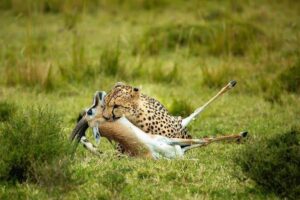
The Maasai Mara National Reserve in southwestern Kenya is one of Africa’s most celebrated safari destinations. Famous for its abundant wildlife, open savannah plains, big cats and the spectacular Great Wildebeest Migration, the reserve attracts travelers hoping to experience an unforgettable African safari.
But when is the best time to go to Maasai Mara for safaris? The answer depends on what you want to see, your budget, your preferred weather conditions and how many other visitors you are comfortable sharing the experience with.
For travelers hoping to witness large wildebeest herds and possible Mara River crossings, July to October is generally the most popular period. January to March can also offer excellent wildlife viewing, while the greener, rainier months may appeal to visitors seeking quieter surroundings and potentially better accommodation value.
At Mambo Gorilla Safaris Uganda, we help travelers plan customized East African safari holidays, including Kenya wildlife adventures that can be combined with gorilla trekking and other experiences in Uganda and Rwanda.
This guide explains the best months to visit the Maasai Mara, what each season offers, how weather affects game drives and how to choose the right time for your safari.
Quick Answer: What Is the Best Month to Visit Maasai Mara?
For most first-time visitors, July to October is the best overall period to consider, especially if the Great Migration is a priority. However, the best month varies according to your interests.
- July to October: Best general window for experiencing the Great Migration in the Maasai Mara.
- August and September: Popular months for large herds and possible dramatic river crossings.
- January to March: Excellent alternative for general wildlife viewing, photography and a less migration-focused safari.
- June: A useful shoulder-season option before the busiest migration period.
- November to December: Greener landscapes, bird watching opportunities and changing visitor levels.
- April to May: Rainier months that may suit travelers seeking quieter experiences, subject to road conditions and camp availability.
The Great Migration follows rainfall, fresh grazing and water availability rather than a fixed calendar. River crossings are unpredictable, so no travel month guarantees a crossing during your stay.
Why Visit the Maasai Mara for a Safari?
The Maasai Mara is part of the wider Mara–Serengeti ecosystem, which supports enormous herds of grazing animals and a diverse range of predators.
The reserve is known for its open grasslands, riverine habitats, resident wildlife and seasonal migration movements.
A Maasai Mara safari may offer opportunities to see:
- Lions and other large predators
- Elephants and buffaloes
- Giraffes and zebras
- Wildebeest and other grazing animals
- Cheetahs and hyenas
- Numerous birds and smaller wildlife species
Wildlife sightings depend on season, location, animal movements and time spent in the field. Although the Maasai Mara is famous for the Big Five, seeing all five species on one trip is never guaranteed.
The right time to visit depends on whether you are most interested in migration herds, predators, photography, bird watching, lower visitor numbers or accommodation value.
1. Visit Maasai Mara Between July and October for the Great Migration
For many travelers, July to October is the most exciting time to visit the Maasai Mara because the Great Wildebeest Migration may bring enormous herds of wildebeest and zebras into the reserve from Tanzania’s Serengeti ecosystem.
This seasonal movement is driven by changing rainfall and grazing conditions. The animals move across the wider ecosystem in search of fresh grass and water.
What makes migration season special?
During periods when large herds are present, visitors may experience:
- Large wildebeest and zebra herds across the plains
- Increased predator activity
- Opportunities to observe animals moving between grazing areas
- Potential Mara River crossings
- Exceptional wildlife photography
- A lively safari atmosphere
Is July the best month to see the migration?
July can be a good month to begin looking for the migration in the Maasai Mara, but arrival dates vary from year to year. The herds may enter different parts of the ecosystem at different times.
Travelers visiting in July should not assume the migration will already be concentrated near their lodge or a particular river crossing.
Is August or September better?
August and September are popular months for migration-focused safaris because substantial herds may be present in the reserve. These months can also be busy, and accommodation demand is often high.
The most suitable choice depends on current herd movements, the location of your accommodation and how many days you can spend on game drives.
Important: River crossings cannot be scheduled with certainty. Wildebeest may gather at a riverbank before crossing, cross at an unexpected time or move through a different area. Plan for several game drives rather than relying on one specific crossing.
2. Visit Maasai Mara in January, February or March for General Wildlife Viewing
You do not need to visit during the Great Migration to enjoy an outstanding Maasai Mara safari.
January to March can be a rewarding period for general wildlife viewing. The reserve has resident animals throughout the year, and travelers can enjoy game drives without making the migrating herds their main priority.
Why consider January to March?
This period may offer:
- Good opportunities to search for resident wildlife
- Interesting predator-prey interactions
- Warm conditions and changing grassland scenery
- Bird watching opportunities
- Photography without focusing entirely on migration
- A different visitor atmosphere from peak migration months
Wildlife remains widely distributed, so sightings vary by area and daily conditions.
This season is particularly suitable for travelers who want a classic safari featuring lions, elephants, giraffes, zebras and other wildlife rather than a migration-only itinerary.
If you prefer a more flexible safari experience, January to March is worth considering.
3. Consider June for a Shoulder-Season Safari
June can offer a useful balance for travelers who want to visit before the busiest part of the migration season.
Conditions vary from year to year, but June can provide opportunities for general wildlife viewing while visitor numbers may be lower than during the peak migration period.
Why choose June?
- You can explore the reserve before the busiest migration months.
- Wildlife viewing can be rewarding.
- You may find more accommodation options than during peak demand, depending on the property.
- It is a useful month for travelers with some flexibility.
- It may suit visitors who want to combine the Maasai Mara with other Kenyan destinations.
June is not a guarantee of low prices or quiet game drives, and the Great Migration may not yet be concentrated in the reserve.
If migration sightings are essential, ask your safari operator for the latest information before selecting your dates.
4. Explore Maasai Mara in November and December
November and December can bring changing weather, fresh vegetation and attractive green landscapes.
These months may appeal to travelers who enjoy photography, bird watching and a different view of the reserve from the classic dry-season safari.
What can you expect?
Depending on local rainfall and wildlife movements, you may enjoy:
- Green grasslands and dramatic skies
- Resident wildlife viewing
- Bird watching opportunities
- Scenic photography
- A different atmosphere from the peak migration period
Short rains do not necessarily occur uniformly across the entire region, and the condition of roads can vary.
Before booking, confirm whether your chosen camp is open, whether transfers are affected by weather and what game-drive arrangements are available.
5. Should You Visit Maasai Mara in April or May?
April and May are generally associated with the long rains in much of Kenya, although rainfall varies by year and location.
These months can be attractive for travelers seeking greener landscapes, fewer visitors and potentially more competitive accommodation offers. However, they require more flexibility.
Advantages of visiting during the rainy months
- Lush grasslands and beautiful scenery
- Fewer visitors in some areas
- Excellent opportunities for landscape photography
- Bird watching opportunities
- Possible accommodation savings, depending on the property and package
Potential disadvantages
- Muddy or difficult roads
- Heavy showers that interrupt outdoor activities
- Changes to game-drive routes
- Some seasonal camps or services closing temporarily
- More challenging transfers in poor weather
A four-wheel-drive safari vehicle and an experienced local operator are particularly important when conditions are wet.
If your travel dates fall in April or May, ask for a realistic assessment of road conditions, accommodation availability and the flexibility of your itinerary.
Month-by-Month Guide to the Best Time to Visit Maasai Mara
| Month | Typical safari experience | Best suited for |
|---|---|---|
| January | Warm conditions and general wildlife viewing | Wildlife photography |
| February | General wildlife and bird watching | Nature enthusiasts |
| March | Wildlife viewing with increasing rainfall possible | Flexible safari travelers |
| April | Rainier conditions and green landscapes | Travelers comfortable with weather changes |
| May | Green scenery, quieter periods possible | Value-conscious travelers |
| June | Shoulder-season wildlife viewing | Visitors seeking a balance |
| July | Migration may begin arriving in the Mara | Migration-focused travelers |
| August | Large herds may be present; high demand | Migration and photography |
| September | Popular migration period | Wildlife enthusiasts |
| October | Migration may continue or begin moving away | Flexible migration travelers |
| November | Greener landscapes and changing conditions | Bird watchers and photographers |
| December | Resident wildlife and seasonal scenery | Holiday travelers |
These are general seasonal patterns, not guarantees. Weather and animal movements can differ significantly between years and between parts of the Maasai Mara ecosystem.
When Is the Best Time to See the Big Five in Maasai Mara?
The Maasai Mara supports a wide range of wildlife throughout the year. June to October is often a popular period for general game viewing because vegetation may be shorter and road conditions are often more favourable than during the wetter months.
However, the Big Five—lion, leopard, elephant, buffalo and rhinoceros—are not equally easy to spot.
Lions are often encountered on game drives, while leopards can be more elusive. Elephant and buffalo sightings depend on the area visited, and rhinoceros sightings may require more targeted wildlife viewing.
To improve your chances:
- Spend at least two or three nights in the area if possible.
- Choose accommodation with convenient access to your intended game-drive areas.
- Take early-morning and late-afternoon game drives where available.
- Use an experienced guide who understands local wildlife movements.
- Be patient and allow time for observation.
No guide or safari company can guarantee sightings of every species.
When Is the Best Time for Wildlife Photography in Maasai Mara?
The best time depends on the type of photographs you want to take.
For migration photography
July to October is the main window to consider for large herds and possible river crossings.
For big-cat photography
January to March and the drier months may offer rewarding opportunities to photograph resident predators and other wildlife. Sightings still depend on animal behaviour and location.
For green landscapes
The wetter months can create dramatic skies, fresh vegetation and striking scenery.
For bird photography
Different bird species occur at different times of year. Wetland habitats, grasslands and seasonal visitors can make bird watching rewarding beyond the main migration season.
For the best photographic experience, prioritize adequate time in the reserve, a suitable vehicle, a knowledgeable guide and flexibility in your daily schedule.
When Is the Cheapest Time to Visit Maasai Mara?
The cheapest time depends on several factors, including accommodation, park or reserve fees, transport, the number of travelers and the activities included.
April and May may offer lower accommodation rates at some properties because of the rains and reduced visitor demand. Some periods outside the main migration season may also offer better value.
However, a lower accommodation price does not automatically mean a lower total safari cost. Reserve fees, transport and activity charges can form a significant part of your budget.
Before booking, request a detailed quotation that separates:
- Accommodation
- Reserve entry fees
- Transport
- Game drives
- Meals
- Flights, if applicable
- Optional experiences
- Any additional charges
Confirm the current reserve fees and applicable visitor categories for your travel dates through official booking channels. Do not rely on old price lists.
How Many Days Should You Spend in Maasai Mara?
The ideal length depends on your budget and the experience you want.
Two days and one night
A short visit may provide a taste of the reserve, but travel time can limit the amount of time available for wildlife viewing.
Three days and two nights
This is a practical starting point for many travelers, allowing time for several game drives.
Four days and three nights
A longer stay offers greater flexibility to explore different areas and spend more time searching for wildlife.
Five days or longer
A longer safari may suit wildlife photographers, migration enthusiasts and travelers who want a slower pace or to combine the reserve with nearby conservancies.
If river crossings are your main priority, allow several days and remain flexible. Even a longer stay cannot guarantee a crossing.
Where Should You Stay in Maasai Mara?
Your accommodation location can affect your safari experience as much as the travel month.
Options range from budget camps and tented camps to comfortable lodges and luxury safari camps.
When choosing where to stay, consider:
- Distance from your preferred game-drive areas
- Access to the reserve or conservancy
- Transfer time from the airstrip or road entrance
- Whether game drives are included
- Vehicle arrangements
- Meals and other inclusions
- Whether the property operates during your travel season
If you are visiting during the migration season, location can be particularly important. The herds may be concentrated in one part of the wider ecosystem while your camp is elsewhere.
Ask your safari planner to explain the expected travel time to the areas you want to explore rather than choosing a camp based only on its advertised name or price.
What Should You Pack for a Maasai Mara Safari?
Your packing list should reflect the season and the activities planned.
Consider bringing:
- Neutral-coloured, comfortable clothing
- A warm fleece or jacket for early mornings
- A lightweight rain jacket
- Comfortable walking shoes
- A sun hat or cap
- Sunscreen
- Insect repellent
- Binoculars
- A camera with suitable lenses
- Spare batteries or a power bank
- A reusable water bottle
- Personal medication
- A small daypack
During the rainy months, add suitable waterproof protection for your luggage and camera equipment.
Follow your guide’s advice about clothing, safety and permitted activities during game drives.
Can You Combine Maasai Mara With Other East African Safari Destinations?
Yes. The Maasai Mara can be combined with other destinations for a broader East African safari.
Maasai Mara and Serengeti
This combination allows travelers to explore different parts of the wider Mara–Serengeti ecosystem. Because wildlife movement and border arrangements affect the route, careful planning is essential.
Maasai Mara and Amboseli
This combination offers contrasting landscapes and wildlife experiences, with Amboseli famous for its elephants and views toward Mount Kilimanjaro when conditions are clear.
Maasai Mara and Uganda gorilla trekking
For travelers seeking a more diverse East African adventure, a Kenya safari can be combined with gorilla trekking in Uganda. The itinerary will need appropriate flights or transfers, confirmed gorilla permits and enough time for each destination.
Mambo Gorilla Safaris Uganda can help travelers explore options for combining Kenya wildlife experiences with Uganda’s primate destinations.
Why Plan Your Maasai Mara Safari With Mambo Gorilla Safaris Uganda?
Choosing the right travel dates is only one part of a successful safari. You also need to coordinate accommodation, transport, reserve access, game-drive schedules and the areas you most want to explore.
Mambo Gorilla Safaris Uganda can help you plan an East African itinerary around your travel dates, budget and interests.
Your wider trip may include:
- Maasai Mara wildlife viewing
- Other Kenyan national parks
- Uganda gorilla trekking
- Chimpanzee tracking
- Rwanda safari experiences
- Private road transfers or flights where suitable
- Accommodation matched to your preferred comfort level
If you are interested in combining Kenya and Uganda, explore our Uganda safari experiences and discuss a customized itinerary with our team.
Frequently Asked Questions About the Best Time to Visit Maasai Mara
What is the best month to visit Maasai Mara for a safari?
July to October is generally the most popular period, especially for travelers hoping to see the Great Migration. January to March can also offer rewarding general wildlife viewing.
When is the Great Migration in Maasai Mara?
The migration is commonly associated with the Maasai Mara between July and October. The exact timing varies according to rainfall, grass growth and animal movements across the Serengeti–Mara ecosystem.
Can I see the wildebeest river crossing in August?
It is possible, but not guaranteed. Crossings depend on the movement of herds and conditions at individual river locations. Spending several days in the area improves your opportunities but cannot ensure a crossing.
Is January a good time to visit Maasai Mara?
Yes. January can be a good time for general wildlife viewing, photography and a safari that is not focused exclusively on the Great Migration.
Is Maasai Mara worth visiting during the rainy season?
Yes, if you are comfortable with changing weather and possible road challenges. The landscape can be lush and scenic, and visitor numbers may be lower in some periods. Confirm accommodation and road conditions before travelling.
How many days are enough for a Maasai Mara safari?
Three days and two nights is a useful starting point for many visitors. Four days or longer offers greater flexibility for game drives and wildlife photography.
Is Maasai Mara suitable for a first-time safari?
Yes. It is a popular choice for first-time safari travelers because of its varied wildlife and open landscapes. Choosing appropriate accommodation and allowing enough time for game drives can improve the experience.
Should I book a Maasai Mara safari in advance?
Advance booking is strongly recommended for popular travel periods, particularly July to October. Confirm accommodation, reserve fees, transport and inclusions before making payment.
Final Thoughts: Choose the Best Time for Your Maasai Mara Safari
The best time to go to Maasai Mara for safaris depends on your priorities.
If you want the best opportunity to experience the Great Migration, consider July to October. If you prefer general wildlife viewing and a safari that is less dependent on migration movements, January to March can be an excellent alternative. If greener scenery and potentially quieter conditions appeal to you, consider the wetter months with appropriate flexibility.
Whatever season you choose, allow enough time for game drives, select accommodation suited to your route and remember that wildlife sightings are never guaranteed.
Plan your Kenya safari with Mambo Gorilla Safaris Uganda. Tell us your preferred travel dates, budget and wildlife interests, and we can help you explore a customized East African safari that may combine the Maasai Mara with Uganda’s mountain gorillas and other remarkable destinations.


