Email: info@mambogorillasafarisuganda.com | Call: +256772666331

Tips for Planning a Safari to Kenya: Everything You Need to Know

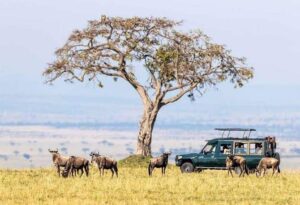
Planning a safari to Kenya is an exciting opportunity to experience some of Africa’s most famous wildlife destinations, dramatic landscapes and rich cultural traditions. From the open grasslands of the Maasai Mara to the elephant-filled plains of Amboseli National Park, Kenya offers unforgettable experiences for first-time safari travelers, families, couples, photographers and wildlife enthusiasts.
However, a successful Kenya safari requires more than choosing a national park. You need to decide when to travel, which destinations to visit, how many days to spend on safari, what to budget for accommodation and park fees, and how to organize transportation between destinations.
These tips for planning a safari to Kenya will help you make informed decisions, avoid common planning mistakes and create an itinerary that matches your interests and budget.
At Mambo Gorilla Safaris Uganda, we help travelers plan customized East African safari experiences, including Kenya wildlife adventures and itineraries that combine Kenya with Uganda’s mountain gorillas, chimpanzees and other wildlife attractions.
1. Decide What You Want to Experience on Your Kenya Safari
Before booking accommodation or transportation, decide what you most want to see and do. Kenya has a wide range of safari destinations, and each offers a different experience.
Some travelers prioritize the Big Five, while others want to witness the Great Migration, photograph elephants against Mount Kilimanjaro, enjoy bird watching or combine wildlife viewing with cultural experiences.
Your interests will help determine which parks to visit and how long to stay.
Consider these popular safari experiences:
- Big Five wildlife viewing: Look for lions, elephants, leopards, buffaloes and rhinoceroses across suitable national parks and reserves.
- Great Migration experiences: Plan a Maasai Mara safari around the seasonal movements of wildebeest and zebras.
- Elephant photography: Visit Amboseli National Park for its elephant populations and views toward Mount Kilimanjaro when conditions are clear.
- Northern Kenya wildlife: Explore destinations such as Samburu for distinctive landscapes and wildlife.
- Bird watching: Choose habitats that support the bird species you hope to observe.
- Family safaris: Select suitable lodges, manageable driving distances and age-appropriate activities.
- Cultural experiences: Arrange respectful, community-led experiences where available.
A clear list of priorities helps you avoid trying to visit too many places in a short time.
2. Choose the Best Time to Visit Kenya
The best time to visit Kenya depends on your interests, the destinations you choose and your budget.
Kenya has varied climates, and conditions differ between the coast, central highlands, northern regions and wildlife parks. Some periods generally offer drier conditions, while others bring more rainfall and greener landscapes.
June to October: A popular wildlife-viewing period
Many travelers choose the middle and later parts of the year for safari holidays because conditions in several popular wildlife areas can be favorable for game drives.
The Maasai Mara receives considerable attention during the Great Migration season, when large numbers of wildebeest and zebras move through the wider Mara–Serengeti ecosystem.
However, migration timing and river crossings vary from year to year. A crossing is never guaranteed on a particular date, so avoid booking an itinerary based solely on the promise of seeing one.
November to May: Green landscapes and seasonal variation
Depending on the region, these months can offer greener scenery, changing birdlife and different photographic conditions. Some periods are wetter, and road conditions may become challenging.
The lower-demand periods can sometimes provide more accommodation choices or attractive package rates, but savings are not guaranteed and depend on the property, destination and travel dates.
How should you choose your travel dates?
Consider the following:
- The wildlife you most want to see
- Your preferred national parks
- Seasonal weather patterns
- Accommodation availability
- Your budget
- Whether you prefer busy or quieter destinations
For the most accurate advice, check current seasonal conditions and discuss your preferred experiences with a safari planner before booking.
3. Choose the Right National Parks and Reserves
One of the most important tips for planning a safari to Kenya is to select destinations that suit your interests rather than trying to visit every famous park.
Maasai Mara National Reserve
The Maasai Mara is famous for its open savannah, large predators and seasonal movements of wildebeest and zebras.
It is a strong choice for travelers who want classic African game drives and opportunities to observe wildlife in expansive grassland habitats.
A multi-day stay allows time for morning and afternoon game drives rather than rushing through the reserve.
Amboseli National Park
Amboseli is particularly well known for its elephants and views toward Mount Kilimanjaro when the weather is clear.
It is popular with photographers and travelers who want to combine wildlife viewing with striking mountain scenery.
Lake Nakuru National Park
Lake Nakuru offers a combination of lake scenery, birdlife and wildlife habitats. It is also known for conservation efforts involving rhinoceroses.
Wildlife sightings vary, so choose the park for its overall habitat and wildlife experience rather than expecting every species to appear during your visit.
Samburu National Reserve
Samburu offers a different environment from Kenya’s southern savannah destinations. Its drier landscapes and wildlife make it attractive to travelers interested in exploring northern Kenya.
Depending on the area and conditions, visitors may look for species associated with northern Kenya, including Grevy’s zebra, reticulated giraffe and gerenuk.
Tsavo East and Tsavo West National Parks
The Tsavo parks offer expansive landscapes, varied habitats and opportunities for wildlife viewing. They can be useful additions to itineraries that include southeastern Kenya or the coast.
Nairobi National Park
Nairobi National Park provides a distinctive opportunity to see wildlife close to Kenya’s capital city.
It can suit travelers with limited time, especially those who want a short wildlife experience before or after an international flight.
Planning tip: Two or three carefully selected destinations often provide a better experience than a rushed itinerary covering too many parks.
For official park information, consult Kenya Wildlife Service.
4. Decide How Many Days to Spend on Safari
Your safari length determines how many destinations you can visit comfortably.
Kenya’s parks are spread across different regions, and road journeys can take longer than expected. Allow enough time for transfers, game drives, meals and rest.
Three to four days
A short safari can focus on one major wildlife destination, such as the Maasai Mara, or a compact itinerary from Nairobi.
This option is suitable for travelers with limited holiday time, although travel logistics should be considered carefully.
Five to seven days
A five-to-seven-day safari offers more flexibility. You may be able to combine two destinations, depending on your route and transportation arrangements.
For example, you could plan a Maasai Mara safari with a suitable additional destination or create an Amboseli-focused itinerary.
Eight to ten days
A longer safari allows more time for wildlife viewing and can accommodate several destinations without making every day a long transfer.
You may consider combining the Maasai Mara, Lake Nakuru and another destination, or exploring Amboseli and the Tsavo region.
Two weeks or longer
A longer holiday can combine several regions of Kenya and potentially include beach relaxation or another East African country.
Choose a route that minimizes unnecessary backtracking and leaves enough time to enjoy each destination.
5. Set a Realistic Budget for Your Kenya Safari
Safari costs vary significantly according to accommodation, transportation, park fees, travel dates and the number of people traveling.
Your budget should account for more than the nightly lodge rate.
Important expenses include:
- Accommodation
- Park and reserve entry fees
- Safari vehicle and guide
- Domestic flights, if applicable
- Meals and drinks
- Airport transfers
- Cultural activities
- Travel insurance
- Tips and personal purchases
- International flights, where relevant
Budget, mid-range or luxury safari?
Budget safari: May use camping or simpler accommodation, shared transportation and a carefully selected route.
Mid-range safari: Often balances comfortable lodges or tented camps with guided game drives and convenient transfers.
Luxury safari: May include premium lodges, private guiding, fly-in transfers and more exclusive experiences.
The best choice is not necessarily the most expensive one. Select accommodation and transport that meet your needs while leaving enough budget for the activities that matter most.
Ask for an itemized quotation so you can see which costs are included and which are excluded.
Kenya Wildlife Service publishes park information and conservation fees. Check the latest applicable rates directly with Kenya Wildlife Service before finalizing your budget.
6. Understand Park Fees and What Your Package Includes
National park and reserve fees can make up a substantial part of a safari budget. Rates may differ according to the destination, visitor category, age, season or current tariff rules.
Before paying for your safari, confirm whether the quotation includes:
- Park or reserve entry fees
- Vehicle and guide services
- Accommodation
- Meals
- Scheduled game drives
- Airport transfers
- Domestic flights, if applicable
- Taxes and service charges
- Optional activities
Do not assume every activity is included simply because the quotation is described as an all-inclusive safari.
For a package tour, ask the operator to specify what is covered. If organizing independently, review the relevant park’s official entry and payment requirements.
7. Decide Between a Road Safari and a Fly-In Safari
Transportation can influence both your safari budget and the time available for wildlife viewing.
Road safaris
A road safari uses a safari vehicle to travel between destinations and conduct game drives.
Advantages include:
- Scenic views of the countryside
- Flexibility for selected stops
- Opportunities to observe life outside the parks
- Potentially lower costs than some fly-in arrangements
The main consideration is driving time. Long road journeys can reduce the time available for activities, so plan realistic travel days.
Fly-in safaris
A fly-in safari uses scheduled or charter flights to reach selected safari destinations.
Potential advantages include reduced road travel and more time at certain destinations. However, flights can add significant costs and may have baggage restrictions.
Compare the total cost, transfer arrangements and time savings before deciding.
8. Book Accommodation That Matches Your Safari Style
Kenya offers a broad range of accommodation, from campsites and simple lodges to comfortable tented camps and luxury safari lodges.
The right option depends on your budget, preferred comfort level and the location of the activities you want to enjoy.
When comparing accommodation, consider:
- Distance from the park gate or reserve entrance
- Access to scheduled game drives
- Meals and drinking water arrangements
- Room configuration for families
- Heating, cooling or mosquito protection where relevant
- Accessibility and mobility requirements
- Cancellation conditions
- Whether the lodge is inside or outside a protected area
Staying close to your preferred wildlife area can reduce transfer times and make early-morning activities easier.
Read the booking terms carefully, especially during popular travel periods when availability may be limited.
9. Arrange Your Travel Documents and Entry Requirements
Travel-document preparation should be completed well before departure.
Kenya’s official Electronic Travel Authorisation system states that eligible visitors must obtain an approved eTA before beginning their journey. Certain travelers, including citizens of East African Community partner states, are exempt under the published rules.
Requirements depend on nationality, travel status and the purpose of the visit. Check the official government website rather than relying on an old blog post or an unofficial application service.
Before traveling, verify:
- Passport validity
- Whether you need an eTA or qualify for an exemption
- Entry and onward-travel requirements
- Accommodation and travel details required for the application
- Any applicable health or vaccination requirements
- Requirements for children traveling with you
Start at the official Kenya eTA website and review the current instructions for your situation.
If you are combining Kenya with Uganda or Rwanda, check the entry requirements for every country in your itinerary. Permission to enter one country does not automatically authorize entry into another.
10. Choose a Reputable Safari Operator
A reliable safari operator can help coordinate accommodation, transport, guides, park arrangements and activities.
When comparing providers, consider:
- Clear written quotations
- Detailed itineraries
- Transparent inclusions and exclusions
- Appropriate vehicles and qualified guides
- Responsive communication
- Verifiable business details and independent reviews
- Clear booking, cancellation and refund terms
- Appropriate arrangements for park fees and permits
Ask questions before making a deposit, and ensure that you understand the payment schedule.
Avoid making decisions based only on the lowest advertised price. An unusually low quotation may exclude important expenses or offer an itinerary that is difficult to deliver comfortably.
Mambo Gorilla Safaris Uganda specializes in customized East African safari planning and can help travelers explore options for Kenya, Uganda and cross-border itineraries.
11. Pack the Right Clothing and Safari Essentials
Your packing list should suit the climate, activities and accommodation included in your itinerary.
Many Kenya safari destinations have warm days and cooler mornings or evenings. Conditions vary between lowland parks, highland areas and the coast.
Consider packing:
- Lightweight neutral-colored clothing
- A warm fleece or jacket for early mornings
- Comfortable walking shoes
- A sun hat or cap
- Sunglasses
- Sunscreen
- Insect repellent
- Binoculars
- A camera and spare batteries
- A reusable water bottle
- Personal medication
- Travel documents and insurance details
- A small daypack
If your safari includes flights between destinations, check baggage weight and size restrictions before departure.
You do not need an entirely new wardrobe for a safari. Comfortable, practical clothing and protection from sun and rain are more important than buying specialist outfits.
12. Follow Wildlife Viewing Rules
Responsible wildlife viewing protects both visitors and animals.
During game drives, listen to your guide and follow park regulations. Wildlife is unpredictable, and animals should never be approached or disturbed for photographs.
Important practices include:
- Remain inside the vehicle unless your guide identifies an authorized place to get out.
- Keep a respectful distance from animals.
- Avoid shouting or sudden movements near wildlife.
- Never feed wild animals.
- Do not ask drivers to pursue animals recklessly.
- Follow speed limits and designated routes.
- Take all litter away with you.
Responsible conduct helps protect Kenya’s wildlife and supports the long-term sustainability of safari tourism.
13. Consider a Kenya Family Safari
Kenya can be a rewarding destination for families, but an itinerary should be designed around the ages, interests and needs of the travelers.
Choose accommodation with suitable room arrangements and check the minimum ages for activities.
For families, it can be helpful to:
- Limit very long driving days.
- Choose destinations with varied activities.
- Schedule breaks between game drives.
- Confirm child rates and park requirements.
- Ask about family rooms and meal arrangements.
- Check safety requirements for walking or boat activities.
A shorter itinerary with comfortable transfers may be more enjoyable than trying to visit every major park.
14. Plan a Photography-Focused Safari
If wildlife photography is a priority, tell your safari planner before booking.
Different destinations offer different photographic opportunities. The Maasai Mara is known for open savannah wildlife, Amboseli for elephants and mountain views, and Samburu for its distinctive landscapes and wildlife.
Photography planning should consider:
- Time available for game drives
- Vehicle seating and window access
- Group size
- Your camera equipment
- Seasonal wildlife movements
- Light conditions
- Whether a private vehicle is within your budget
Wildlife sightings and photographic conditions cannot be guaranteed, even during popular seasons. Allowing several days in a destination increases your opportunities to observe animals in different conditions.
15. Combine Kenya With Uganda or Rwanda
Travelers with additional time may choose to combine Kenya with another East African destination.
A multi-country safari can offer a wider range of experiences, but it requires careful planning of transport, accommodation, entry requirements and activity schedules.
Kenya and Uganda
A Kenya-Uganda itinerary could combine savannah wildlife viewing with mountain gorilla trekking in Bwindi Impenetrable National Park or Mgahinga Gorilla National Park.
Depending on your travel dates and available permits, you could also add chimpanzee tracking or a wildlife safari in Uganda.
Explore Mambo Gorilla Safaris Uganda’s 10-Day Wildlife and Primate Trekking Safari in Uganda for ideas on the Uganda portion of a longer journey.
Kenya and Rwanda
A Kenya-Rwanda itinerary can combine classic savannah wildlife with mountain gorilla trekking in Volcanoes National Park, subject to permit availability and travel arrangements.
What should you consider?
- Flight connections between destinations
- Entry requirements for every country
- Gorilla or chimpanzee permit availability
- Transfer times
- Separate national park fees
- The amount of time available for each experience
A multi-country safari works best when the route is designed around the experiences you value most rather than simply adding more destinations.
Sample 7-Day Kenya Safari Itinerary
This example illustrates how to organize a safari around two major wildlife destinations. The exact route should be adapted to your arrival airport, season, accommodation and transportation arrangements.
Day 1: Arrive in Nairobi
Arrive in Nairobi, meet your transfer provider and settle into your accommodation. If your arrival time permits, enjoy a relaxed city activity.
Overnight: Nairobi.
Day 2: Travel to the Maasai Mara
Travel to the Maasai Mara by road or scheduled flight, depending on your budget and preferred style of safari.
After arrival and check-in, enjoy a game drive if the schedule and conditions allow.
Overnight: Maasai Mara area.
Day 3: Explore the Maasai Mara
Enjoy morning and afternoon game drives with your guide.
Spend time observing wildlife and the savannah landscape. If you are traveling during the Great Migration period, your guide can explain current wildlife movements, but sightings of specific events cannot be guaranteed.
Overnight: Maasai Mara area.
Day 4: Continue Wildlife Viewing and Transfer
Enjoy another game drive or a relaxed morning before transferring to your next destination, depending on the selected route.
Plan the day carefully to avoid rushing between parks.
Overnight: At your selected stop.
Day 5: Explore Amboseli or Another Suitable Destination
Travel to Amboseli if the route and schedule allow, or choose a more practical alternative based on your arrival and departure arrangements.
Enjoy wildlife viewing when conditions permit.
Overnight: Amboseli area or another location on the planned route.
Day 6: Wildlife Viewing in Amboseli
Enjoy a game drive in search of elephants and other wildlife. Views toward Mount Kilimanjaro depend on weather and visibility.
Spend the remainder of the day relaxing at your accommodation.
Overnight: Amboseli area.
Day 7: Return to Nairobi and Depart
Travel back to Nairobi or take a scheduled flight, depending on your arrangements.
Allow sufficient time for transfers and international check-in. If your flight is early, consider an additional night near the airport.
Important: The Maasai Mara and Amboseli are geographically separated, so this itinerary involves significant travel. A flight-based connection or additional day may make the trip more comfortable. For a more relaxed seven-day safari, choose two destinations with a practical route or spend longer in one wildlife region.
Common Mistakes to Avoid When Planning a Kenya Safari
Even a well-intentioned safari plan can become stressful if important details are overlooked.
Avoid these common mistakes:
Trying to visit too many parks. Long transfers can leave little time for wildlife viewing. Prioritize quality over quantity.
Booking without checking inclusions. Confirm park fees, meals, transport, accommodation and optional activities.
Expecting guaranteed wildlife sightings. Animals move freely, and neither specific sightings nor migration river crossings can be promised.
Ignoring travel-document requirements. Check official entry rules early.
Choosing accommodation based only on price. Consider location, transfer times, facilities and cancellation terms.
Leaving no flexibility in the schedule. Weather, traffic and wildlife conditions can affect the plan.
Overlooking travel insurance. Review coverage for medical emergencies, cancellations, baggage and planned activities.
Frequently Asked Questions About Planning a Safari to Kenya
What is the best month to go on safari in Kenya?
The best month depends on the parks you want to visit, weather conditions, wildlife interests and budget. Many travelers choose drier periods for game drives, while the Great Migration attracts visitors to the Maasai Mara during its seasonal movements. Confirm current conditions before booking.
How many days are enough for a Kenya safari?
Three to four days can work for a focused trip to one destination. Five to seven days provide more flexibility, while eight to ten days allow time to explore multiple regions at a more comfortable pace.
How much does a Kenya safari cost?
Costs vary according to accommodation, transportation, park fees, group size, season and activities. Request an itemized quotation and compare the complete itinerary rather than the advertised starting price alone.
Which national parks are best for a first-time safari in Kenya?
The Maasai Mara is popular for savannah wildlife and seasonal migration viewing. Amboseli is known for elephants and Kilimanjaro views, while Lake Nakuru and Samburu offer different landscapes and wildlife experiences. Your best choice depends on your interests and available time.
Do I need an eTA to visit Kenya?
Many international visitors need an approved electronic travel authorization before traveling, but some categories of travelers are exempt. Check the official Kenya eTA website for the current rules that apply to your nationality and travel status.
Is Kenya suitable for a family safari?
Yes. Choose age-appropriate activities, family-friendly accommodation and manageable driving distances. Confirm the age restrictions for specific activities before booking.
Can I combine Kenya with gorilla trekking in Uganda?
Yes. You can plan a multi-country East African safari combining Kenya’s savannah wildlife with gorilla trekking in Uganda. The route should account for flights, immigration requirements, accommodation and gorilla permit availability.
Should I book a private or group safari?
A private safari offers greater flexibility over timing and itinerary. A group safari may reduce the per-person cost, depending on the package and group size. Compare the inclusions, vehicle arrangements and daily schedule before deciding.
How far in advance should I book a Kenya safari?
Book as early as practical if you want specific lodges, peak-season travel dates or a multi-country itinerary. Advance planning is particularly useful when availability is limited, although exact lead times depend on the destination and season.
Final Thoughts: Plan Your Kenya Safari With Confidence
Kenya offers exceptional opportunities for wildlife viewing, photography, scenic travel and cultural discovery. A successful safari starts with clear priorities, realistic travel times, a suitable budget and a well-organized itinerary.
Choose destinations that match your interests, verify travel requirements, understand what your package includes and allow enough time to enjoy each location.
Whether you dream of seeing lions in the Maasai Mara, photographing elephants in Amboseli or combining Kenya with gorilla trekking in Uganda, careful planning can make your East African holiday more rewarding.
Start planning your customized East African safari with Mambo Gorilla Safaris Uganda. Share your travel dates, preferred destinations, group size and budget so your itinerary can be tailored to the experiences you value most.


