Email: info@mambogorillasafarisuganda.com | Call: +256772666331

Annoying Things About Gorilla Trekking: What to Expect Before Visiting Uganda’s Mountain Gorillas

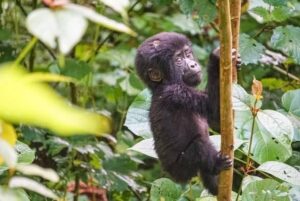
Gorilla trekking in Uganda is one of Africa’s most memorable wildlife experiences, offering visitors the opportunity to observe endangered mountain gorillas in their natural rainforest habitat. However, although the experience is rewarding, it is not always as easy or comfortable as some travellers imagine.
From muddy forest trails and exhausting uphill climbs to unpredictable rain, early-morning starts and the disappointment of having only a limited time with the gorillas, several aspects of gorilla trekking can be challenging.
The good news is that most of these challenges become easier when you understand what to expect and prepare properly before your safari.
At Mambo Gorilla Safaris Uganda, we believe that travellers should understand both the exciting and challenging sides of gorilla trekking before booking their adventure. This guide explains the most annoying things about gorilla trekking in Uganda, why they happen and how to handle them without allowing minor inconveniences to spoil your holiday.
Quick Answer: What Are the Most Annoying Things About Gorilla Trekking?
The most challenging aspects of gorilla trekking can include:
- Hiking up and down steep, uneven forest trails.
- Dealing with mud, rain, humidity and slippery ground.
- Walking for several hours before finding the gorillas.
- Starting the day early and following a fixed trekking schedule.
- Spending a limited period with the gorillas.
- Carrying suitable clothing, water and other essential equipment.
- Following strict wildlife conservation rules.
- Paying for permits, transport and accommodation as part of an expensive safari.
- Managing insects, scratches, fatigue and uncomfortable trekking conditions.
- Accepting that wildlife encounters and photography opportunities cannot be guaranteed.
These challenges do not mean that gorilla trekking is a bad experience. They are part of visiting wild animals in a protected natural environment, and good preparation can make a significant difference.
1. The Steep and Sometimes Exhausting Forest Hike
One of the most annoying things about gorilla trekking is the physical effort required to reach the gorillas.
Mountain gorillas live in forested mountain habitats, where the ground may be steep, uneven, slippery and covered with vegetation. Depending on the gorilla family’s location, trekkers may walk uphill, descend into valleys, cross muddy sections or navigate narrow forest trails.
Some visitors find their assigned trek easier than expected, while others face several hours of walking before locating the gorillas. The route and duration cannot be guaranteed in advance because gorillas move freely through their habitat.
The return journey can also feel tiring, especially after spending time observing the gorillas.
How to handle the hiking challenge
Prepare your body before travelling to Uganda. Regular walking, stair climbing, gentle hill hikes and cardiovascular exercise can help improve your stamina.
During the trek:
- Wear sturdy hiking boots with good grip.
- Walk at a steady pace rather than rushing.
- Inform your ranger guide if you need a short rest.
- Consider hiring a porter to help carry your backpack.
- Bring sufficient drinking water and follow your guide’s advice.
- Use walking poles if you are accustomed to them and they are suitable for the trail.
You do not have to be a professional athlete to go gorilla trekking, but you should be realistic about your fitness and any mobility limitations.
2. Muddy Trails and Unpredictable Rain
Another common frustration is the weather. Uganda’s gorilla trekking forests are tropical environments, and rain can occur even when the day begins with sunshine.
Forest paths may become muddy, slippery and difficult to navigate. Water can soak your trousers, shoes and backpack, while damp conditions may make you feel colder or less comfortable than expected.
Even during relatively dry periods, the forest can be wet because of its vegetation, elevation and local weather conditions.
How to stay comfortable in wet conditions
Pack for changing weather rather than relying entirely on the forecast.
Useful items include:
- A waterproof jacket or rain poncho.
- Waterproof or water-resistant hiking boots.
- Quick-drying trekking trousers.
- Gardening-style gloves or suitable trekking gloves for gripping vegetation when needed.
- A waterproof cover for your backpack.
- Dry clothing for changing after the trek.
Avoid ordinary smooth-soled shoes, which may provide poor traction on muddy ground.
Tip: Keep your camera, phone, passport and other important items in waterproof bags or protected compartments.
3. The Waiting and Uncertainty Before Finding Gorillas
Many travellers imagine that they will walk into the forest and immediately encounter a gorilla family. In reality, gorillas move around, feed, rest and travel through their natural habitat.
Trackers and ranger guides use their knowledge of gorilla movements and information from tracking teams to guide visitors. Nevertheless, the time required to locate a family varies.
You might find the gorillas relatively quickly, or you may need to walk for several hours. The uncertainty can be frustrating if you have a tight schedule or expect an easy wildlife encounter.
How to manage the uncertainty
Allow enough time for the trekking experience instead of scheduling an important activity immediately afterwards.
Listen to your guide, enjoy the forest and look out for birds, plants and other natural features along the trail. Treat the hike as part of the safari rather than simply a delay before seeing the gorillas.
When planning your itinerary with Mambo Gorilla Safaris Uganda, ask for a realistic schedule that allows for trekking, rest and onward travel.
4. Spending Only a Limited Time With the Gorillas
For many visitors, this is the most emotionally frustrating part of gorilla trekking.
After preparing for the trip, travelling to southwestern Uganda and hiking through the forest, you may feel that one hour with the gorillas passes too quickly.
Uganda’s standard gorilla trekking experience limits the viewing period to a maximum of one hour once the gorillas have been reached. Rangers may end the encounter earlier if circumstances require it.
The time limit helps reduce disturbance to the gorillas and supports responsible wildlife tourism.
How to make the most of your viewing time
Prepare your camera before approaching the gorillas and learn how to take photographs without using flash. Listen carefully to your guide’s instructions and avoid spending the entire encounter trying to capture the perfect picture.
Take time to observe the gorillas’ behaviour, including feeding, grooming, resting and interactions between family members when these activities occur.
Remember that no two encounters are exactly alike. You cannot control what the gorillas do, but you can pay attention and appreciate the opportunity to observe them in the wild.
Travellers interested in a longer gorilla experience can ask about the gorilla habituation experience in Uganda, where available and subject to the relevant permit conditions. It is a separate activity with different arrangements, not simply an extension that every standard trekking permit provides.
5. Waking Up Early on Trekking Day
Gorilla trekking usually involves an early start. Travellers must reach the designated briefing point, complete registration and receive instructions before entering the forest.
Depending on where you stay, you may need to wake up early, have breakfast, pack your equipment and travel to the briefing location.
This can be inconvenient after a long journey or if you are not accustomed to early mornings.
How to make the morning easier
Choose accommodation close to the trekking sector assigned to your permit whenever possible.
Prepare your clothing, camera, water, snacks where permitted, and other essentials the night before. Confirm your departure time with your safari guide and get sufficient sleep.
A well-planned overnight stay near your trekking sector can reduce the stress of travelling a long distance before the activity begins.
6. Strict Gorilla Trekking Rules
Some visitors may find the rules restrictive, particularly when they want to take photographs or move closer to the gorillas.
However, mountain gorillas are vulnerable to human diseases and disturbance. The rules exist to protect the animals, their habitat and visitors.
Depending on the current regulations and ranger instructions, visitors must observe requirements concerning viewing distance, noise, photography, group behaviour, food, waste and contact with the animals.
You should also avoid trekking if you have a contagious illness and inform your operator or park staff if you become unwell.
How to avoid problems with the rules
Attend the official briefing and follow the instructions given by your ranger guide.
Do not touch gorillas, attempt to attract their attention, feed them or move closer to obtain a better photograph. Keep your voice low and never use flash photography.
If a gorilla approaches you, remain calm and follow your guide’s instructions rather than trying to interact with it.
Rules and operational instructions may be updated, so rely on the current briefing instead of assuming that information from an old travel article is still accurate.
7. The Cost of a Gorilla Trekking Safari
Gorilla trekking can be expensive compared with some other wildlife activities in East Africa.
The overall cost may include a gorilla trekking permit, accommodation, ground transport, meals, guide services and other safari activities. Travellers arriving from overseas must also account for international flights, visas where applicable, travel insurance and personal expenses.
The permit is only one part of the total trip cost. Remote locations and long road journeys can increase the overall expense.
How to manage your safari budget
Set a realistic budget before booking and request a detailed quotation showing what is included and excluded.
Consider these practical options:
- Compare budget, mid-range and luxury accommodation.
- Choose accommodation near your assigned trekking sector.
- Travel with a group if shared transport suits your preferences.
- Book permits and accommodation early enough to compare available options.
- Combine gorilla trekking with nearby attractions when the route makes sense.
- Ask whether meals, transfers and park-related activities are included in your package.
Do not select a tour based on price alone. Check the operator’s identity, the itinerary, accommodation details, permit arrangements and payment terms before sending money.
8. Getting Scratched by Vegetation and Dealing With Insects
Dense rainforest vegetation can make trekking uncomfortable. Branches, vines, nettles and other plants may brush against your clothing, while insects can be an irritation along the trail.
The forest is a natural environment, not a paved walkway, so visitors should expect occasional discomfort.
How to protect yourself
Wear long-sleeved shirts and long trekking trousers. Suitable gloves can help protect your hands when moving through vegetation, but always follow your ranger’s instructions about touching plants and using the trail.
Pack insect repellent suitable for your needs and use it according to its label. Carry a small personal first-aid kit for minor issues, and tell your guide if you experience a significant injury or feel unwell.
Avoid grabbing unknown plants or pushing through vegetation without guidance.
9. Carrying Your Own Equipment Up the Hills
A camera, water bottle, rain jacket, snacks and other essentials can quickly make a backpack feel heavy.
Carrying too much equipment may add unnecessary strain during a long trek. On the other hand, travelling without the basics can leave you uncomfortable when the weather changes or the hike takes longer than expected.
What should you carry?
A practical trekking bag may include:
- Drinking water.
- A waterproof jacket.
- A camera or phone, if desired.
- Spare batteries or a power bank.
- Sunscreen and insect repellent.
- Personal medication.
- A small amount of food for use away from the gorillas, following ranger instructions.
Ask your safari operator what is recommended for your particular trek. A porter can help carry your bag and may also provide support on difficult sections of the trail.
Hiring a porter is optional, but it can make the trek more manageable and provide paid work for people living around the park.
10. Photography Can Be More Difficult Than Expected
Mountain gorillas are often photographed in thick vegetation, shaded forest and changing light. You may not have a clear view of every gorilla, and some animals may move behind leaves or other family members.
You must also respect the rules against flash photography and follow the guide’s instructions about positioning and movement.
Trying to take perfect photographs can become frustrating if you spend more time checking your camera than observing the animals.
Tips for better gorilla photographs
Before the trek, learn the basic settings of your camera and check that your batteries and memory cards are ready.
Use a camera setting suitable for low light if you know how to adjust it. Avoid unnecessary movement, do not block other visitors and never leave the group to get a better angle.
Take a few photographs, then put the camera down and enjoy the encounter. A meaningful memory does not depend on getting a perfect image.
11. Group Trekking Means You Cannot Control Everything
Standard gorilla trekking is conducted in organised groups. Visitors are assigned to a gorilla family, and everyone must follow the ranger guide’s instructions.
You may be travelling with people who walk at different speeds or have different photography interests. Some visitors may prefer to stop frequently, while others may want to keep moving.
This can sometimes be inconvenient, particularly if you prefer to travel independently.
How to make group trekking easier
Listen to your guide, remain with the group and communicate politely if you need a short rest.
If you have particular concerns about your fitness or trekking pace, raise them with your safari operator before the trip. You can ask about available options, although gorilla family allocation and trekking arrangements are subject to park rules and availability.
Do not assume that you can select a particular gorilla family or change your assignment on the day.
12. The Trek Can Be Physically and Emotionally Demanding
The combination of a long hike, unfamiliar terrain, rain, fatigue and anticipation can make the experience more demanding than expected.
Some visitors feel tired or disappointed if they imagined a comfortable walk followed by an easy wildlife viewing session.
Others become anxious about steep slopes, slippery ground or being close to large wild animals.
How to prepare mentally and physically
Start preparing several weeks before your safari if possible. Walk regularly, practise on uneven ground when safe, and build up your stamina gradually.
Tell your operator about relevant mobility concerns before booking. Ask about available support, including porters or any suitable assistance services. Availability and suitability depend on the destination and the current arrangements.
During the trek, be patient with yourself and avoid comparing your pace with other visitors.
A realistic understanding of the experience helps you appreciate it for what it is: an encounter with wild mountain gorillas in a natural forest habitat.
13. You Cannot Guarantee What the Gorillas Will Do
Visitors sometimes expect a silverback to pose in a clear opening, infant gorillas to play close to the group, or every family member to be visible.
Wildlife does not follow a schedule. Gorillas may rest, feed, move through dense vegetation or remain partially hidden.
Your guide can help position the group appropriately, but no responsible operator can guarantee specific animal behaviour or photographic opportunities.
How to enjoy an unpredictable encounter
Go with an open mind. Watch the gorillas’ natural behaviour rather than expecting a staged performance.
Even a quiet encounter can be fascinating. The way a family feeds, rests, grooms or moves through the forest offers a glimpse into the lives of these remarkable primates.
14. Long Road Transfers to Bwindi or Mgahinga
Reaching Uganda’s gorilla trekking destinations can involve substantial road travel, depending on where you begin your journey.
Visitors travelling from Entebbe or Kampala may spend many hours on the road before reaching Bwindi Impenetrable National Park or Mgahinga Gorilla National Park. Road conditions, traffic, weather and the exact destination affect travel time.
After a long transfer, some travellers may feel tired before the trek even begins.
How to reduce travel fatigue
Build enough time into your itinerary and avoid scheduling an exhausting drive immediately after your international flight when possible.
Consider spending a night near your arrival airport before starting the road journey. Alternatively, ask about suitable domestic flight options and the transfers required to reach your accommodation.
For a road safari, plan reasonable breaks and choose accommodation based on your actual trekking sector.
You can explore Mambo Gorilla Safaris Uganda’s 3 Days Gorilla Trekking in Bwindi to see an example of a short gorilla trekking itinerary.
15. What Happens If You Feel Sick Before the Trek?
This can be particularly disappointing when you have travelled a long way and paid for your safari.
However, protecting gorillas from human illness is a priority. If you have a cold, fever or another potentially contagious illness, tell your safari operator and the park staff before the trek. They can advise you on the applicable rules and next steps.
Do not hide symptoms simply because you do not want to miss the experience.
Before booking, read the applicable permit conditions, cancellation policy and insurance terms. Do not assume that a permit will automatically be refunded or rescheduled if you become ill.
How to Make Gorilla Trekking More Enjoyable: A Practical Checklist
Preparation will not eliminate every inconvenience, but it can make the day easier.
Before your safari:
- Confirm your permit and trekking sector.
- Choose accommodation that fits your assigned sector.
- Prepare for several hours of walking.
- Wear sturdy hiking boots and long clothing.
- Pack a waterproof jacket and backpack cover.
- Carry drinking water and essential personal medication.
- Consider hiring a porter if you would benefit from assistance.
- Arrange sufficient time for travel and rest.
- Understand the rules and follow the ranger briefing.
- Confirm what your safari quotation includes.
On the day of trekking, be patient, follow your guide’s instructions and remember that the animals’ welfare comes before photography or personal convenience.
Is Gorilla Trekking Worth the Challenges?
For most travellers who understand what to expect, gorilla trekking can be an exceptionally rewarding experience.
Seeing mountain gorillas in the wild is very different from observing wildlife in a zoo or from a safari vehicle. You enter their natural habitat, learn about their behaviour from experienced guides and witness a family going about its daily life.
The hike may be difficult, the weather may be unpredictable and the encounter may feel short. Nevertheless, these challenges are part of the effort involved in visiting protected wildlife in its natural environment.
A well-planned safari can help you manage the practical inconveniences and focus on the experience itself.
Why Plan Your Gorilla Trekking Safari With Mambo Gorilla Safaris Uganda?
A successful gorilla trekking holiday depends on more than securing a permit. Accommodation, transport, travel time, preparation and a realistic itinerary all influence how comfortable your experience will be.
Mambo Gorilla Safaris Uganda can help you plan a Uganda safari around your travel dates, budget, accommodation preferences and wildlife interests.
Whether you want a short Bwindi gorilla trekking trip or a longer holiday combining gorillas with other wildlife destinations, discuss your needs before confirming your arrangements.
Explore these related safari options:
- 3 Days Gorilla Trekking in Bwindi
- 4 Days Bwindi Gorillas and Lake Mburo Safari
- 10 Days of Wildlife and Primate Trekking in Uganda
Request a personalised quotation and ask for a clear breakdown of permits, accommodation, transport, meals and included activities.
Frequently Asked Questions About the Annoying Things About Gorilla Trekking
1. What is the most difficult thing about gorilla trekking?
For many visitors, the most difficult part is the hike through steep, muddy and uneven forest terrain. The level of difficulty depends on the gorilla family’s location, weather conditions and the visitor’s fitness.
2. Is gorilla trekking in Uganda exhausting?
It can be physically demanding. Some treks are relatively short, while others require several hours of walking. Regular exercise, suitable footwear, water and a porter where appropriate can help you manage the effort.
3. Does it rain during gorilla trekking?
Rain can occur throughout the year in Uganda’s gorilla forests. Carry a waterproof jacket, protect your equipment and wear footwear suitable for slippery trails.
4. How long do you spend with mountain gorillas?
Standard gorilla trekking in Uganda allows a maximum of one hour with the gorillas once they have been reached. Rangers may shorten the visit if necessary to protect the animals or respond to the circumstances.
5. Can I touch a mountain gorilla during trekking?
No. Visitors must not touch or attempt to interact physically with wild mountain gorillas. Follow the ranger’s instructions and observe the current viewing-distance rules.
6. What should I wear for gorilla trekking?
Wear sturdy hiking boots, long trousers, a long-sleeved shirt and a waterproof jacket. Gloves and a backpack cover can also be useful in dense, wet forest conditions.
7. Can beginners go gorilla trekking?
Yes, beginners can participate if they meet the applicable requirements and are prepared for the physical demands. It is wise to build stamina beforehand and discuss any concerns about fitness or mobility with your safari operator.
8. Is gorilla trekking worth the money?
Many travellers consider it worth the cost because it provides a rare opportunity to observe mountain gorillas in their natural habitat while contributing to regulated conservation tourism. Whether it fits your budget depends on your priorities and travel plans.
9. What happens if I cannot finish the trek?
Tell your ranger guide immediately if you feel unwell or cannot continue safely. Assistance depends on the circumstances and available arrangements. If you have concerns about completing a hike, discuss them with your operator before travelling.
10. Can I avoid the difficult parts of gorilla trekking?
You cannot eliminate the natural challenges of trekking in a forest. However, good preparation, appropriate accommodation, a realistic schedule and assistance from a porter where available can make the experience more manageable.
Final Thoughts: Prepare Well and Enjoy Your Gorilla Trek
The most annoying things about gorilla trekking are usually the physical demands, wet and muddy trails, early starts, strict conservation rules and the limited time available with the gorillas.
Understanding these challenges before travelling allows you to prepare properly and set realistic expectations. Pack the right equipment, choose accommodation carefully, allow enough time and follow your ranger guide’s instructions.
Ready to plan your gorilla trekking adventure in Uganda? Contact Mambo Gorilla Safaris Uganda to organise a trip that matches your budget, fitness, travel dates and wildlife interests.


