Email: info@mambogorillasafarisuganda.com | Call: +256772666331

A Day in the Life of a Gorilla Ranger in Uganda: Protecting Mountain Gorillas in Bwindi

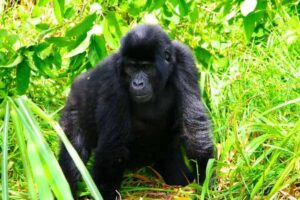
When visitors travel to Uganda for gorilla trekking, they often focus on the excitement of entering the rainforest and seeing a mountain gorilla family in its natural habitat. However, behind every carefully managed trekking experience is a team of dedicated conservation professionals who work to protect these remarkable animals.
A day in the life of a gorilla ranger in Uganda involves much more than accompanying tourists through the forest. Rangers may help monitor gorilla families, protect wildlife, patrol protected areas, record observations, respond to safety concerns and ensure that visitors follow conservation guidelines.
Their work requires physical fitness, patience, knowledge of the forest, teamwork and a strong commitment to wildlife protection.
At Mambo Gorilla Safaris Uganda, we believe that understanding the people behind gorilla conservation makes a gorilla trekking holiday even more meaningful. This article explores a typical working day for a gorilla ranger, the challenges involved and why these conservation professionals are essential to protecting Uganda’s mountain gorillas.
Who Is a Gorilla Ranger?
A gorilla ranger is a trained conservation professional who works to protect wildlife and manage activities within a protected area. In Uganda, the Uganda Wildlife Authority (UWA) is responsible for managing national parks, including Bwindi Impenetrable National Park and Mgahinga Gorilla National Park.
Rangers’ responsibilities can include wildlife protection, anti-poaching patrols, monitoring park boundaries, collecting field information, supporting visitor safety and reporting illegal activities.
It is also important to understand the difference between rangers and trackers. Rangers have conservation and enforcement responsibilities, while trackers use their field knowledge to help locate gorilla families and monitor their movements. The two roles can work closely together during gorilla trekking and conservation activities.
Their combined efforts help protect mountain gorillas while allowing visitors to experience them under controlled conditions.
1. Early Morning: Preparing for a Day in the Forest
For many gorilla monitoring and trekking teams, work begins early in the morning, before visitors arrive for their briefing.
The team prepares equipment, checks communication arrangements and reviews relevant information from previous observations. Depending on the day’s assignment, staff may head into the forest to locate gorilla families, conduct patrols or carry out other conservation duties.
The forest is not a predictable workplace. Rain, steep slopes, thick vegetation and changing wildlife movements can affect the day’s plans.
Preparation is therefore important. Rangers and trackers need to understand their assigned tasks, communicate with colleagues and carry the equipment necessary for their work.
When a trekking team is involved, early preparation also helps ensure that visitors receive appropriate guidance before entering the forest.
2. Tracking Mountain Gorilla Families
One of the most important activities associated with gorilla monitoring is locating the gorilla families.
Mountain gorillas move through their forest habitat in search of food, resting places and suitable areas for building their nightly nests. Their movements can change from day to day.
Trackers use signs such as footprints, feeding remains, nests and other evidence to help establish where a family has moved. Their experience with the terrain and the gorillas’ habits can be particularly valuable.
Monitoring teams communicate relevant information to colleagues so that the day’s activities can be coordinated.
Finding the gorillas is not simply a matter of following a straight path. Teams must work carefully through dense vegetation and difficult terrain while respecting the animals and their habitat.
This work also helps staff observe changes in family composition and identify signs that may require further attention.
3. Monitoring Gorilla Health and Behaviour
Protecting mountain gorillas means more than knowing where they are. It also involves observing their condition and behaviour over time.
Rangers and monitoring teams may record visible injuries, unusual behaviour, changes in group composition and other relevant observations. These records can help conservation staff identify concerns and determine when further assessment may be necessary.
Mountain gorillas are vulnerable to some human diseases, which makes responsible visitor management particularly important. Rangers help enforce the rules intended to reduce disturbance and disease-transmission risks.
When an animal appears injured or unwell, staff can report the observation through the appropriate conservation channels so that qualified veterinary or monitoring teams can assess the situation.
Rangers do not replace wildlife veterinarians. Their observations and timely reporting are important parts of a broader conservation system.
4. Patrolling the Forest to Protect Wildlife
A gorilla ranger’s work can also include patrols aimed at protecting the wider forest ecosystem.
These patrols may involve checking for illegal activities, identifying snares and other traps, monitoring park boundaries and recording signs of habitat disturbance.
Snares intended for other wild animals can injure gorillas and other wildlife. Finding and safely dealing with these threats is therefore an important conservation task.
Patrols may require walking long distances through steep, wet and heavily vegetated terrain. Staff must remain alert to environmental conditions and follow the safety procedures appropriate to their assignment.
Their work benefits more than gorillas alone. Protecting the forest helps safeguard the habitat used by other mammals, birds, reptiles, insects and plants.
5. Helping Visitors Experience Gorilla Trekking Responsibly
On days when tourists are visiting habituated gorilla families, rangers play an important role in managing the encounter.
Before entering the forest, visitors receive instructions about the trek, safety and appropriate behaviour around gorillas. Rangers and guides help visitors understand how to move through the forest and how to respond when the animals are encountered.
Visitors must follow the current rules governing viewing time, distance, noise and photography. They should never touch, feed or deliberately disturb gorillas.
The ranger’s job is not to make wildlife behave for photographs. It is to help visitors observe the gorillas while reducing unnecessary disturbance and responding appropriately to changing circumstances.
This responsibility requires patience and clear communication, particularly when visitors are excited or unfamiliar with the forest environment.
6. Recording Information and Communicating With Other Teams
Conservation depends on reliable information. Field observations can help park managers understand wildlife movements, identify threats and make decisions about protection and management.
Depending on their assignment, rangers may record patrol observations, report signs of illegal activity, communicate with colleagues and prepare operational reports.
Tracking teams also share information about gorilla locations and observations so that the appropriate staff can coordinate their work.
Communication is especially important in a large forest where teams may be separated by difficult terrain. Radios and other authorised communication methods can help staff relay relevant information and respond to developing situations.
Although visitors may see only the ranger leading their trek, that person’s work is part of a much wider conservation effort.
7. The Physical and Mental Challenges of Being a Gorilla Ranger
Working in a gorilla habitat is demanding. Rangers may spend long hours walking through dense vegetation, climbing steep slopes and working in wet or muddy conditions.
The work can also involve difficult decisions. Rangers must balance wildlife protection, visitor safety and the responsibilities of managing a protected area.
Some days may involve long patrols or challenging terrain. Other days may require careful observation, documentation or coordination with different teams.
The role calls for physical fitness, patience, discipline, sound judgement and the ability to work well with colleagues.
Despite these challenges, rangers contribute directly to protecting Uganda’s wildlife and helping future generations experience its natural heritage.
8. Working With Trackers, Researchers and Wildlife Veterinarians
Gorilla conservation is a team effort. Rangers are important, but they do not work alone.
Trackers contribute knowledge of the forest and the movements of habituated gorilla families. Researchers help improve understanding of gorilla ecology and behaviour. Wildlife veterinarians and specialist teams assess health concerns and provide appropriate care when required.
Park managers coordinate wider conservation activities, while local communities, conservation organisations and responsible tourism businesses can contribute to protection efforts.
These roles complement one another. Regular field observations, timely communication and cooperation help conservation teams respond to threats and maintain long-term records about gorilla populations.
9. How Gorilla Tourism Supports Conservation
Responsible gorilla tourism creates an opportunity for visitors to experience mountain gorillas while supporting conservation and local livelihoods.
Permit revenue and other tourism-related income can contribute to park management and conservation activities. Tourism also creates employment opportunities for guides, rangers, trackers, porters, accommodation staff, drivers and other local service providers.
The wider economic benefits depend on how tourism is managed and how revenue and employment opportunities are distributed.
Visitors can contribute positively by following park rules, respecting local communities, using responsible tourism operators and avoiding activities that disturb wildlife.
A gorilla trekking permit should not be viewed simply as payment for a wildlife photograph. It is part of a regulated tourism system that supports the management of a rare and valuable natural habitat.
10. What Happens at the End of a Ranger’s Working Day?
The end of a field assignment does not necessarily mean that every conservation task is finished.
Depending on their responsibilities, rangers may need to report observations, communicate relevant information, document incidents and prepare for subsequent duties.
Monitoring teams can review information about gorilla movements, family composition and visible health concerns. Patrol teams may report snares, illegal activities or signs of disturbance that require follow-up.
The information gathered in the forest becomes part of a continuing conservation effort rather than remaining an isolated observation from one day.
The next working day may bring a different route, a different assignment or new conditions in the forest. Gorilla conservation requires ongoing attention, including when no tourists are present.
Why Gorilla Rangers Matter to Uganda’s Tourism Industry
Uganda’s mountain gorillas are one of the country’s most important wildlife attractions. Their protection depends on habitat conservation, careful monitoring, effective park management and cooperation among different stakeholders.
Rangers help make responsible tourism possible by protecting wildlife, supporting visitor safety and monitoring threats within protected areas.
Without the work of conservation teams, visitors would have fewer opportunities to observe gorillas under carefully managed conditions, and threats to wildlife could be harder to detect.
Recognising the contribution of rangers also reminds travellers that gorilla trekking is not simply an adventure. It is an opportunity to learn about conservation and the people who work to protect Uganda’s natural heritage.
How Visitors Can Support Gorilla Rangers and Conservation
Travellers can make responsible choices before and during their Uganda safari.
Follow the rules. Listen to the briefing and obey ranger instructions throughout the trek.
Never disturb wildlife. Do not touch, feed or attempt to attract gorillas. Avoid loud noises and unnecessary movement.
Be honest about illness. Inform your operator and park staff if you have symptoms that could pose a risk to gorillas. Follow the current health guidance and entry requirements.
Consider hiring a porter. Where available, a porter can help carry your bag and provide assistance on difficult trails. This also creates paid work for people in surrounding communities.
Respect the forest. Do not litter, remove plants or leave the designated route without permission.
Choose responsible tourism providers. Confirm that your operator explains permit arrangements, follows park regulations and gives you clear information about your safari.
Respect local communities. Treat residents and service providers with courtesy, and ask permission before taking photographs of people.
Small, responsible decisions help create a better experience for visitors while supporting the people and places that make gorilla trekking possible.
Experience Uganda’s Gorilla Conservation Story With Mambo Gorilla Safaris Uganda
A gorilla trekking safari gives you more than an opportunity to see mountain gorillas. It introduces you to the forest habitat, the conservation rules and the dedicated teams whose work supports the experience.
Mambo Gorilla Safaris Uganda helps travellers plan gorilla trekking trips in Uganda, with itineraries that can be tailored to travel dates, accommodation preferences, budgets and other wildlife interests.
Whether you are planning a short gorilla trekking holiday or a longer safari combining gorillas with other destinations, preparation makes a difference.
Explore these related safari options:
- 3 Days Gorilla Trekking in Bwindi
- 4 Days Bwindi Gorillas and Lake Mburo Safari
- 10 Days of Wildlife and Primate Trekking in Uganda
Contact Mambo Gorilla Safaris Uganda to discuss your preferred travel dates, gorilla trekking plans and accommodation requirements.
Frequently Asked Questions About a Day in the Life of a Gorilla Ranger
1. What does a gorilla ranger do every day?
A gorilla ranger’s duties depend on the assignment. They may patrol protected areas, help protect wildlife, monitor gorilla families, record field observations, communicate with colleagues and support safe, responsible gorilla trekking.
2. What time does a gorilla ranger start work?
Some gorilla monitoring and trekking teams begin work early in the morning to locate gorilla families or prepare for visitor activities. Exact working hours vary according to duties, location and operational needs.
3. Do gorilla rangers track gorillas every day?
Habituated gorilla families are subject to regular monitoring, and tracking teams often work to establish their locations. However, individual rangers have different assignments, so not every ranger spends every day tracking gorillas.
4. What is the difference between a gorilla ranger and a tracker?
Rangers have wildlife protection and conservation-management responsibilities, which may include patrols and visitor safety. Trackers specialise in locating gorilla families and interpreting signs of their movements. Their work often overlaps during monitoring and trekking activities.
5. How do rangers protect mountain gorillas from poachers?
Rangers may patrol protected areas, look for signs of illegal activity, detect threats, report incidents and help remove snares through authorised procedures. Their work supports the wider effort to protect gorillas and other wildlife.
6. Do gorilla rangers help tourists find gorillas?
Yes, rangers and trackers can work together to guide visitors towards habituated gorilla families. Tracking information helps coordinate the trek, although the time required to find the gorillas varies.
7. Are gorilla rangers responsible for treating injured gorillas?
Rangers may observe and report injuries or unusual behaviour. Veterinary assessment and treatment are handled by qualified wildlife veterinarians and relevant specialist teams.
8. Is being a gorilla ranger dangerous?
The work can involve challenging terrain, difficult weather, wildlife encounters and the risks associated with protecting a large natural area. Rangers rely on training, teamwork and established safety procedures to manage these challenges.
9. How can tourists support gorilla conservation?
Visitors can follow park rules, avoid disturbing wildlife, respect local communities, keep the forest clean and choose responsible safari operators. Their participation in regulated tourism also supports the wider conservation economy.
10. Where can visitors see mountain gorillas in Uganda?
Mountain gorilla trekking takes place in Bwindi Impenetrable National Park and Mgahinga Gorilla National Park. Permits, available trekking groups and arrangements should be confirmed before travel through the appropriate authorities or a reliable safari operator.
Conclusion: The People Behind Uganda’s Gorilla Trekking Experience
A day in the life of a gorilla ranger in Uganda is a day of responsibility, observation, teamwork and dedication to wildlife protection.
From early field preparations and forest patrols to monitoring gorilla families and guiding visitors, conservation teams help protect the animals and habitats that make Uganda such a remarkable safari destination.
When you see mountain gorillas in the wild, remember that the experience is supported by people whose work often takes place far from the spotlight.
Plan your Uganda gorilla trekking safari with Mambo Gorilla Safaris Uganda and discover the mountain gorillas, rainforest landscapes and conservation story behind this extraordinary wildlife experience.


