Email: info@mambogorillasafarisuganda.com | Call: +256772666331

Attractions in Semuliki National Park Uganda: Top Things to See and Do

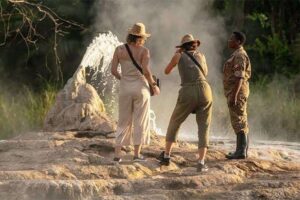
Semuliki National Park is one of Uganda’s most distinctive safari destinations, offering travelers an opportunity to explore a lowland tropical rainforest, discover rare birds and primates, visit steaming hot springs and experience the remarkable landscapes of the Albertine Rift.
For travelers planning a Uganda safari, Semuliki is especially interesting because it offers an experience that is very different from Uganda’s traditional savanna parks.
The park’s most famous attraction is the Sempaya Hot Springs, but visitors can also enjoy forest walks, birdwatching, primate viewing, nature trails and encounters with the rich biodiversity of the Semuliki ecosystem.
Semuliki National Park covers approximately 220 square kilometres and is located in Bundibugyo District in western Uganda. Uganda Wildlife Authority describes it as East Africa’s only true lowland tropical rainforest and notes its strong ecological connection with the Congo Basin’s Ituri Forest.
If you are wondering what to see and do in Semuliki National Park, this complete guide from Mambo Gorilla Safaris Uganda covers the top attractions, activities, wildlife, birding, travel information and safari combinations.
Quick Answer: What Are the Main Attractions in Semuliki National Park?
The major attractions and activities in Semuliki National Park include:
- Sempaya Hot Springs
- Semuliki tropical rainforest
- Birdwatching
- Forest primates
- Semuliki River
- Nature walks
- Kirumia Trail
- Night forest walks
- Butterflies and forest insects
- Albertine Rift scenery
- Local communities and cultural experiences
You can also extend a Semuliki safari to the nearby Toro-Semliki Wildlife Reserve, which offers savanna wildlife, game drives, primate walks, birding and Lake Albert excursions. Toro-Semliki is a separate protected area from Semuliki National Park.
1. Sempaya Hot Springs
The Sempaya Hot Springs are the most famous attraction in Semuliki National Park and one of the most recognizable natural attractions in western Uganda.
The springs consist of two major geothermal features commonly known as the:
- Female Hot Spring – Nyansimbi
- Male Hot Spring – Bintente
The springs are a spectacular demonstration of the geological forces associated with the Albertine Rift.
UWA identifies the Sempaya springs as one of the park’s principal attractions, with the male spring forming a broad steaming pool and the female spring featuring boiling water and steam.
Female Hot Spring – Nyansimbi
Nyansimbi is the female hot spring and is reached by a relatively short walk through the forest.
Visitors can observe steam and boiling water emerging from the geothermal area.
The surrounding tropical vegetation makes the walk particularly scenic.
Male Hot Spring – Bintente
Bintente is a larger steaming pool.
UWA information describes it as approximately 12 metres in diameter, surrounded by a swampy clearing and forest.
Why Visit Sempaya Hot Springs?
A visit combines:
- Geology
- Tropical forest
- Local traditions
- Photography
- Nature walks
- Scenic landscapes
For many travelers, Sempaya is the highlight of their Semuliki safari.
2. Semuliki Tropical Rainforest
The forest is an attraction in itself.
Semuliki is particularly significant because it represents an eastern extension of the Ituri Forest of the Congo Basin.
This gives the park an ecological character that differs from many other Ugandan national parks.
The forest contains:
- Tall tropical trees
- Vines
- Palms
- Forest birds
- Primates
- Butterflies
- Forest mammals
- Wetlands
- Streams
UWA describes Semuliki as one of Uganda’s most biologically diverse forest environments, with species associated with both Central and East Africa.
For travelers who enjoy forests and nature photography, walking through Semuliki can be as rewarding as visiting a particular wildlife attraction.
3. Birdwatching in Semuliki National Park
Semuliki is one of the most important birding destinations in Uganda.
UWA records more than 400 bird species, with its park information listing approximately 435 species. These include species associated with the Congo-Guinea biome and the Albertine Rift.
Birdwatchers may look for species such as:
- Congo serpent eagle
- Black dwarf hornbill
- Nkulengu rail
- Gabon woodpecker
- White-tailed hornbill
- Capuchin babbler
- Blue-headed crested flycatcher
- Western bronze-naped pigeon
- Yellow-throated cuckoo
Semuliki is particularly valuable for birders looking for species that are difficult to encounter elsewhere in East Africa.
Birding Tip
If birdwatching is one of your main reasons for visiting Semuliki, consider staying longer rather than making the park a quick stop.
The Kirumia Trail and forest roads provide opportunities to explore deeper into the forest ecosystem. UWA specifically identifies Semuliki as an important destination for serious birders.
4. Primates in Semuliki National Park
Semuliki’s tropical forest provides habitat for a variety of primates.
Depending on location and conditions, visitors may encounter:
- Chimpanzees
- Red-tailed monkeys
- Black-and-white colobus monkeys
- Baboons
- Vervet monkeys
- Other forest primates
However, Semuliki should not be confused with Kibale National Park, which is one of Uganda’s principal destinations for dedicated chimpanzee trekking.
If chimpanzees are your primary objective, Mambo Gorilla Safaris can combine Semuliki with Kibale for a more comprehensive western Uganda primate safari.
5. Semuliki River
The Semuliki River is an important geographical feature of the region.
The river flows through the Semuliki Valley and forms part of the wider landscape around the border with the Democratic Republic of Congo.
The surrounding environment includes:
- Riverine forest
- Wetlands
- Tropical vegetation
- Bird habitats
- Wildlife
The river contributes to the distinctive Central African character of the Semuliki ecosystem. UWA describes the park as an important ecological meeting point between Central and East African influences.
6. Nature Walks in Semuliki National Park
A guided nature walk is one of the best ways to experience the forest.
Unlike a traditional game drive, a forest walk allows you to slow down and observe smaller species that can easily be missed from a vehicle.
During a nature walk, you may look for:
- Birds
- Primates
- Butterflies
- Forest antelopes
- Reptiles
- Insects
- Interesting plants and trees
UWA identifies several nature and birding walks around Sempaya, as well as longer forest trails.
A ranger guide can also explain the ecology, wildlife and cultural significance of the forest.
7. Kirumia Trail
The Kirumia Trail is one of Semuliki’s most interesting walking routes.
The trail is approximately 14 kilometres and passes through the forest toward the Semuliki River.
It is particularly attractive to:
- Birdwatchers
- Photographers
- Nature lovers
- Experienced hikers
- Forest enthusiasts
UWA notes that the trail provides opportunities to search for Semuliki’s specialist forest birds and is particularly rewarding for visitors spending more time in the forest.
If you are planning a birding-focused safari with Mambo Gorilla Safaris, the Kirumia Trail can be incorporated into your itinerary where appropriate.
8. Night Forest Walks
Semuliki becomes a very different environment after sunset.
Night forest walks can provide opportunities to search for nocturnal wildlife such as:
- Bushbabies
- Nocturnal primates
- Chameleons
- Frogs
- Insects
- Other night-active creatures
UWA’s park information specifically identifies night hikes as an activity for visitors interested in finding nocturnal primates.
Night activities should always be undertaken with authorized guides and according to park regulations.
9. Butterflies and Forest Insects
Semuliki is not only about large mammals.
The park is also an excellent destination for observing smaller forest species.
UWA highlights the park’s remarkable butterfly and moth diversity, making it particularly interesting for:
- Nature photographers
- Entomologists
- Researchers
- Birdwatchers
- Eco-tourists
Look carefully along forest trails for butterflies, moths, beetles, dragonflies and other insects.
These smaller creatures are an important part of the tropical forest ecosystem.
10. Forest Wildlife
Semuliki is home to a wide variety of mammals.
UWA records more than 120 mammal species in the park, including elephants, chimpanzees, primates, forest antelopes and other wildlife.
Potential wildlife encounters include:
- Forest elephants
- Buffaloes
- Chimpanzees
- Monkeys
- Baboons
- Forest antelopes
- Hippos
- Crocodiles
- Smaller forest mammals
Wildlife sightings are never guaranteed, particularly in a dense tropical forest.
The attraction of Semuliki is the overall ecosystem rather than a promise of seeing a specific animal.
11. Albertine Rift Scenery
Semuliki’s location within the Albertine Rift contributes greatly to its appeal.
The landscape combines:
- Lowland tropical forest
- Rift Valley terrain
- Mountains
- Rivers
- Wetlands
- Forested hills
The contrast between the lowland Semuliki Valley and the surrounding Rwenzori landscape creates excellent opportunities for landscape photography.
12. Local Culture Around Semuliki
A Semuliki safari can also include cultural experiences around the communities living near the park.
UWA identifies communities including:
- Bwamba
- Bakonzo
- Batuku
- Batwa
These communities have different cultural traditions and historical relationships with the forest and surrounding landscapes.
Mambo Gorilla Safaris can help travelers incorporate appropriate community experiences into a wider western Uganda itinerary.
Responsible cultural tourism should respect local traditions and support community participation.
13. Toro-Semliki Wildlife Reserve
One of the most important things to understand when planning a safari is that Toro-Semliki Wildlife Reserve is not the same as Semuliki National Park.
The two are separate protected areas within the broader Semuliki region.
Toro-Semliki Wildlife Reserve provides a more open savanna environment and offers activities such as:
- Game drives
- Primate walks
- Nature walks
- Birdwatching
- Lake Albert boat trips
- Community tourism
- Nyaburogo Gorge hikes
UWA records wildlife including elephants, buffaloes, Uganda kobs, waterbucks, warthogs and several primate species in the reserve.
Why Combine the Two?
You can experience:
Semuliki National Park → tropical rainforest
and
Toro-Semliki Wildlife Reserve → savanna and Lake Albert landscapes
This creates a more varied western Uganda safari.
14. Lake Albert Excursions
Travelers extending their trip into the Toro-Semliki area can also explore Lake Albert.
Boat excursions provide opportunities for birdwatching and wildlife observation.
Possible sightings include:
- Shoebills
- African pygmy geese
- Bee-eaters
- Hippos
- Other wetland birds
UWA specifically identifies Lake Albert boat trips as one of the activities available in Toro-Semliki Wildlife Reserve.
For birdwatchers, this can be an excellent addition to a Semuliki itinerary.
15. Nyaburogo Gorge
The Nyaburogo Gorge is another attraction in the wider Toro-Semliki area.
UWA describes a hike of approximately 7 kilometres through different habitats, including savanna, woodland and forest.
The habitat diversity provides opportunities to look for:
- Birds
- Baboons
- Vervet monkeys
- Colobus monkeys
- Other wildlife
It can be especially interesting for travelers who enjoy walking and birdwatching.
Best Things to Do in Semuliki National Park
If you have limited time, prioritize these experiences:
1. Visit Sempaya Hot Springs
The signature attraction of Semuliki.
2. Explore the Tropical Forest
Take a guided forest or nature walk.
3. Go Birdwatching
Spend additional time in the forest if birding is your priority.
4. Walk the Kirumia Trail
Ideal for serious nature enthusiasts and birders.
5. Search for Primates
Look for monkeys and other forest species.
6. Take a Night Forest Walk
Experience the forest after dark where permitted.
7. Experience Local Culture
Add an appropriate community experience.
8. Extend to Toro-Semliki Wildlife Reserve
Combine rainforest with savanna wildlife and Lake Albert.
Best Time to Visit Semuliki National Park
Semuliki can be visited throughout the year.
Because it is a tropical rainforest, rainfall is always possible.
UWA’s park information notes significant rainfall periods around March–May and September–December, so visitors should prepare for wet conditions.
Drier Periods
Generally favorable for:
- Forest walks
- Road travel
- Wildlife viewing
- Photography
Wetter Periods
Can provide:
- Lush green vegetation
- Excellent forest photography
- Active birdlife
- Beautiful rainforest scenery
Regardless of your travel month, carry rain protection.
How to Get to Semuliki National Park
Semuliki National Park is located in Bundibugyo District in western Uganda.
Most travelers access the park through Fort Portal.
UWA currently gives the Kampala–Fort Portal route via Mubende as approximately 290 kilometres, while the longer route through Masaka, Mbarara and Kasese is approximately 465 kilometres.
Travel times depend on road conditions, traffic and stops along the way.
Traveling With Mambo Gorilla Safaris
Instead of arranging separate transportation, travelers can have Mambo organize the route as part of a complete Uganda safari.
This is particularly useful when combining Semuliki with:
- Kibale
- Queen Elizabeth
- Rwenzori Mountains
- Bwindi
- Mgahinga
- Lake Bunyonyi
Where to Stay in Semuliki National Park
Accommodation can be selected according to your budget and itinerary.
Options around the area include:
- Campsites
- Basic accommodation
- Lodges around Fort Portal
- Accommodation in Bundibugyo
- Safari lodges in the wider Semuliki region
UWA information lists basic cottages and camping facilities around Bumaga near Sempaya, while Fort Portal provides a wider range of accommodation options.
Mambo Gorilla Safaris can recommend accommodation according to whether you prefer:
Budget → Mid-range → Luxury
What to Pack for a Semuliki Safari
For a comfortable Semuliki trip, pack:
- Comfortable hiking shoes
- Lightweight long-sleeved shirts
- Long trousers
- Waterproof jacket
- Rain trousers
- Insect repellent
- Sunscreen
- Hat
- Sunglasses
- Drinking water
- Binoculars
- Camera
- Extra batteries
- Small backpack
- Waterproof bag for electronics
- Personal medication
For Birdwatchers
Bring good-quality binoculars and, if possible, a camera with a suitable telephoto lens.
Semuliki National Park vs Kibale National Park
Both destinations are in western Uganda, but they offer different experiences.
Semuliki National Park
Best known for:
- Sempaya Hot Springs
- Lowland tropical rainforest
- Congo-Guinea bird species
- Forest biodiversity
- Nature walks
- Central African ecological influences
Kibale National Park
Best known for:
- Chimpanzee trekking
- Primate diversity
- Forest experiences
- Bigodi Wetland
- Chimpanzee habituation
Can You Visit Both?
Yes.
For travelers with enough time, Semuliki + Kibale can create an excellent western Uganda forest and primate itinerary.
Semuliki and Gorilla Trekking: A Perfect Western Uganda Combination
One of the strongest ways to market Semuliki to gorilla travelers is to combine it with Bwindi gorilla trekking.
A longer itinerary could include:
Semuliki → Kibale → Queen Elizabeth → Bwindi
This gives travelers opportunities for:
- Sempaya Hot Springs
- Forest birding
- Chimpanzee trekking
- Game drives
- Kazinga Channel
- Gorilla trekking
For travelers arriving through Rwanda, the itinerary can also potentially be designed around Kigali, Bwindi and southwestern Uganda.
Mambo Gorilla Safaris specializes in customized Uganda gorilla and wildlife safari itineraries, making Semuliki a useful addition for travelers who want to explore beyond Bwindi.
Sample 3-Day Semuliki National Park Safari
Day 1: Kampala – Fort Portal – Semuliki
Depart Kampala and travel toward Fort Portal.
Continue toward Semuliki National Park and check into your accommodation.
If time permits, enjoy a short nature experience.
Overnight: Semuliki/Fort Portal area.
Day 2: Sempaya Hot Springs and Forest Walk
After breakfast, travel to the Sempaya area.
Explore the famous hot springs before enjoying a guided forest experience.
Spend time searching for birds, primates, butterflies and other forest wildlife.
Overnight: Semuliki/Fort Portal area.
Day 3: Forest Experience – Continue Safari
Enjoy an early morning nature or birding experience before continuing your journey.
You can extend your trip toward:
- Kibale National Park
- Queen Elizabeth National Park
- Rwenzori Mountains
- Bwindi Impenetrable National Park
- Toro-Semliki Wildlife Reserve
Frequently Asked Questions About Semuliki National Park
What is the main attraction in Semuliki National Park?
The Sempaya Hot Springs are the park’s most famous attraction. The tropical rainforest, birdlife, primates and biodiversity are also major attractions.
What is Semuliki National Park famous for?
Semuliki is famous for its lowland tropical rainforest, Sempaya Hot Springs, exceptional birdlife and Central African ecological influences.
Is Semuliki good for birdwatching?
Yes. UWA records more than 400 bird species in the park, making Semuliki an important destination for specialist forest birding.
Can I see chimpanzees in Semuliki?
Chimpanzees occur in the wider Semuliki ecosystem, but sightings are not guaranteed. Travelers primarily interested in chimpanzee trekking should consider adding Kibale National Park.
How many days do I need in Semuliki?
A 2–3 day trip can cover the major attractions. Birdwatchers and serious nature enthusiasts may prefer a longer stay.
Are Toro-Semliki and Semuliki National Park the same?
No. They are separate protected areas. Semuliki National Park is primarily a lowland tropical forest, while Toro-Semliki Wildlife Reserve contains extensive savanna and other habitats.
Can I combine Semuliki with gorilla trekking?
Yes. Semuliki can be incorporated into a longer Uganda itinerary that includes Bwindi gorilla trekking.
Can Mambo Gorilla Safaris organize a Semuliki safari?
Yes. Mambo Gorilla Safaris can organize customized Uganda safari itineraries combining Semuliki with destinations such as Kibale, Queen Elizabeth, Bwindi, Rwenzori and other attractions.
Plan Your Semuliki Safari With Mambo Gorilla Safaris Uganda
Semuliki National Park offers a completely different side of Uganda.
From the steaming Sempaya Hot Springs to the ancient tropical rainforest, rare birds, primates, forest wildlife and Albertine Rift scenery, Semuliki is an excellent addition to a western Uganda safari.
At Mambo Gorilla Safaris Uganda, we can help you combine Semuliki with the destinations that best match your interests.
Whether you want a short Semuliki National Park safari, a western Uganda wildlife adventure, a chimpanzee and forest itinerary or a longer gorilla trekking and wildlife safari, we can customize your trip around your available time and budget.
Contact Mambo Gorilla Safaris today to plan your Semuliki National Park safari in Uganda.


