Email: info@mambogorillasafarisuganda.com | Call: +256772666331

Why Protect Mountain Gorillas and Their Natural Habitats in Uganda and Rwanda?

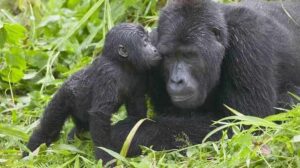
Mountain gorillas are among Africa’s most remarkable wildlife species, and protecting them means protecting much more than a single animal. Their survival depends on the forests of Bwindi Impenetrable National Park and Mgahinga Gorilla National Park in Uganda, as well as Volcanoes National Park in Rwanda and the wider Virunga landscape.
So, why protect mountain gorillas?
Mountain gorillas need protection because their population remains small, their natural habitat is geographically restricted, and they face threats such as habitat pressure, disease, human disturbance and illegal activities. Conservation also protects the forests and biodiversity surrounding them while supporting local communities through tourism and other conservation initiatives.
For travellers planning a gorilla trekking safari in Uganda or Rwanda, understanding conservation makes the experience even more meaningful.
Quick Answer: Why Are Mountain Gorillas Protected?
Mountain gorillas are protected because:
- Their natural range is very limited.
- They remain classified as Endangered by the IUCN.
- Their forest habitat faces pressure from surrounding human activities.
- Disease transmission can threaten gorilla populations.
- Anti-poaching and ranger protection are essential.
- Gorilla tourism generates revenue that supports conservation and communities.
- Protecting gorilla habitat also protects many other plants and animals.
- Conservation creates employment and economic opportunities around protected areas.
- Uganda, Rwanda and the Democratic Republic of Congo need continued cooperation to protect the wider mountain gorilla population.
The mountain gorilla’s conservation story demonstrates that sustained protection can make a measurable difference. The IUCN notes that the subspecies improved from Critically Endangered to Endangered following collaborative conservation efforts, although significant threats remain.
Where Do Mountain Gorillas Live?
Mountain gorillas have one of the smallest geographic ranges of any great ape.
Their remaining habitat is concentrated in two major landscapes:
- Bwindi-Sarambwe
- The Virunga Massif
These landscapes extend across Uganda, Rwanda and the Democratic Republic of Congo.
In Uganda, travellers can see mountain gorillas in:
- Bwindi Impenetrable National Park
- Mgahinga Gorilla National Park
Rwanda’s principal gorilla trekking destination is:
- Volcanoes National Park
The Virunga landscape also extends into the Democratic Republic of Congo.
Because the gorillas depend on a relatively small area of high-altitude forest, protecting these forests is fundamental to their long-term survival.
1. Mountain Gorillas Are an Endangered Subspecies
One of the most important reasons to protect mountain gorillas is their conservation status.
The IUCN currently classifies the mountain gorilla as Endangered. This is an improvement from its former Critically Endangered classification, but it does not mean the conservation challenge is over.
The improvement demonstrates what long-term conservation can achieve.
Anti-poaching patrols, veterinary interventions, habitat protection, research, monitoring and community involvement have all contributed to conservation progress.
However, because mountain gorillas occupy a restricted range, continued conservation remains essential.
2. Protecting Gorillas Means Protecting Their Forest Habitat
Mountain gorillas depend on healthy forests for food, shelter, movement and social life.
Bwindi and the Virunga mountain forests contain much more than gorillas. They provide habitat for numerous species of:
- Birds
- Primates
- Butterflies
- Amphibians
- Forest mammals
- Trees and other plants
Protecting the forest therefore creates a wider conservation benefit.
The loss or degradation of forest habitat could affect the entire ecosystem rather than gorillas alone.
This is why gorilla conservation and forest conservation are closely connected.
3. Gorilla Conservation Protects Other Wildlife
Mountain gorillas are an important part of a much larger ecosystem.
When a forest is protected for gorillas, other wildlife can also benefit from the same protected habitat.
Conservation measures can therefore help maintain:
- Forest biodiversity
- Natural vegetation
- Water catchments
- Wildlife corridors
- Bird habitats
- Primate habitats
- Ecological processes
The IUCN’s broader conservation work emphasizes the importance of protected areas in maintaining biodiversity and ecosystem services.
4. Mountain Gorillas Face Disease Risks
Disease is another important reason for strict gorilla protection.
Because mountain gorillas share many biological characteristics with humans, some human diseases can potentially affect them.
This is one reason gorilla trekking regulations include measures designed to reduce unnecessary contact between visitors and gorillas.
Conservation organisations have also developed health-monitoring and One Health approaches that consider human, animal and ecosystem health together. The IUCN has highlighted disease-risk management as an important component of protected-area conservation.
For tourists, responsible behaviour is therefore part of conservation.
5. Gorilla Tourism Helps Fund Conservation
Gorilla trekking has become an important part of the tourism economies of Uganda and Rwanda.
Travellers pay for permits, accommodation, transport, guiding services and other tourism products.
This creates an economic chain involving:
- Wildlife authorities
- Rangers
- Guides
- Trackers
- Porters
- Lodge employees
- Drivers
- Local restaurants
- Craft producers
- Community tourism projects
- Safari companies
Mambo Gorilla Safaris Uganda helps travellers experience gorilla trekking while combining it with other destinations and activities.
For example, Mambo’s 3 Days Bwindi Gorilla Tour combines gorilla trekking with a cultural experience, giving travellers an opportunity to connect with both wildlife and surrounding communities.
6. Gorilla Tourism Creates Local Employment
Conservation works best when surrounding communities can benefit from protecting wildlife.
Gorilla tourism supports employment opportunities in and around protected areas.
These can include:
- Safari guides
- Gorilla trackers
- Park rangers
- Porters
- Lodge staff
- Drivers
- Restaurant workers
- Cultural guides
- Artisans
- Community tourism operators
This means a gorilla trekking trip can have economic effects that extend well beyond the park boundary.
7. Conservation Supports Communities Around Gorilla Habitats
People living around protected forests are important partners in conservation.
Community participation can include:
- Tourism employment
- Cultural experiences
- Conservation education
- Community development projects
- Sustainable livelihood programmes
- Environmental awareness
- Forest restoration activities
The broader conservation approach increasingly recognises the connection between healthy ecosystems and resilient communities. IUCN’s recent work in Rwanda and Uganda similarly highlights the relationship between conservation, livelihoods and local economic opportunities.
8. Mountain Gorilla Conservation Supports Scientific Research
Gorillas provide opportunities for researchers to study:
- Primate behaviour
- Social structures
- Reproduction
- Population dynamics
- Disease
- Veterinary medicine
- Forest ecology
- Human-wildlife relationships
Long-term research helps conservationists understand what is happening within gorilla populations and identify emerging threats.
This is particularly important for a species with such a restricted natural range.
9. Protecting Gorillas Helps Preserve Natural Ecosystems
Bwindi and the Virunga forests are not simply tourist attractions.
They are functioning ecosystems.
Forest protection contributes to:
- Biodiversity conservation
- Water catchment protection
- Soil protection
- Carbon storage
- Climate resilience
- Habitat preservation
Uganda’s wider forest restoration efforts also recognise the importance of forests for water, food, energy and other ecosystem benefits.
Therefore, protecting mountain gorillas is part of a much wider environmental conservation effort.
10. Rangers Are Essential to Gorilla Protection
Rangers and trackers play a crucial role in daily conservation.
Their responsibilities can include:
- Monitoring gorilla groups
- Conducting patrols
- Looking for illegal activities
- Removing potential threats such as snares
- Monitoring forest conditions
- Supporting visitors during trekking
- Reporting unusual wildlife behaviour
- Supporting conservation authorities
The history of mountain gorilla conservation shows that sustained field protection has been an important part of population recovery.
11. Gorilla Conservation Requires Uganda, Rwanda and DRC to Work Together
Mountain gorillas do not recognise political borders.
Their conservation landscape extends across Uganda, Rwanda and the Democratic Republic of Congo.
This makes regional cooperation particularly important.
Conservation organisations and governments can cooperate through:
- Research
- Ranger protection
- Veterinary programmes
- Wildlife monitoring
- Information sharing
- Disease surveillance
- Tourism management
- Community conservation
The mountain gorilla’s improvement in conservation status has been associated with collaborative conservation across national boundaries.
How Are Mountain Gorillas Protected in Uganda?
Uganda protects mountain gorillas primarily through the management of Bwindi Impenetrable National Park and Mgahinga Gorilla National Park.
Protection involves several complementary approaches.
Ranger and field monitoring
Gorilla groups are monitored regularly by trained conservation personnel.
Regulated gorilla trekking
Tourism is controlled through permits, visitor rules and professional guiding.
Veterinary and health monitoring
Gorilla health is monitored because disease can pose serious risks to wild populations.
Community conservation
Communities surrounding protected areas are involved in conservation and tourism initiatives.
Research
Researchers contribute information needed to understand gorilla populations and their habitat.
Together, these approaches create a multi-layered conservation system.
How Are Mountain Gorillas Protected in Rwanda?
Rwanda protects mountain gorillas primarily through Volcanoes National Park, which forms part of the wider Virunga ecosystem.
Conservation efforts include:
- Gorilla monitoring
- Ranger protection
- Veterinary care
- Controlled tourism
- Research
- Community involvement
- Habitat protection
- Regional cooperation
Rwanda’s recent conservation programmes also emphasise the relationship between gorilla protection, community livelihoods and the wider Virunga landscape.
How Does Gorilla Trekking Help Conservation?
One of the most common questions from travellers is whether gorilla trekking actually helps protect gorillas.
The answer is that well-managed gorilla tourism can provide an economic incentive for conservation.
A gorilla trekking safari creates demand for:
- Gorilla permits
- Accommodation
- Local guides
- Trackers
- Porters
- Transport
- Restaurants
- Cultural experiences
- Local products
It also creates a reason for forests to remain valuable as protected wildlife habitats.
For travellers, this means the choice of a responsible safari operator and responsible behaviour during trekking can contribute to the wider conservation system.
How Mambo Gorilla Safaris Uganda Supports Responsible Gorilla Tourism
At Mambo Gorilla Safaris Uganda, gorilla trekking can be incorporated into carefully planned Uganda and Rwanda safari itineraries.
The company offers gorilla-focused experiences as well as wider wildlife and primate safaris.
For example, Mambo’s existing Uganda itineraries combine gorilla trekking with destinations such as Lake Mburo, Queen Elizabeth National Park and other wildlife areas.
Mambo also offers a flying gorilla safari for travellers who prefer to reduce long road transfers to Bwindi.
For visitors interested in combining primates and wildlife, Mambo’s longer Uganda itineraries can include chimpanzee trekking, gorilla trekking and game viewing.
This makes it possible to build a safari around your interests, available time and preferred travel style.
How Can Tourists Help Protect Mountain Gorillas?
Travellers can contribute to gorilla conservation by following responsible tourism practices.
Follow all trekking rules
Listen carefully to your ranger and guide.
Maintain the required distance
Do not deliberately move closer to gorillas for photographs.
Never feed gorillas
Wild gorillas should remain dependent on their natural environment.
Avoid visiting when sick
If you have an infectious illness, inform your safari operator and follow the park’s guidance.
Avoid littering
Everything brought into the forest should be handled responsibly.
Consider hiring a porter
Porter services provide direct income to local people and can also make a demanding trek easier.
Support local businesses
Buying locally made crafts and using community tourism services can spread tourism benefits.
Choose a responsible safari operator
Work with an operator that follows official conservation and tourism regulations.
Why Is Bwindi Important for Mountain Gorilla Conservation?
Bwindi is one of Uganda’s most important mountain gorilla conservation landscapes.
The forest provides habitat for mountain gorillas while also supporting exceptional biodiversity.
For travellers, gorilla trekking in Bwindi offers more than wildlife viewing. It provides an opportunity to experience one of Uganda’s most important conservation landscapes directly.
Mambo’s 3-day Bwindi gorilla safari is one example of how travellers can combine gorilla trekking with a cultural experience around the forest.
Why Visit Uganda for a Gorilla Conservation Safari?
Uganda offers travellers the opportunity to combine gorilla trekking with a much broader safari experience.
Depending on the itinerary, you can combine gorillas with:
- Queen Elizabeth National Park
- Lake Mburo National Park
- Kibale Forest
- Murchison Falls National Park
- Ishasha
- Golden monkey experiences
- Cultural experiences
- Chimpanzee trekking
- Nature walks
For example, Mambo offers a safari combining Bwindi gorillas and Lake Mburo, allowing travellers to experience primates and savannah wildlife within one trip.
A longer Uganda safari can also combine gorilla trekking with chimpanzee tracking and several national parks.
Can Gorilla Trekking Be Combined With Rwanda?
Yes.
Travellers can design an East African primate itinerary that includes Uganda and Rwanda.
Mambo Gorilla Safaris Uganda also offers Rwanda gorilla experiences in Volcanoes National Park.
A Uganda-Rwanda itinerary can therefore provide opportunities to experience different landscapes and conservation areas while learning about the wider mountain gorilla ecosystem.
The Future of Mountain Gorilla Conservation
Mountain gorilla conservation has demonstrated that sustained conservation action can produce positive results.
However, the species remains Endangered and its habitat remains geographically restricted.
Future conservation will require continued attention to:
- Forest protection
- Disease prevention
- Anti-poaching
- Scientific research
- Responsible tourism
- Community livelihoods
- Habitat restoration
- Regional cooperation
- Climate and environmental pressures
The objective is not simply to increase the number of gorillas.
It is to maintain a healthy, connected ecosystem in which mountain gorillas and surrounding communities can continue to coexist.
Plan a Responsible Gorilla Safari With Mambo Gorilla Safaris Uganda
Seeing a mountain gorilla in its natural forest habitat is a powerful wildlife experience, but the experience is also connected to a much bigger conservation story.
By protecting mountain gorillas, conservationists are also protecting forests, biodiversity, research opportunities and tourism-based livelihoods.
If you are planning a gorilla trekking safari in Uganda or Rwanda, Mambo Gorilla Safaris Uganda can help organize your itinerary, including gorilla permits, accommodation, transport, guides and additional wildlife or cultural experiences.
Start planning your gorilla conservation safari with Mambo Gorilla Safaris Uganda and experience Uganda’s remarkable mountain gorillas responsibly.


