Email: info@mambogorillasafarisuganda.com | Call: +256772666331

Best Off-Season Safari Experience in Tanzania: A Complete Travel Guide

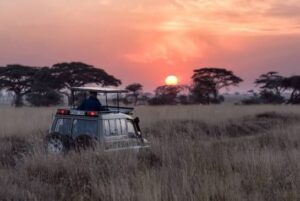
Tanzania is one of Africa’s most rewarding safari destinations, famous for the Serengeti National Park, the Great Wildebeest Migration, Ngorongoro Crater, Tarangire National Park and its extraordinary wildlife. Although many travelers plan their holidays during the peak dry season, an off-season safari in Tanzania can offer a different and equally memorable experience.
The green season transforms the landscape into a world of fresh grass, dramatic skies, flowering vegetation and excellent bird-watching opportunities. Visitor numbers can be lower at certain destinations, and some lodges may offer more attractive rates outside peak periods. The experience depends on the month, the park and the conditions during your visit.
Traveling during the quieter months can also provide opportunities to witness the wildebeest calving season in the southern Serengeti, photograph wildlife against lush scenery and enjoy a more relaxed safari atmosphere.
At Mambo Gorilla Safaris Uganda, we help travelers plan East African adventures that combine Tanzania’s wildlife destinations with other experiences across the region, including Uganda’s mountain gorilla trekking and primate safaris.
What Is the Best Off-Season for a Tanzania Safari?
Tanzania’s off-season is not one single period. It varies according to the region, weather patterns, wildlife movements and travel demand.
For much of the northern safari circuit, the main periods to consider are:
- November to December: The short rains often bring fresh green landscapes and migratory birds.
- January to March: The southern Serengeti and Ndutu region can be excellent for the wildebeest calving season, especially around February, depending on rainfall and herd movements.
- April to May: The long rains can bring quieter parks and potentially lower accommodation rates, but heavy rainfall may affect roads, access and some lodge operations.
The best dates depend on what you want to experience. If you want to photograph newborn wildebeest and predator activity, the calving season may be more suitable than the wettest part of April or May. If your priority is lower visitor numbers and lush scenery, the longer rainy season may be worth considering.
Tanzania’s weather varies by region, so ask your safari operator to plan around the particular parks you intend to visit. https://www.tanzaniatourism.com/about/when-to-travel
Why Choose an Off-Season Safari in Tanzania?
Traveling outside the busiest safari months can provide several advantages, especially for visitors who are flexible about weather and daily plans.
1. Enjoy Greener Landscapes
Rain transforms many parts of Tanzania’s savannah into lush green landscapes. Fresh grass, cloud formations and dramatic light create excellent conditions for photography.
Instead of the dry, dusty scenery associated with the peak safari season, visitors may encounter flourishing vegetation, seasonal pools and beautiful contrasts between green plains and distant hills.
The scenery can be particularly attractive in the Serengeti and Ngorongoro region.
2. Experience Potentially Lower Accommodation Rates
Some safari lodges and camps reduce their rates during quieter periods, especially during parts of the long rainy season.
This may allow travelers to consider accommodation or experiences that would be more expensive during peak demand.
However, discounts are not guaranteed. Prices depend on the property, dates, availability, included services and local conditions. Some camps close seasonally, so confirm the actual offer and operating dates before booking.
3. Explore Parks With Fewer Visitors in Some Areas
The number of safari vehicles can be lower in certain parks and regions during the off-season.
A quieter atmosphere may allow more time to appreciate the landscape and enjoy sightings without the same level of visitor activity experienced at popular locations during peak periods.
Crowds do not disappear everywhere, however. Well-known wildlife areas and major attractions can remain busy during special events and holiday periods.
4. Discover Excellent Bird Watching
The green season can be especially rewarding for bird enthusiasts. Migratory birds arrive in Tanzania during parts of the rainy season, adding variety to the country’s already rich birdlife.
Wetlands, woodlands, grasslands and lakes provide different habitats to explore.
Bird watching can be particularly enjoyable in the Serengeti, Tarangire, Ngorongoro and other suitable wildlife areas, depending on the season and species you hope to see.
5. Witness the Wildebeest Calving Season
One of the most memorable reasons to visit Tanzania outside the traditional peak dry season is the wildebeest calving season.
During the early months of the year, large numbers of wildebeest gather on the southern Serengeti and Ndutu plains when conditions are suitable. Many calves are born within a relatively short period, attracting predators such as lions, hyenas and cheetahs.
This creates exceptional opportunities to observe wildlife behaviour and photograph the herds.
The exact location and timing of the herds depend on rainfall, grass availability and migration movements, so your itinerary should remain flexible.
Best National Parks for an Off-Season Safari in Tanzania
Choosing the right parks is essential for a successful off-season safari. Some destinations are particularly rewarding during the green season, while others may be more challenging during periods of heavy rain.
1. Serengeti National Park
The Serengeti is one of Tanzania’s leading safari destinations and a strong choice for travelers interested in wildlife throughout the year.
During the green season, the plains can become lush, and migratory wildebeest move toward the southern Serengeti and Ndutu region when conditions are suitable.
Things to do in the Serengeti include:
- Guided game drives
- Wildebeest and zebra viewing
- Searching for lions, cheetahs and other predators
- Wildlife photography
- Bird watching
- Hot-air balloon safaris where available
For travelers interested in the calving season, choose accommodation and activities based on the expected herd location rather than booking solely according to the month.
The Serengeti remains a major wildlife destination year-round, but individual regions can offer very different experiences depending on the season. https://tanzaniaparks.go.tz/serengeti
2. Ngorongoro Conservation Area
The Ngorongoro Conservation Area is another strong option for an off-season Tanzania safari.
Its famous crater contains varied habitats and supports a wide range of wildlife, including zebras, wildebeest, buffaloes and predators. The crater landscape also offers excellent scenery for photography.
Potential activities include:
- A guided game drive into Ngorongoro Crater
- Wildlife photography
- Bird watching
- Scenic viewpoints
- Learning about the area’s conservation significance
- Cultural experiences arranged through authorized providers
The crater can be rewarding throughout the year, including the rainy season. However, weather can affect visibility, road conditions and the timing of excursions.
Travelers should also understand that the Ngorongoro Conservation Area is a managed conservation landscape with its own regulations and fees.
3. Tarangire National Park
Tarangire National Park is famous for elephants, baobab trees, riverine habitats and diverse birdlife.
The park is often particularly associated with dry-season wildlife concentrations, when animals gather around remaining water sources. During the green season, the scenery changes, and bird watching can be attractive.
Possible experiences include:
- Guided game drives
- Elephant viewing
- Bird watching
- Landscape photography
- Exploring baobab-dotted scenery
Tarangire can still be considered during parts of the off-season, but wildlife distribution may differ from the dry months. If your main goal is to see large concentrations of animals around the river, discuss seasonal expectations with your guide.
For current park information, visit the Tanzania National Parks Authority.
4. Lake Manyara National Park
Lake Manyara National Park offers a compact combination of forest, lake, woodland and open habitats.
It can be included in a northern Tanzania itinerary for travelers who want to explore different ecosystems rather than spending the entire trip in one park.
Depending on conditions, visitors may encounter elephants, giraffes, buffaloes, baboons and numerous bird species.
Possible activities include:
- Guided game drives
- Bird watching
- Landscape photography
- Forest and lakeside wildlife viewing
Because the park’s habitats and wildlife movements change with the seasons, ask your guide which areas are likely to be most rewarding during your dates.
5. Ruaha National Park
Ruaha National Park is an option for travelers who want to explore southern Tanzania rather than follow the northern safari circuit.
It is known for its extensive wilderness, river systems and diverse wildlife. Seasonal changes affect animal movements, vegetation and access.
The dry season is often especially rewarding for wildlife concentrations around water sources. During rainy periods, the landscape may be greener, but some roads and activities can become more difficult.
Ruaha may be a good fit for travelers who prefer a more remote safari and have enough time to plan the additional travel involved.
Before booking, confirm seasonal camp openings, transport options and road conditions.
What Wildlife Can You See During Tanzania’s Off-Season?
An off-season safari can provide excellent wildlife viewing, although sightings depend on location, rainfall, habitat and animal movements.
Depending on the parks visited, travelers may see:
- Lions
- Elephants
- Zebras
- Wildebeest
- Buffaloes
- Giraffes
- Hippos
- Hyenas
- Cheetahs in suitable areas
- Numerous resident and migratory birds
The southern Serengeti can be particularly rewarding during the calving season. Ngorongoro offers a different mix of wildlife in its crater environment, while Tarangire is known for elephants and seasonal wildlife movements.
No safari operator can guarantee sightings of particular animals. A flexible itinerary and experienced guide can improve your chances of making the most of the available conditions.
Is the Rainy Season a Good Time for a Tanzania Safari?
Yes, the rainy season can be a good time to visit Tanzania, provided you choose the right region and understand the possible challenges.
The green season has advantages, but it also requires realistic expectations.
Benefits of traveling during the rainy season
- Green scenery and attractive photographic conditions
- Opportunities for migratory bird watching
- Potentially fewer visitors in some areas
- Possible accommodation offers during quieter periods
- Access to the southern Serengeti calving season at the appropriate time
Challenges to consider
- Muddy roads and slower transfers
- Heavy showers during parts of the long rains
- Some camps or lodges closing seasonally
- Changes to planned activities due to weather
- Wildlife being more dispersed in areas with abundant water and vegetation
April and May can be especially wet in parts of northern Tanzania. If you plan to travel during this period, ask about alternative routes, road access and accommodation operating schedules.
For a first-time safari traveler with very limited time, the shoulder season or a more weather-reliable period may be preferable to the wettest months.
How Much Does an Off-Season Safari in Tanzania Cost?
The cost of a Tanzania safari depends on the itinerary and what is included. Traveling in the off-season may provide savings, but it is not automatically cheaper for every destination or travel date.
Important cost factors include:
- Number of safari days
- Number of travelers
- Accommodation category
- Private or shared safari vehicle
- Park and conservation fees
- Guide services
- Domestic flights or road transfers
- Meals and drinks
- Optional activities such as balloon safaris
- Seasonal accommodation rates
A longer safari can cost more overall while offering a lower average cost per day in some circumstances. The most useful comparison is an itemized quotation for the same travel dates and inclusions.
Before booking, confirm whether the price includes park fees, transfers, meals, accommodation, activities and applicable taxes. Ask about cancellation terms and what happens if weather affects a scheduled activity.
Suggested 5-Day Off-Season Tanzania Safari Itinerary
This sample itinerary focuses on the northern circuit and can be adjusted according to the season, wildlife movements and accommodation availability.
Day 1: Arrive in Arusha
Arrive in Arusha and transfer to your accommodation.
Depending on your arrival time, enjoy a relaxed afternoon and meet your safari guide to review the route and planned activities.
Overnight: Arusha.
Day 2: Tarangire National Park
Travel to Tarangire for a guided game drive through its varied habitats.
Look for elephants, antelopes, giraffes and birdlife while enjoying the park’s distinctive baobab landscapes.
Overnight: Tarangire area or another suitable location.
Day 3: Travel Toward Ngorongoro
Enjoy a morning activity if time permits, then travel toward the Ngorongoro region.
Take in the highland scenery and prepare for the following day’s crater excursion.
Overnight: Ngorongoro or Karatu area, depending on your booked accommodation.
Day 4: Ngorongoro Crater Safari
Descend into the crater for a guided game drive, subject to park regulations and operating arrangements.
The day offers opportunities to view wildlife in a remarkable landscape and learn about the conservation area.
Overnight: Karatu or another suitable location.
Day 5: Continue to the Serengeti or Depart
If your flight and schedule allow, continue toward the Serengeti for an additional wildlife experience. Otherwise, transfer toward your departure point.
Important: Five days may be too short to explore Tarangire, Ngorongoro and the Serengeti properly, particularly when road travel is involved. For the calving season, consider a longer itinerary that allocates adequate time to the southern Serengeti or Ndutu area.
Suggested 7-Day Tanzania Green Season Safari
For travelers who want to focus on the Serengeti’s calving season, a seven-day safari offers more flexibility.
Day 1: Arrive in Arusha.
Day 2: Travel to the Ngorongoro or Karatu area.
Day 3: Enjoy a Ngorongoro Crater game drive.
Day 4: Travel toward the southern Serengeti or Ndutu region.
Day 5: Explore the plains on guided game drives, looking for wildebeest herds, calves and predators.
Day 6: Continue wildlife viewing and photography in the most suitable area for current herd movements.
Day 7: Begin the return journey or connect to your next destination.
The exact route depends on the time of year, accommodation, road conditions and where the herds are located. For this reason, confirm the itinerary with a safari operator familiar with seasonal movements.
What Should You Pack for an Off-Season Tanzania Safari?
Packing properly helps you remain comfortable when weather conditions change.
Consider bringing:
- Lightweight clothing that dries quickly
- A waterproof jacket
- Comfortable walking shoes
- Closed shoes for game drives and lodge grounds
- Warm layers for cool early mornings
- Sunscreen and a hat
- Insect repellent
- Binoculars
- A camera and spare batteries
- A waterproof bag for electronics
- Personal medication
- A reusable water bottle
For photography, consider carrying a protective cover for your camera and extra storage for images.
If you are traveling during the long rains, ask your operator whether your route requires particular footwear or other equipment.
Practical Tips for Planning an Off-Season Safari
A successful off-season safari depends on planning for seasonal conditions rather than expecting every day to follow a fixed schedule.
- Choose your wildlife priorities first. Decide whether you want the wildebeest calving season, elephants, birdlife or a broader wildlife experience.
- Select parks according to the season. Different areas offer different opportunities at different times of year.
- Confirm accommodation opening dates. Some camps operate seasonally.
- Allow flexibility in the itinerary. Weather and road conditions may affect travel times.
- Ask about backup plans. Find out how your operator handles road closures or disrupted activities.
- Compare full safari quotations. Check what is included rather than comparing only the headline price.
- Book important activities in advance. Popular locations and certain experiences may still have high demand outside peak season.
These steps help you make informed decisions and reduce the risk of disappointment.
Can You Combine a Tanzania Safari With Uganda Gorilla Trekking?
Yes. Travelers who have enough time can combine Tanzania’s wildlife destinations with Uganda’s mountain gorilla trekking and other primate experiences.
A regional itinerary might include:
Serengeti National Park + Ngorongoro Crater + Bwindi Impenetrable National Park.
Depending on your interests, you could also add chimpanzee tracking, golden monkey tracking or other wildlife destinations in Uganda.
A Tanzania–Uganda trip requires careful coordination of flights or road transfers, park permits, accommodation and immigration requirements. It is usually more comfortable to allow sufficient time for each destination rather than trying to fit too many activities into a short holiday.
Mambo Gorilla Safaris Uganda can help you explore a multi-country itinerary based on your available time, interests and budget.
Why Plan Your East African Safari With Mambo Gorilla Safaris Uganda?
An off-season safari requires knowledge of seasonal conditions, wildlife movements, road access and accommodation availability. The right planning can help you get more from your trip while keeping the itinerary realistic.
Mambo Gorilla Safaris Uganda can help travelers plan East African wildlife adventures that may include:
- Tanzania wildlife safaris
- Serengeti and Ngorongoro itineraries
- Gorilla trekking in Uganda
- Chimpanzee tracking
- Golden monkey tracking
- Multi-country East African safari combinations
When requesting a quotation, provide your travel dates, number of travelers, preferred accommodation level, budget and most important wildlife interests. This allows your safari planner to recommend suitable destinations and travel arrangements.
Frequently Asked Questions About Off-Season Safaris in Tanzania
What is the best month for an off-season safari in Tanzania?
There is no single best month for every traveler. November and December can offer green scenery and bird watching, while January to March can be rewarding for the wildebeest calving season in the southern Serengeti. April and May are wetter and may offer quieter conditions, but road and camp availability require careful checking.
Is Tanzania worth visiting during the rainy season?
Yes. Many travelers enjoy the lush scenery, birdlife and opportunities for wildlife photography. However, heavy rain can affect roads, activities and accommodation availability, especially during parts of April and May.
Can I see the Great Migration during the off-season?
Yes. The Great Migration continues throughout the year as herds move across the Serengeti ecosystem. The location changes with rainfall, grazing conditions and other factors. The southern Serengeti and Ndutu region can be rewarding during the calving season, but the exact timing varies.
Is an off-season safari cheaper?
It can be, particularly when accommodation providers offer lower rates during quieter periods. However, prices vary by destination, property, activity and date. Always compare full quotations before booking.
Which parks are best during Tanzania’s green season?
The Serengeti is a strong option for travelers interested in the calving season. Ngorongoro offers year-round wildlife viewing, while Tarangire and Lake Manyara may appeal to travelers interested in varied habitats and birdlife. The best combination depends on the month and your wildlife priorities.
Are all safari lodges open during the off-season?
No. Some camps and lodges close during parts of the rainy season or operate with reduced services. Confirm operating dates before making non-refundable travel arrangements.
Is an off-season safari suitable for families?
It can be, provided the itinerary accounts for weather, road conditions, children’s needs and suitable accommodation. Choose activities appropriate for the ages of the travelers and allow enough rest time between transfers.
Can I combine Tanzania and Uganda on one safari?
Yes. With enough time, you can combine Tanzania’s national parks with gorilla trekking and other wildlife experiences in Uganda. Plan international transfers, permits and border requirements well in advance.
Final Thoughts: Is an Off-Season Safari in Tanzania Worth It?
An off-season safari in Tanzania can be an excellent choice for travelers who value green landscapes, bird watching, fewer crowds in some locations and the possibility of experiencing the wildebeest calving season.
The key is to choose the right destinations for your travel dates. The Serengeti and Ndutu region may be particularly rewarding during calving season, Ngorongoro offers varied wildlife and scenery, and Tarangire provides a different landscape and wildlife experience.
The rainy season also has challenges, so check road conditions, lodge opening dates and activity availability before booking.
Plan your Tanzania safari with Mambo Gorilla Safaris Uganda and explore options for a green-season wildlife holiday or a wider East African adventure combining Tanzania’s wildlife with Uganda’s gorillas, chimpanzees and other natural attractions.


