Email: info@mambogorillasafarisuganda.com | Call: +256772666331

Best Off-Season Safari Experiences in Kenya: Where to Go and What to See

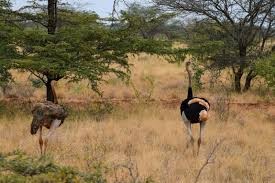
Kenya is one of Africa’s most celebrated safari destinations, famous for its spectacular wildlife, open savannahs, dramatic landscapes and the Great Wildebeest Migration. However, you do not have to travel during the busiest months to enjoy an unforgettable Kenyan safari.
The best off-season safari experiences in Kenya can include exciting wildlife drives, bird watching, green landscapes, photography, cultural encounters and opportunities to explore national parks at a different pace. For travelers with flexible dates, the quieter periods can also provide greater choice when comparing accommodation and safari packages, although savings are not guaranteed.
Kenya’s off-season is commonly associated with the long rains from April to June, but weather patterns vary by region. Short rains also occur in some areas later in the year. The Kenya Wildlife Service explains that park conditions and wildlife-viewing opportunities vary with the seasons, and some roads may require a four-wheel-drive vehicle during rainy periods.
At Mambo Gorilla Safaris Uganda, we help travelers plan personalized East African safari holidays. A Kenya safari can be combined with Uganda gorilla trekking, Rwanda primate experiences or Tanzania wildlife adventures for travelers who want to explore more of the region.
What Is the Off-Season for Safaris in Kenya?
The term off-season generally refers to periods when visitor numbers are lower than during the busiest safari months. In much of Kenya, April to June is associated with the long rains and is often considered a lower-demand period.
However, Kenya does not have one identical safari season everywhere. Rainfall, wildlife movements, road conditions and visitor demand vary between parks and reserves.
For example, a green-season safari in the Maasai Mara may offer a different landscape and photography experience from a visit during the drier months. Amboseli, Lake Nakuru and Tsavo also have their own ecological conditions and wildlife-viewing characteristics.
Before choosing your dates, consider your priorities:
- Lower accommodation costs, where seasonal offers are available
- Fewer visitors at selected lodges and attractions
- Green landscapes and dramatic skies
- Bird watching and photography
- Wildlife viewing in different seasonal conditions
- The possibility of rain affecting roads and activities
The best off-season safari is not necessarily the cheapest or quietest. It is the one that matches your preferred destinations, activities, budget and tolerance for changing weather.
Why Choose an Off-Season Safari in Kenya?
Traveling outside the busiest periods can offer several advantages, particularly for visitors who are flexible with dates and destinations.
1. Enjoy Kenya’s Green Landscapes
Rain transforms many Kenyan landscapes, encouraging fresh vegetation and creating beautiful scenery for photography.
Instead of dry, dusty plains, you may find green grasslands, cloud-filled skies and vibrant vegetation. These conditions can make scenic drives and wildlife photography especially rewarding.
2. Look for Seasonal Accommodation Offers
Some lodges, camps and tour operators offer lower rates or special packages during selected low-demand periods.
However, not every property reduces its prices, and park entry fees and other charges may remain unchanged. Compare the complete cost of your safari rather than assuming that traveling in the rainy season will always be cheaper.
3. Enjoy Bird Watching
Seasonal changes can make bird watching particularly rewarding. Kenya supports diverse birdlife across its wetlands, forests, lakes and savannah ecosystems.
The species you see depend on the location and time of year, but bird enthusiasts may find a green-season trip worthwhile.
4. Explore at a More Relaxed Pace
Some destinations and accommodation properties may be quieter outside peak travel periods. This can provide a more relaxed atmosphere, although visitor numbers vary by park and date.
5. Combine Wildlife With Cultural Experiences
A Kenya safari can include more than game drives. Depending on your route, you can add community-led cultural activities, local food experiences, scenic viewpoints and visits to nearby towns.
Choose experiences that respect local customs and provide fair benefits to participating communities.
1. Experience the Maasai Mara During the Green Season
The Maasai Mara National Reserve is one of Kenya’s most famous safari destinations. Its wide grasslands support a rich variety of wildlife, including lions, elephants, giraffes, zebras, buffaloes and numerous antelope species.
Although the reserve is especially famous for the Great Wildebeest Migration, wildlife viewing is not limited to migration season.
What makes an off-season Maasai Mara safari special?
During wetter periods, the landscape may become greener and more photogenic. Cloud formations, fresh vegetation and changing light create opportunities for photographers who enjoy capturing landscapes as well as animals.
Depending on local conditions, visitors may encounter resident wildlife during game drives and enjoy a less crowded atmosphere at selected properties.
What should you know before booking?
The long rains can make some tracks muddy or difficult to navigate. Travel times may increase, and wildlife can be harder to spot when vegetation is thicker.
If seeing the Great Migration is your main priority, plan around the herds’ seasonal movements rather than assuming the migration will be present throughout the off-season. The timing of wildlife movements varies with rainfall and grazing conditions.
Best for: Wildlife photography, flexible travelers, green landscapes and visitors who want to experience the Maasai Mara beyond the busiest period.
2. Visit Amboseli National Park for Elephant Viewing
Amboseli National Park is renowned for its elephant herds and spectacular views of Mount Kilimanjaro when weather conditions allow.
The park’s mix of open plains, woodland, wetlands and marshes supports a range of wildlife and birdlife.
Why visit Amboseli in the off-season?
Rain can transform parts of the landscape, creating attractive scenery and changing the appearance of the park. Amboseli is also a destination where wildlife viewing and photography can be rewarding outside peak travel periods.
During suitable conditions, visitors may see elephants moving across the plains, buffaloes, zebras, giraffes and other wildlife.
What can you do in Amboseli?
- Join guided game drives.
- Photograph elephant herds and the surrounding landscape.
- Watch birds in wetland habitats.
- Enjoy scenic views of Mount Kilimanjaro when visible.
- Learn about local Maasai culture through appropriate community-led experiences.
Rain and cloud cover can obscure Kilimanjaro, so mountain views should never be guaranteed.
Kenya Wildlife Service provides official information about Amboseli’s wildlife, habitats and visitor guidelines.
Best for: Elephant enthusiasts, landscape photographers, couples and travelers who want a classic Kenyan safari.
3. Explore Lake Nakuru National Park
Lake Nakuru National Park is an excellent option for visitors interested in birdlife, scenic landscapes and rhino conservation.
The park protects black and white rhinos and supports a variety of other wildlife. Its lake, woodland, grassland and surrounding hills create a diverse environment for game drives and photography.
Why consider Lake Nakuru in the off-season?
Changing weather can produce dramatic skies and striking reflections around the lake. Bird watching may also be rewarding, although bird numbers and species vary with water conditions and season.
Possible sightings include rhinos, buffaloes, giraffes, zebras and a variety of birds. Flamingo numbers can fluctuate, so a large gathering should not be assumed on every visit.
Recommended activities
- Guided game drives
- Rhino viewing from permitted routes
- Bird watching
- Scenic photography
- Exploring designated viewpoints
- Observing the park’s varied habitats
Lake Nakuru is also a practical option for travelers building a longer route between Nairobi and other destinations in Kenya’s Rift Valley.
Best for: Bird watchers, photographers, families and travelers interested in rhino conservation.
4. Discover Tsavo East and Tsavo West National Parks
Tsavo East and Tsavo West form a vast safari region in southeastern Kenya, known for varied landscapes and large-scale wildlife habitats.
Tsavo East features expansive semi-arid scenery, while Tsavo West includes a more varied landscape with volcanic features, woodland and springs.
What makes Tsavo attractive during the off-season?
The changing weather can create dramatic scenery, contrasting vegetation and interesting photographic conditions. Tsavo’s large landscapes are particularly appealing to travelers who enjoy exploring beyond a single concentrated wildlife-viewing area.
Depending on the park and current conditions, wildlife sightings may include elephants, giraffes, zebras, buffaloes, antelopes and predators.
Activities to consider
- Guided game drives
- Wildlife photography
- Bird watching
- Scenic drives
- Exploring designated natural attractions
- Combining both parks in a longer itinerary
Because Tsavo covers a large area, plan your accommodation and route carefully. Rain can affect some roads, so confirm access conditions with your operator before departure.
Best for: Travelers seeking expansive landscapes, varied habitats and a longer southern Kenya safari.
5. Enjoy Bird Watching During Kenya’s Green Season
Bird watching is one of the strongest reasons to consider a safari outside the traditional peak period.
Kenya has a wide variety of habitats, including wetlands, lakes, forests, grasslands and coastal environments. These support resident birds and seasonal visitors.
Potential birding destinations include Lake Nakuru, Amboseli, the Maasai Mara and other suitable parks and reserves.
Why is off-season birding rewarding?
Seasonal changes can influence bird activity, breeding behaviour and the availability of food and water. Depending on the location, bird watchers may observe different species and behaviours than they would during another season.
For the best results:
- Travel with a knowledgeable birding guide.
- Bring binoculars and a camera with a suitable lens.
- Allow time for slow observation.
- Keep a field notebook or bird checklist.
- Avoid disturbing nests or sensitive habitats.
The most suitable destination depends on the species you want to see, so discuss your birding interests before selecting your route.
6. Experience Wildlife Photography in Kenya
The green season can be an appealing period for photographers who enjoy landscapes, changing light and environmental storytelling.
Fresh vegetation, cloud formations, rain showers and reflections can add variety to wildlife photographs.
Photography opportunities during the off-season
Depending on your destination, you may photograph:
- Elephants against green grasslands
- Giraffes and zebras in changing light
- Birds around lakes and wetlands
- Wildlife silhouettes beneath dramatic skies
- Scenic landscapes after rainfall
- Animals interacting with their environment
Photography conditions are not always easy. Rain, haze, muddy tracks and thick vegetation may make some shots more challenging.
Bring waterproof protection for your equipment, carry spare batteries and remain patient. Always follow your guide’s instructions and park regulations when photographing wildlife.
7. Combine a Safari With Maasai Cultural Experiences
A Kenya safari can be enriched by learning about the traditions, livelihoods and contemporary experiences of local communities.
In parts of the Maasai Mara and Amboseli regions, community-led cultural experiences may introduce visitors to local history, traditional crafts, music, dance and pastoral life.
What might a cultural visit include?
Depending on the community and arrangement, activities may include:
- Learning about traditional homes and settlement patterns
- Discovering local crafts
- Listening to cultural explanations and storytelling
- Learning about livestock and pastoral livelihoods
- Understanding local conservation initiatives
- Purchasing crafts directly from local artisans
Choose experiences that are organized with community participation and provide clear benefits to the people involved.
Always ask permission before taking photographs and respect local guidance on cultural practices.
A cultural experience can be included in an off-season safari when the activity is available and fits the route.
8. Explore Kenya’s Scenic Lakes and Rift Valley Landscapes
Kenya’s Great Rift Valley offers striking scenery, lakes, escarpments and opportunities for nature-based travel.
Depending on the itinerary, travelers may visit Lake Nakuru and other suitable scenic destinations or add viewpoints and local stops along the way.
The green season can make the landscape especially attractive for photography, but road conditions and accessibility should be checked before departure.
What can you enjoy?
- Scenic drives through the Rift Valley
- Photography of lakes and surrounding hills
- Bird watching at suitable wetlands
- Visits to designated viewpoints
- Nature walks where permitted
- Cultural and community experiences along the route
Plan these stops according to your main safari objectives. If wildlife viewing is your priority, avoid adding too many distant destinations to a short itinerary.
9. Consider a Kenya Coast Extension
Kenya’s coastal region offers a different experience from the inland safari parks. Destinations such as Diani, Watamu and Malindi are known for beaches and marine activities.
A coast extension can provide time to relax after several days of game drives.
Depending on local weather and sea conditions, visitors may enjoy beach walks, boat excursions, snorkeling, diving with qualified operators or cultural sightseeing.
However, rainy-season conditions can affect visibility and water activities. Check current marine conditions and the operating schedule before booking.
A coastal extension is especially suitable for travelers who want to combine wildlife viewing with relaxation.
10. Enjoy a More Flexible and Personalized Safari
One of the advantages of traveling outside the busiest periods is the opportunity to design a safari around specific interests rather than following a fixed peak-season pattern.
Depending on availability, you may be able to choose accommodation that suits your budget, spend longer in a favourite destination or include specialist activities such as bird watching and photography.
This does not mean every lodge will be available or that every park will be quiet. School holidays, public holidays, local events and special wildlife movements can influence demand.
For the best outcome, decide which experiences matter most and build your itinerary around them.
Best Months for an Off-Season Safari in Kenya
Kenya’s weather varies considerably by region, but the following guide provides a general starting point.
| Period | Typical considerations | Suitable interests |
|---|---|---|
| April–June | Long rains in many regions; some roads may become muddy | Green landscapes, photography, birding, selected lodge offers |
| July–October | Generally a popular safari period in many destinations | Classic wildlife viewing and potential migration experiences |
| November–December | Short rains often occur, with regional variation | Scenic landscapes, wildlife viewing and birding |
| January–March | Often drier in many areas, although conditions vary | Game drives, wildlife photography and selected outdoor activities |
These are general patterns, not guarantees. Kenya Wildlife Service notes that many parks experience their lower season during the long rains from April to June, while other areas have different climatic conditions.
Before booking, confirm local weather expectations, road accessibility and activity availability for your exact destinations and dates.
How to Plan a Successful Off-Season Safari in Kenya
Rainy-season travel can be rewarding, but preparation is important.
Choose the right vehicle
Some park roads become muddy or difficult after rainfall. Ask your operator whether a suitable four-wheel-drive safari vehicle is recommended for your itinerary.
Allow extra travel time
Do not schedule too many activities close together. Wet roads, reduced visibility and changing conditions can delay transfers.
Pack for changing weather
Bring lightweight clothing, a waterproof jacket, closed walking shoes, sun protection and protective covers for cameras and other equipment.
Confirm accommodation arrangements
Ask whether your chosen camp or lodge is operating on your travel dates and whether seasonal rates or special offers are available.
Set realistic wildlife expectations
Animals move freely across their habitats. Thick vegetation and weather conditions can affect visibility, and no operator can guarantee specific sightings.
Consider travel insurance
Choose travel insurance appropriate for your trip and planned activities, including any relevant cancellation, medical and adventure-activity coverage.
What Does an Off-Season Safari in Kenya Cost?
The cost of a Kenya safari depends on the park, travel dates, accommodation, transport and activities selected.
Important factors include:
- Number of travelers
- Number of safari days
- Private or shared transportation
- Accommodation category
- Park and reserve entry fees
- Guide and vehicle arrangements
- Cultural experiences
- Meals and other inclusions
- Seasonal accommodation offers
Some properties may offer reduced rates during selected low-demand periods, but park charges and other costs can remain unchanged. Do not assume that every off-season package is automatically cheaper.
Request an itemized quotation so you can compare what is included, what is excluded and whether the itinerary suits your budget.
Suggested 5-Day Off-Season Safari Itinerary in Kenya
This sample itinerary combines two well-known wildlife destinations. It can be adapted to suit your arrival point, budget, accommodation preferences and the road conditions expected during your travel dates.
Day 1: Arrive in Nairobi and Travel to Lake Nakuru
Arrive in Nairobi and meet your safari representative. Travel to the Lake Nakuru area, allowing time for the journey and any planned stops.
Depending on arrival time and park arrangements, enjoy an afternoon game drive or relax at your accommodation.
Overnight: Lake Nakuru area.
Day 2: Wildlife Viewing in Lake Nakuru National Park
Enjoy a guided game drive through suitable park habitats.
Look for rhinos, giraffes, buffaloes, zebras and birdlife while exploring the landscape. Wildlife sightings depend on conditions and animal movements.
Overnight: Lake Nakuru area or a suitable stop for the next day’s journey.
Day 3: Travel Toward the Maasai Mara
Transfer toward the Maasai Mara region. Allow sufficient time for the road journey, check-in and any scheduled activities.
If conditions and timing permit, enjoy a short afternoon game drive.
Overnight: Maasai Mara area.
Day 4: Full-Day Maasai Mara Safari
Enjoy morning and afternoon game drives, or a full-day excursion with a packed lunch where permitted and appropriate.
Explore the reserve with a qualified guide, looking for wildlife and enjoying the seasonal landscape.
If your main objective is the Great Migration, confirm the expected seasonal timing before selecting travel dates.
Overnight: Maasai Mara area.
Day 5: Morning Game Drive and Return
Enjoy an early game drive if your schedule allows, followed by breakfast and the return journey.
Depending on your departure flight, you may need an additional night in Nairobi rather than traveling directly to the airport.
Important: This itinerary involves significant road travel. In wet conditions, allow extra time and follow your operator’s advice on road accessibility. A longer itinerary may provide a more relaxed experience.
Why Book Your Kenya Safari With Mambo Gorilla Safaris Uganda?
A successful off-season safari requires careful planning around weather, road conditions, accommodation and wildlife activities.
Mambo Gorilla Safaris Uganda can help travelers plan customized East African journeys based on their interests, dates, group size and budget.
Depending on your requirements, you can discuss:
- Kenya wildlife safaris
- Maasai Mara game drives
- Amboseli elephant viewing
- Lake Nakuru wildlife experiences
- Tsavo National Parks
- Cultural activities
- Kenya and Tanzania combinations
- Kenya and Uganda itineraries with gorilla trekking
For travelers who want to explore beyond Kenya, a longer East African holiday can combine savannah wildlife with mountain gorilla trekking or chimpanzee tracking in Uganda.
Visit Mambo Gorilla Safaris Uganda to discuss your preferred itinerary and request a customized safari quotation.
Frequently Asked Questions About Off-Season Safaris in Kenya
What is the off-season for safaris in Kenya?
April to June is commonly associated with the long rains and lower visitor demand in many Kenyan parks. However, seasons and conditions vary by region, so confirm the conditions for your selected destinations.
Is Kenya worth visiting during the rainy season?
Yes. Travelers can enjoy wildlife viewing, green landscapes, bird watching and photography. However, rain may affect road conditions, visibility and the timing of some activities.
Can I see the Big Five during an off-season safari?
It is possible to see lions, leopards, elephants, buffaloes and rhinos during an off-season safari, depending on the destination and conditions. No wildlife sighting is guaranteed.
Can I see the Great Wildebeest Migration during the off-season?
The migration follows seasonal rainfall and grazing conditions. If seeing large migration herds is your main priority, plan your dates around the expected movement of the animals rather than assuming they will be in the Maasai Mara throughout the year.
Are off-season Kenya safaris cheaper?
Some lodges, camps and operators offer seasonal discounts, but savings vary. Compare the full itinerary cost, including accommodation, park fees, transport and activities.
Which Kenyan parks are suitable for off-season travel?
The Maasai Mara, Amboseli, Lake Nakuru, Tsavo East and Tsavo West can all be considered, depending on your interests, dates and the conditions expected at each destination.
What should I pack for a rainy-season safari?
Pack lightweight clothing, a waterproof jacket, closed shoes, sun protection, insect repellent and waterproof protection for electronic equipment. Your operator can advise on additional gear for the specific parks you will visit.
Is a four-wheel-drive vehicle necessary?
A suitable four-wheel-drive safari vehicle is recommended for some routes and park conditions during rainy periods. Confirm the vehicle requirements with your operator before departure.
Can I combine Kenya with Uganda or Tanzania?
Yes. East African itineraries can combine Kenya with Tanzania or Uganda, depending on your available time, border arrangements, permits and transportation. Allow sufficient days for transfers between destinations.
Final Thoughts: Discover the Best Off-Season Safari Experiences in Kenya
An off-season safari can reveal a different side of Kenya. Green landscapes, changing light, birdlife, wildlife encounters and opportunities for quieter travel can make the experience rewarding for visitors who plan carefully.
From the Maasai Mara’s open plains to Amboseli’s elephant habitats, Lake Nakuru’s birdlife and Tsavo’s expansive wilderness, Kenya offers a variety of destinations worth considering outside the busiest travel periods.
The key is to choose the right parks for your interests, understand the seasonal conditions and allow enough time for travel and wildlife viewing.
Plan your off-season Kenya safari with Mambo Gorilla Safaris Uganda. Share your preferred travel dates, budget and must-see wildlife experiences to start building an itinerary tailored to your needs.


