Email: info@mambogorillasafarisuganda.com | Call: +256772666331

Best Places to See the Big Five in Tanzania: A Complete Safari Guide

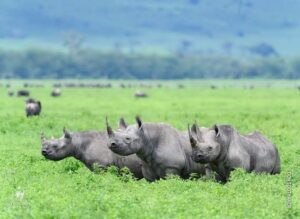
Tanzania is one of Africa’s most rewarding safari destinations, offering spectacular wildlife, vast savannahs, ancient baobab trees and some of the continent’s most famous national parks. For many travelers, one of the biggest safari goals is seeing the African Big Five: lion, leopard, elephant, rhinoceros and African buffalo.
The best places to see the Big Five in Tanzania include Ngorongoro Conservation Area, Serengeti National Park, Tarangire National Park and Ruaha National Park. Each destination offers a different wildlife experience, from the open plains of the Serengeti to Ngorongoro’s remarkable crater ecosystem and Ruaha’s remote wilderness.
Although Tanzania has excellent Big Five viewing opportunities, no park or safari operator can guarantee sightings of all five animals. Rhinos and leopards can be particularly challenging to find, so choosing the right route and allowing enough time for game drives are important.
At Mambo Gorilla Safaris Uganda, we help travelers plan personalized East African safari holidays that can combine Tanzania’s wildlife with other regional experiences, including Uganda gorilla trekking and Rwanda safaris.
What Are the Big Five Animals in Tanzania?
The Big Five are five iconic African mammals historically grouped together because they were considered particularly dangerous to hunt on foot. Today, the term is widely used in wildlife tourism and conservation-focused safari travel.
The five animals are:
- Lion: A powerful predator often associated with open grasslands and savannah habitats.
- Leopard: A secretive big cat that can be difficult to spot because of its camouflage and solitary behaviour.
- African elephant: The continent’s largest land mammal, often seen feeding or moving in family groups.
- Rhinoceros: In Tanzania, the endangered black rhino is a major conservation highlight.
- African buffalo: A powerful herd-forming herbivore frequently found grazing in grasslands and near water.
Seeing all five on one safari is possible, but it depends on the parks visited, the length of the trip, wildlife movements and luck.
1. Ngorongoro Conservation Area: One of the Best Places to See All Five
Ngorongoro Conservation Area is one of Tanzania’s strongest choices for travelers hoping to see the Big Five on a single safari.
Its most famous attraction is Ngorongoro Crater, a vast volcanic caldera whose grasslands, wetlands, woodland and water sources support a remarkable concentration of wildlife.
The crater offers opportunities to look for lions, elephants, buffaloes, leopards and black rhinos within a relatively compact area. Rhinos remain particularly special sightings because they are endangered and require careful conservation protection.
What wildlife can you see in Ngorongoro?
Depending on conditions, visitors may encounter:
- Lions resting in grassland or moving across the crater floor
- Elephants in suitable woodland and open areas
- Large herds of African buffalo
- Black rhinos at a distance
- Leopards in appropriate habitats, although they can be elusive
- Zebras, wildebeest, hyenas and numerous other species
Why choose Ngorongoro for a Big Five safari?
Ngorongoro is particularly attractive because wildlife habitats are concentrated within a distinctive landscape. A well-planned game drive gives visitors opportunities to search for several Big Five species during the same day.
However, sightings are never guaranteed. A leopard may remain hidden, and rhinos can be difficult to locate even when present.
Best for: Travelers who want a strong opportunity to see several Big Five animals during a short northern Tanzania safari.
Official information is available from the Ngorongoro Conservation Area Authority.
2. Serengeti National Park: Best for Lions, Leopards and Classic Safari Scenery
Serengeti National Park is one of Africa’s most celebrated wildlife destinations. Its extensive plains, rocky outcrops, river systems and woodland habitats support a remarkable diversity of animals.
The park is famous for the Great Migration, when vast herds of wildebeest and zebras move through the wider Serengeti ecosystem in response to seasonal conditions.
For Big Five enthusiasts, the Serengeti is especially rewarding for lions and leopards, while elephants and buffaloes are also present. Rhinos are much less predictable and are not something visitors should assume they will see during a short visit.
What makes the Serengeti special?
- Excellent opportunities to search for lions
- Leopard sightings in suitable habitats, including areas with trees and rocky cover
- Elephants and buffaloes in different parts of the ecosystem
- The Great Migration, depending on the season and location
- Wide-open landscapes ideal for wildlife photography
- Sunrise and sunset game drives
The central Serengeti is popular for year-round wildlife viewing, while other areas become especially interesting as the Great Migration changes location.
Can you see all five Big Five animals in the Serengeti?
It is possible to encounter several of the Big Five, but seeing all five is not guaranteed. The rhino is generally the most difficult animal for visitors to find, so travelers whose main goal is to see all five should consider adding Ngorongoro to their itinerary.
Best for: Big-cat enthusiasts, wildlife photographers and travelers who want a classic African safari with excellent opportunities for lion and leopard viewing.
Read more on the Tanzania National Parks Authority’s Serengeti page.
3. Tarangire National Park: Best for Elephants and Baobab Landscapes
Tarangire National Park is an excellent addition to a northern Tanzania safari, particularly for travelers interested in elephants and scenic wildlife photography.
The park is known for its baobab-studded landscapes, seasonal water sources and elephant herds. During the dry season, wildlife may concentrate around the Tarangire River and other reliable water sources.
What wildlife can you see in Tarangire?
Visitors may encounter:
- Large elephant herds
- African buffaloes
- Lions
- Leopards, although they can be difficult to spot
- Zebras and wildebeest
- Giraffes and other antelopes
- A wide variety of birds
Tarangire is particularly valuable for elephant viewing, but it is not usually the first choice for travelers whose primary goal is to see all five Big Five animals in one trip. Black rhino sightings should not be assumed here.
Why include Tarangire in your itinerary?
Tarangire adds variety to a safari. Instead of seeing only open plains, travelers can enjoy a landscape of baobabs, river valleys, woodland and seasonal swamps.
The park also offers excellent opportunities for photography and watching elephants interact within their family groups.
Best for: Elephant lovers, photographers and travelers extending a northern circuit safari.
Find visitor information on the official Tarangire National Park website.
4. Ruaha National Park: A Remote Southern Tanzania Wildlife Experience
Ruaha National Park is a vast wilderness destination in southern Tanzania. It is known for its large landscapes, baobab trees, river systems, elephants and predators.
The Great Ruaha River and associated seasonal water sources play an important role in wildlife movements, particularly during drier periods.
What can you see in Ruaha?
Depending on the location and season, wildlife viewing may include:
- Lions
- Leopards
- Elephants
- African buffaloes
- Cheetahs in suitable areas
- African wild dogs
- Antelopes and diverse birdlife
Ruaha offers an appealing alternative to the more familiar northern circuit, especially for travelers seeking a quieter and more remote safari atmosphere.
However, it is important to plan realistically. Ruaha is not the easiest single destination for guaranteeing sightings of all five Big Five animals, particularly black rhinos. If seeing all five is your priority, discuss the most suitable park combination with your safari planner.
Best for: Experienced safari travelers, wildlife photographers and visitors who value remote landscapes and longer game drives.
Visit the official Ruaha National Park website for more information.
Which Tanzania Park Is Best for Each Big Five Animal?
| Big Five animal | Parks to consider | Safari tip |
|---|---|---|
| Lion | Serengeti, Ngorongoro, Ruaha | Allow time for several game drives |
| Leopard | Serengeti, Ngorongoro, Ruaha | Look carefully in suitable woodland and rocky habitats |
| Elephant | Tarangire, Serengeti, Ngorongoro, Ruaha | Tarangire is especially renowned for elephants |
| Black rhino | Ngorongoro Conservation Area | Sightings are never guaranteed; follow guide advice |
| African buffalo | Ngorongoro, Serengeti, Tarangire, Ruaha | Herds may be encountered in grassland and near water |
The strongest overall strategy for a northern Tanzania Big Five safari is to combine Ngorongoro and Serengeti, adding Tarangire if time allows.
Best Time to See the Big Five in Tanzania
Tanzania offers wildlife viewing throughout the year, but seasonal weather and animal movements influence what visitors experience.
June to October: Generally Drier Conditions
The drier months are popular for wildlife safaris because vegetation may be less dense and animals can gather around remaining water sources.
This period can be particularly rewarding in several parks, including Tarangire and parts of the Serengeti. It is also a popular time for Great Migration viewing in certain locations.
January to February: Calving Season in the Southern Serengeti
The southern Serengeti ecosystem often hosts wildebeest calving during this period, although timing varies with rainfall and grazing conditions.
The presence of young animals can attract predators, creating opportunities to observe natural behaviour.
March to May: Longer Rains
The longer rainy season can bring green landscapes, dramatic skies and fewer visitors in some areas. However, road and trail conditions may be more challenging, and wildlife movements can be less predictable.
November to December: Short Rains and Seasonal Changes
The short rains can refresh the landscape and influence where animals move. Wildlife viewing can still be rewarding, but travelers should remain flexible.
Important: The best month depends on which parks you plan to visit and what else you want to experience. Confirm seasonal conditions for your intended travel dates before booking.
How Many Days Do You Need for a Big Five Safari in Tanzania?
The length of your safari makes a difference to your opportunities for wildlife viewing.
3 Days: A Short Big Five-Focused Safari
A three-day trip can concentrate on selected northern circuit destinations, but it requires careful routing. You may visit Ngorongoro and another nearby park depending on your arrival point, accommodation and available time.
This is a short option, and it does not guarantee all five animals.
4 to 5 Days: A Better Northern Circuit Option
A four- or five-day itinerary allows more time to combine Tarangire, Serengeti and Ngorongoro, depending on your route and the time of year.
This is a more balanced option for travelers who want a range of landscapes and several opportunities to search for the Big Five.
6 to 8 Days: A More Relaxed Wildlife Safari
A longer trip provides time for additional game drives, a deeper Serengeti experience and greater flexibility when animals are difficult to find.
If the Great Migration is also a priority, the itinerary should be designed around the expected location of the herds rather than relying on a fixed calendar alone.
Suggested 5-Day Big Five Safari Itinerary in Tanzania
This sample northern circuit itinerary combines Tarangire, Serengeti and Ngorongoro. The route may need adjustment according to your arrival time, accommodation and seasonal wildlife movements.
Day 1: Arrive and Travel to Tarangire National Park
Meet your safari guide and travel toward Tarangire National Park.
Depending on your arrival time, enjoy a game drive or settle into your accommodation before an afternoon activity.
Look for elephants, buffaloes, giraffes, zebras and other wildlife.
Overnight: Tarangire area.
Day 2: Game Drive and Travel Toward Serengeti
Enjoy a morning game drive before continuing toward Serengeti National Park.
The journey may include scenic stops and wildlife viewing opportunities along the route, depending on the park entry arrangements and your chosen itinerary.
Overnight: Serengeti area.
Day 3: Full-Day Serengeti Safari
Spend the day exploring suitable areas of the Serengeti with your guide.
Search for lions, leopards, elephants, buffaloes and other wildlife. The exact route should reflect recent sightings, the season and the location of the Great Migration if relevant.
Overnight: Serengeti area.
Day 4: Serengeti Game Drive and Transfer Toward Ngorongoro
Enjoy another game drive before travelling toward the Ngorongoro area.
An additional night in the Serengeti may be worthwhile if your budget and schedule allow.
Overnight: Ngorongoro area.
Day 5: Ngorongoro Crater Safari
Descend into the crater for a guided wildlife drive.
Search for lions, elephants, buffaloes, black rhinos and other species. Rhinos can be difficult to find, so remain patient and follow your guide’s advice.
After the activity, continue toward your next destination or airport, allowing sufficient time for the transfer.
Important: This is a sample itinerary. Driving times, park rules, permitted activity hours and accommodation availability determine the final schedule. Adding more nights generally allows a less rushed experience.
How Much Does a Big Five Safari in Tanzania Cost?
The cost of a Big Five safari depends on the length of the trip, accommodation, group size and parks visited.
Your total budget may include:
- National park and conservation fees
- Safari vehicle and professional guide
- Accommodation and meals
- Transfers from your arrival airport
- Domestic flights, if selected
- Special activities such as balloon safaris
- Travel insurance and personal expenses
Luxury lodges, private vehicles and domestic flights can increase the price. Camping and carefully planned shared options may reduce costs, depending on availability.
Ask for an itemized quotation and confirm what is included before making a booking. Park fees and other charges can change, so obtain current prices for your intended travel dates.
What Should You Pack for a Big Five Safari?
Pack for warm days, cooler mornings and evenings, and extended periods outdoors.
Recommended items include:
- Lightweight, neutral-coloured clothing
- A warm fleece or jacket
- Comfortable walking shoes
- Sun hat and sunglasses
- Sunscreen
- Binoculars
- Camera with a suitable zoom lens
- Reusable water bottle
- Insect repellent
- Personal medication
- Small daypack
- Power bank and charging accessories
Avoid wearing clothing that makes you uncomfortable in the heat, and follow your guide’s instructions about getting out of the vehicle and approaching wildlife.
Responsible Big Five Safari Travel
The goal of a wildlife safari should be to observe animals responsibly rather than force a sighting.
Follow these guidelines:
- Stay inside the vehicle unless your guide confirms that stopping or leaving it is permitted.
- Never approach, feed or harass wildlife.
- Respect distance and viewing rules around rhinos and other sensitive species.
- Avoid pressuring guides to drive off-road or disturb animals for photographs.
- Choose responsible operators who respect park regulations.
- Support conservation and local communities through appropriate tourism services.
Wild animals are unpredictable. Patient observation is safer for visitors and better for the animals.
Can You Combine a Tanzania Big Five Safari With Uganda Gorilla Trekking?
Yes. Travelers with additional time can combine a Tanzania wildlife safari with a gorilla trekking experience in Uganda or Rwanda.
A broader East African itinerary might include:
Tanzania Big Five safari + Uganda mountain gorilla trekking + optional chimpanzee tracking.
Tanzania provides classic savannah wildlife experiences, while Uganda offers guided gorilla trekking in forest environments. These activities require separate planning, permits and travel arrangements.
When combining countries, consider flight schedules, border requirements, visa eligibility and the time needed to travel between destinations. Confirm all permit availability before committing to non-refundable arrangements.
Mambo Gorilla Safaris Uganda can help you explore a customized regional itinerary based on your preferred parks, travel dates and budget.
Why Plan Your East African Safari With Mambo Gorilla Safaris Uganda?
A memorable safari depends on more than choosing famous parks. The order of destinations, time spent in each area, seasonal wildlife movements and the experience of your guide all influence the trip.
Mambo Gorilla Safaris Uganda can help you plan a wider East African adventure that combines Uganda’s primate experiences with wildlife destinations across the region.
Your itinerary can be tailored around:
- The Big Five in Tanzania
- The Great Migration in the Serengeti ecosystem
- Uganda mountain gorilla trekking
- Chimpanzee tracking
- Rwanda gorilla trekking
- Wildlife viewing and cultural experiences
- Accommodation that matches your budget
Start by sharing your preferred travel dates, group size, budget and the animals or parks you most want to see.
Frequently Asked Questions About the Best Places to See the Big Five in Tanzania
What is the best place to see all five Big Five animals in Tanzania?
Ngorongoro Conservation Area is one of the strongest options for seeing all five, while combining Ngorongoro with Serengeti National Park gives travelers a broader range of wildlife habitats and viewing opportunities. Sightings are never guaranteed.
Can I see all five Big Five animals in one day?
It is possible to encounter all five during a day in a suitable area, but it is not guaranteed. Rhinos and leopards can be especially difficult to locate, so allowing multiple game drives improves your opportunities.
Which Tanzania park is best for lions and leopards?
Serengeti National Park is an excellent choice for lion and leopard viewing. Leopards remain elusive, so sightings depend on location, conditions and luck.
Which park is best for elephants in Tanzania?
Tarangire National Park is particularly well known for elephants and their seasonal movements around water sources. Elephants are also found in Serengeti, Ngorongoro and Ruaha.
Where can I see black rhinos in Tanzania?
Ngorongoro Conservation Area is one of the most important destinations to consider for black rhino viewing in northern Tanzania. Rhinos are endangered, and sightings are never guaranteed.
What is the best month for a Big Five safari in Tanzania?
The generally drier period from June to October is popular for wildlife viewing, but good safaris are possible throughout the year. The best dates depend on your preferred parks, wildlife priorities and seasonal conditions.
Is Tarangire worth visiting on a Big Five safari?
Yes. Tarangire offers excellent elephant viewing, scenic baobab landscapes and diverse wildlife. It works particularly well as part of a northern circuit that also includes Serengeti and Ngorongoro.
How many days are best for a Tanzania Big Five safari?
Four to five days is a useful starting point for a northern circuit safari, while six to eight days allows more time for wildlife viewing and a less rushed experience.
Can I combine Tanzania and Uganda in one safari?
Yes. You can combine Tanzania’s savannah wildlife with gorilla trekking or chimpanzee tracking in Uganda, subject to travel schedules, permit availability and immigration requirements.
Final Thoughts: Discover the Best Places to See the Big Five in Tanzania
Tanzania offers outstanding opportunities to experience Africa’s iconic wildlife. Ngorongoro Conservation Area is a strong choice for travelers hoping to see all five Big Five animals, Serengeti National Park offers excellent classic safari viewing, Tarangire is renowned for elephants, and Ruaha provides a more remote wilderness experience.
The best itinerary depends on your available time, budget and wildlife priorities. Rather than trying to rush through too many parks, choose a route that gives you enough time to explore each destination responsibly.
Plan your customized East African safari with Mambo Gorilla Safaris Uganda and discover how Tanzania’s Big Five can be combined with gorilla trekking, chimpanzee tracking and other memorable wildlife experiences.


