Email: info@mambogorillasafarisuganda.com | Call: +256772666331

Best Places to See the Big Five in Kenya: A Complete Safari Guide

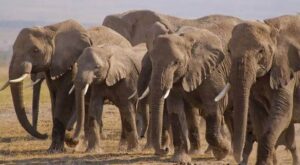
Kenya is one of Africa’s most rewarding destinations for wildlife enthusiasts, photographers and first-time safari travelers. Its national parks, wildlife reserves and private conservancies offer opportunities to observe some of the continent’s most iconic animals in their natural habitats.
Among the biggest attractions is the chance to see the Big Five in Kenya: lions, leopards, elephants, African buffaloes and rhinoceroses.
The term Big Five originally referred to five animals considered particularly challenging to hunt on foot. Today, it is widely used in wildlife tourism to describe five highly sought-after animals that travelers hope to photograph and observe during an African safari.
But where are the best places to see the Big Five in Kenya? The answer depends on which animals you most want to encounter, how much time you have and the type of safari you prefer.
The Maasai Mara is famous for its big cats and abundant wildlife. Amboseli is renowned for its elephants and Mount Kilimanjaro scenery. Lake Nakuru and selected conservancies are particularly useful for planning rhino sightings, while Tsavo offers expansive wilderness and impressive elephant populations.
At Mambo Gorilla Safaris Uganda, we help travelers plan customized East African safari experiences, including Kenya wildlife adventures and longer itineraries combining Kenya with Uganda’s gorilla trekking destinations.
What Are the Big Five Animals in Kenya?
The Big Five consist of five African mammals:
- Lion: A powerful predator known for its social prides.
- Leopard: An elusive big cat recognized for its spotted coat and solitary habits.
- African elephant: The largest living land animal, known for its intelligence and complex social behaviour.
- African buffalo: A powerful herd-living grazer commonly found in many savannah ecosystems.
- Rhinoceros: A large herbivore that includes black and white rhinos, depending on the species and location.
Seeing all five during one safari is possible, but no park or itinerary can guarantee every sighting. Leopards can be difficult to locate, and rhinos may require visits to specific parks or conservancies.
The most effective strategy is to select destinations based on their wildlife habitats, conservation arrangements and your available travel time.
1. Maasai Mara National Reserve: One of the Best Places for Big Cats
The Maasai Mara National Reserve in southwestern Kenya is among the country’s best-known safari destinations. Its open grasslands, river systems and diverse wildlife populations create excellent opportunities for game drives and wildlife photography.
The reserve is particularly famous for lions, leopards, cheetahs, elephants, buffaloes and the annual movement of wildebeest and other grazing animals associated with the Great Migration.
Which Big Five animals can you see in the Maasai Mara?
Lions: The Mara is a major destination for lion viewing. Visitors may encounter prides resting in grasslands, moving through the reserve or hunting, although behaviour and sightings vary.
Leopards: Leopards are present but can be difficult to spot because they are solitary and often remain concealed in vegetation or trees. An experienced guide can help search likely habitats.
Elephants: Elephants are seen in different parts of the greater Mara ecosystem, although sightings vary by location and season.
Buffaloes: Buffaloes are regularly encountered in suitable habitats, sometimes in large herds.
Rhinos: Black rhinos occur in parts of the greater Mara ecosystem, but they are elusive and sightings are less predictable than those of many other animals.
Why choose the Maasai Mara?
The Maasai Mara is an excellent choice if you want classic savannah game drives, opportunities to photograph big cats and a chance to witness a rich variety of wildlife.
The Great Migration is a seasonal natural event rather than a fixed spectacle. The timing and location of herds and river crossings vary from year to year, so sightings should never be guaranteed.
Best for: First-time safari travelers, wildlife photographers, big-cat enthusiasts and travelers interested in the Great Migration.
2. Lake Nakuru National Park: A Strong Choice for Rhino Viewing
Lake Nakuru National Park, in Kenya’s Great Rift Valley, is an important destination for travelers interested in rhinoceroses and other wildlife.
The park includes lake habitats, woodland and grassland, supporting a variety of animals and birds. It is especially valuable when planning a Big Five itinerary because rhino conservation is a major part of its wildlife offering.
What can you see in Lake Nakuru?
White and black rhinos: Both species are associated with the park’s conservation efforts. Sightings depend on location, conditions and animal movements.
Buffaloes: Buffaloes may be encountered in grasslands and other suitable habitats.
Lions and leopards: Both predators occur in the park, although sightings vary and leopards can be difficult to find.
Other wildlife: Visitors may also see giraffes, zebras, antelopes and a wide variety of birds.
Elephants are not a feature of Lake Nakuru’s wildlife population, so this park should not be treated as a stand-alone destination for seeing all five animals.
Why include Lake Nakuru in your safari?
Lake Nakuru is particularly useful when combined with the Maasai Mara or another wildlife destination. Its rhino population can improve your opportunity to see the species that may be more difficult to find elsewhere.
The park can also add variety to a Kenya itinerary through its lake scenery, birdlife and different habitats.
Best for: Travelers prioritizing rhinos, photographers, birdwatchers and visitors combining several parks.
3. Ol Pejeta Conservancy: Conservation and Rhino Experiences
Ol Pejeta Conservancy, located in Laikipia County, is one of Kenya’s prominent wildlife conservation destinations.
The conservancy is particularly well known for rhino conservation, including the protection of black rhinos and the last two northern white rhinos. It also supports elephants, lions, leopards, buffaloes and other wildlife.
Why is Ol Pejeta important for the Big Five?
Ol Pejeta offers a combination of wildlife viewing and conservation education.
Visitors may have opportunities to see:
- Black rhinos
- White rhinos
- Elephants
- Lions
- Leopards
- Buffaloes
- Other savannah and woodland wildlife
Sightings depend on the animals’ movements, the route and the conditions on the day. A conservancy visit should not be treated as a guarantee that all five species will be seen.
What makes Ol Pejeta different?
Ol Pejeta places a strong emphasis on wildlife conservation. Depending on current visitor arrangements, travelers may learn about rhino protection, wildlife management and the challenges facing endangered species.
Its location also makes it useful for itineraries that include central Kenya and the Laikipia region.
Best for: Rhino enthusiasts, conservation-minded travelers, photographers and visitors seeking a different experience from the busier safari routes.
4. Amboseli National Park: Famous for Elephants and Kilimanjaro Views
Amboseli National Park is one of Kenya’s most iconic wildlife destinations. Located near the Tanzania border, it is famous for its large elephant herds and spectacular views of Mount Kilimanjaro when weather conditions are clear.
The park’s open plains, wetlands and seasonal water sources create habitats for elephants, buffaloes, lions and many other species.
Which Big Five animals can you see in Amboseli?
Elephants: Amboseli is particularly renowned for elephant viewing. Herds are often seen moving across open landscapes or gathering near wetlands.
Lions: Lions occur in the ecosystem, although sightings are not guaranteed.
Leopards: Leopards may be present but are elusive and less frequently encountered in open areas.
Buffaloes: Buffaloes can be found in suitable habitats.
Rhinos: Amboseli is not the destination to rely on for a complete Big Five checklist. Travelers seeking rhinos should add a suitable rhino conservation destination.
Why visit Amboseli?
Amboseli is ideal for travelers who want striking wildlife photographs, particularly elephants against the backdrop of Mount Kilimanjaro.
It is also suitable for birdwatching and learning about the relationship between wildlife, local communities and conservation.
Best for: Elephant lovers, photographers, families and travelers seeking iconic Kenyan landscapes.
5. Tsavo East and Tsavo West National Parks: Vast Wilderness and Elephants
Tsavo East and Tsavo West form part of one of Kenya’s major protected wildlife landscapes. Their wide-ranging habitats include open plains, bushland, hills, springs and volcanic features.
Together, the parks offer a different safari atmosphere from the Maasai Mara, with expansive scenery and opportunities to explore less densely developed landscapes.
Tsavo East National Park
Tsavo East is known for its broad open spaces, red earth and elephants often coated in the region’s distinctive red dust.
Game drives may also reveal lions, buffaloes, leopards and other wildlife. The large area and varied conditions mean that sightings depend on where you travel and how much time you spend exploring.
Tsavo West National Park
Tsavo West features more varied terrain, including rocky hills, lava landscapes and Mzima Springs. The park also includes a rhino sanctuary, making it an option to consider for travelers seeking a wider range of Big Five species.
The sanctuary’s operating arrangements and access conditions should be confirmed before travel.
Why choose Tsavo?
Tsavo is a strong choice for travelers who appreciate large landscapes, scenic drives and wildlife viewing away from some of the busiest safari routes.
Because the parks are extensive, plan sufficient time rather than expecting to see every major species during a short visit.
Best for: Longer safaris, elephant viewing, landscape photography and travelers interested in expansive wilderness.
6. Nairobi National Park: Big Wildlife Close to the Capital
Nairobi National Park is a distinctive wildlife destination situated close to Kenya’s capital city.
The park’s open grasslands and scattered woodland provide habitat for lions, black rhinos, buffaloes, giraffes, zebras and many other species. Its proximity to Nairobi makes it convenient for travelers with limited time.
However, elephants are not part of the park’s resident wildlife population, so Nairobi National Park alone cannot provide a complete Big Five safari.
Why visit Nairobi National Park?
- It can fit into a short visit to Nairobi.
- It offers opportunities to see wildlife without traveling far from the city.
- It is known for rhino conservation.
- It provides distinctive photography opportunities with the city skyline in the distance.
- It can serve as an introduction to Kenya’s wildlife before a longer safari.
Best for: Short-stay visitors, business travelers, families and travelers with limited time.
7. Samburu National Reserve: Excellent for Specialized Wildlife Viewing
Samburu National Reserve in northern Kenya is known for its distinctive landscapes and wildlife adapted to drier environments.
It is especially popular with travelers seeking species such as the reticulated giraffe, Grevy’s zebra, gerenuk and Beisa oryx, sometimes collectively described as the Samburu Special Five.
The reserve also supports elephants, lions, leopards and buffaloes, but it is not a complete Big Five destination because rhinos are not a feature of its resident wildlife population.
Why add Samburu to a Kenya safari?
Samburu offers a different ecological setting from the Maasai Mara and Amboseli. Its riverine habitats and dry-country scenery create varied photography opportunities and a chance to observe wildlife associated with northern Kenya.
Best for: Returning safari travelers, wildlife photographers and visitors who want to see species beyond the traditional Big Five.
Which Kenyan Destination Is Best for Each Big Five Animal?
The following table provides a practical starting point for planning. These are general destination strengths, not guarantees of sightings.
| Big Five animal | Destinations to consider | Planning advice |
|---|---|---|
| Lion | Maasai Mara, Tsavo, Amboseli | Allow time for multiple game drives |
| Leopard | Maasai Mara, Samburu, Tsavo | Be patient; leopards are elusive |
| Elephant | Amboseli, Tsavo, Maasai Mara | Choose a destination with suitable elephant habitats |
| Buffalo | Maasai Mara, Amboseli, Tsavo | Often encountered in suitable grasslands and woodland |
| Rhino | Lake Nakuru, Ol Pejeta, Tsavo West Rhino Sanctuary | Confirm current access and conservation-area arrangements |
For a trip specifically focused on seeing all five, consider combining the Maasai Mara with Lake Nakuru or Ol Pejeta. Add Amboseli or Tsavo if you have enough time for additional landscapes and wildlife experiences.
Can You See All the Big Five in Kenya in One Safari?
Yes, it is possible to see all five during a Kenya safari, but sightings cannot be guaranteed.
The most useful approach is to combine destinations with complementary wildlife strengths.
Suggested 5-Day Big Five Safari
Day 1: Arrive in Nairobi
Meet your safari representative, transfer to your accommodation and prepare for the journey.
Day 2: Travel to the Maasai Mara
Travel to the reserve and enjoy a game drive if time and arrival conditions allow.
Day 3: Explore the Maasai Mara
Enjoy morning and afternoon game drives, searching for lions, leopards, elephants, buffaloes and other wildlife.
Day 4: Travel to Lake Nakuru
Continue to Lake Nakuru National Park, allowing sufficient time for the journey. Depending on your arrival time, enjoy an additional game drive.
Day 5: Rhino-focused game drive and onward travel
Explore suitable park areas in search of rhinos and other wildlife before continuing to your next destination.
This is a sample itinerary, and road travel may make the schedule demanding. A longer trip can provide more time for wildlife viewing and reduce the pressure to move between parks quickly.
For travelers who want to visit Ol Pejeta instead of Lake Nakuru, the route should be redesigned around the selected accommodation, entry arrangements and onward travel.
Best Time to See the Big Five in Kenya
Kenya’s wildlife parks can be visited throughout the year. The most suitable time depends on your preferred destinations, weather, budget and the experiences you want to include.
Generally drier periods
Drier conditions can make some game drives easier because vegetation may be less dense and wildlife may gather around available water sources. However, actual sightings vary by location and season.
The Great Migration season
The annual wildebeest migration attracts many visitors to the Maasai Mara, but the timing and location of herds vary. River crossings are unpredictable and should never be promised as part of a safari.
Green-season travel
Periods of rainfall can bring greener landscapes, seasonal birdlife and excellent photographic conditions. Some roads may become more challenging, and wildlife visibility can vary.
Practical advice: Choose your dates based on your preferred wildlife destinations and confirm current conditions before booking. Rhinos can be sought throughout the year in suitable conservation areas, but sightings remain dependent on animal movements and access.
How Much Does a Big Five Safari in Kenya Cost?
The price of a Big Five safari depends on the number of travelers, length of stay, accommodation standard, transport, park entry fees and season.
Common cost factors include:
- Private or shared safari vehicle
- Accommodation and meals
- Park and reserve entry fees
- Conservancy fees where applicable
- Guide services
- Airport transfers
- Domestic flights, if included
- Additional activities and cultural visits
A safari visiting several parks will usually cost more than a short visit to one destination because it involves additional travel, accommodation and park fees.
Ask for an itemized quotation that explains which costs are included and which must be paid separately. Confirm current park and conservancy charges for your travel dates before making a booking.
What to Pack for a Big Five Safari in Kenya
A practical packing list includes:
- Lightweight, neutral-coloured clothing
- Comfortable walking shoes
- A hat or cap
- Sunscreen
- Insect repellent
- Binoculars
- A camera with a suitable zoom lens
- Spare batteries or a power bank
- A reusable water bottle
- A light jacket for cool mornings
- Personal medication
- A small daypack
If your safari includes multiple parks, pack clothing that can be layered for changing temperatures. Follow your guide’s instructions about remaining in the vehicle, approaching wildlife and taking photographs.
Responsible Wildlife Viewing in Kenya
Responsible safari practices help protect wildlife and preserve the quality of the experience for future visitors.
- Follow your guide’s instructions and park regulations.
- Never feed or deliberately disturb wild animals.
- Keep a respectful distance from wildlife.
- Avoid shouting or making sudden movements near animals.
- Stay in authorized areas and on permitted roads.
- Respect restrictions around rhino sanctuaries and conservation zones.
- Choose operators who prioritize conservation and responsible tourism.
Remember that wild animals move freely. A good safari is about observing their natural behaviour, not forcing an encounter or guaranteeing a photograph.
Why Book a Kenya Wildlife Safari With Mambo Gorilla Safaris Uganda?
Planning a multi-park Kenya safari involves selecting the right route, arranging accommodation and transportation, confirming entry arrangements and allowing sufficient time for wildlife viewing.
Mambo Gorilla Safaris Uganda can help travelers explore customized East African safari options, including Kenya wildlife experiences and itineraries that combine Kenya with Uganda.
Depending on your interests and availability, your wider East African trip could include:
- Big Five game drives in Kenya
- Maasai Mara wildlife viewing
- Rhino conservation experiences
- Amboseli elephant viewing
- Uganda mountain gorilla trekking
- Chimpanzee tracking
- Other wildlife and cultural experiences
If you are planning a Kenya and Uganda holiday, allow enough days for the distances involved and confirm cross-border transport, immigration requirements and any permits well in advance.
Contact Mambo Gorilla Safaris Uganda to discuss a customized East African safari based on your travel dates, budget and preferred wildlife experiences.
Frequently Asked Questions About the Best Places to See the Big Five in Kenya
What are the Big Five animals in Kenya?
The Big Five are lions, leopards, African elephants, African buffaloes and rhinoceroses.
Which is the best place to see the Big Five in Kenya?
The Maasai Mara is an excellent destination for lions, leopards, elephants and buffaloes. To improve your chances of seeing rhinos as well, consider combining it with Lake Nakuru or Ol Pejeta Conservancy.
Can I see all five animals in the Maasai Mara?
It is possible to encounter all five in the wider Mara ecosystem, but rhinos are relatively elusive and sightings are not guaranteed. Consider adding a destination with a strong rhino conservation focus.
Where can I see rhinos in Kenya?
Lake Nakuru National Park, Ol Pejeta Conservancy and the rhino sanctuary in Tsavo West are destinations to consider. Check current access arrangements and plan time for wildlife viewing.
Is Amboseli good for the Big Five?
Amboseli is especially famous for elephants and Mount Kilimanjaro scenery. It is not a stand-alone destination for all five because rhinos are not a feature of its resident wildlife population.
Can I see the Big Five on a short Kenya safari?
A short safari may provide excellent wildlife encounters, but seeing all five in a limited number of days is uncertain. A multi-destination itinerary provides more opportunities, especially for rhino viewing.
What is the best time for a Big Five safari in Kenya?
Kenya is a year-round safari destination. Drier periods can offer favorable game-drive conditions, but the best timing depends on your destinations, wildlife priorities and travel preferences.
Are the Big Five guaranteed on a Kenya safari?
No. The Big Five are wild animals, and sightings depend on movement, habitat, weather, time of day and other factors. An experienced guide can help improve your chances but cannot guarantee every encounter.
Can I combine a Kenya safari with gorilla trekking in Uganda?
Yes. A longer East African itinerary can combine Kenya’s wildlife parks with gorilla trekking in Uganda. Plan for transportation between countries and confirm the applicable permits and immigration requirements.
Final Thoughts: Choose the Best Places to See the Big Five in Kenya
Kenya offers a remarkable variety of wildlife destinations, each with different strengths. The Maasai Mara is a classic choice for big cats and open savannah, Amboseli is renowned for elephants, Lake Nakuru and Ol Pejeta are valuable destinations for rhino conservation, and Tsavo offers expansive wilderness.
If your goal is to see all five animals, select a route that combines the destinations most suitable for your wildlife priorities and allow enough time for game drives.
Start planning your Kenya Big Five safari with Mambo Gorilla Safaris Uganda. Build a personalized itinerary around your preferred parks, travel dates and budget, and consider extending your journey into Uganda for mountain gorilla trekking and other East African wildlife experiences.


