Email: info@mambogorillasafarisuganda.com | Call: +256772666331

Fixers in Kenya: Film Permits, Location Scouting and Production Support

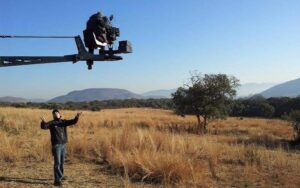
Are you planning to film a documentary, wildlife production, television programme, commercial, music video or feature film in Kenya? Working with experienced fixers in Kenya can make the production process easier by helping you coordinate local arrangements, identify filming locations, organize crew and equipment, and navigate the relevant permit requirements.
Kenya offers a remarkable variety of filming environments, including Nairobi’s urban landscapes, wildlife reserves, national parks, coastal scenery, rural communities and dramatic natural landscapes. However, filming successfully requires more than finding an attractive location. Productions may need filming licences, location permissions, immigration documentation, equipment clearance and reliable local logistics.
A professional local production fixer helps connect international filmmakers with the people, services and information needed to plan a shoot responsibly and efficiently.
This guide explains what Kenya film fixers do, the services they may provide, how filming permissions work and what to consider when choosing a production partner.
What Are Fixers in Kenya?
A film fixer is a local production specialist who helps filmmakers coordinate the practical arrangements required for a shoot. Fixers often work with international production companies, broadcasters, documentary filmmakers, advertising agencies, photographers and independent crews.
Their role is to help productions navigate local conditions, find suitable resources and communicate with relevant authorities, communities and suppliers.
Depending on the project, a fixer in Kenya may assist with:
- Filming permit applications and administrative coordination
- Location scouting and location permissions
- Local crew recruitment
- Equipment rental and technical support
- Transportation and accommodation
- Access to interviewees and local contributors
- Translation and cultural guidance
- Customs and equipment-import arrangements
- Production schedules and on-location coordination
- Safety planning and contingency arrangements
The exact services vary by provider. Some fixers focus on documentaries and news production, while others specialize in commercials, wildlife filmmaking, corporate videos or larger film and television projects.
Important: A fixer does not automatically have the authority to issue filming licences. Filmmakers should confirm the relevant official requirements and ensure that all necessary approvals are obtained before production begins.
Why Hire a Local Film Fixer in Kenya?
Hiring a local fixer can save production teams considerable time during preparation and filming. A person familiar with the area can help identify practical options, anticipate logistical challenges and coordinate communication with local contacts.
1. Understanding Local Filming Requirements
Film production in Kenya is subject to applicable licensing and other legal requirements. Depending on the production, permissions may be needed from the relevant film authority, property owners, national park authorities or other location managers.
An experienced fixer can help identify the appropriate process, prepare supporting documents and coordinate applications. The production company remains responsible for ensuring that its activities comply with the law.
2. Finding Suitable Filming Locations
Kenya offers diverse filming locations, from busy city streets and modern buildings to wildlife habitats, lakes, beaches, forests and rural settlements.
A fixer can research potential locations, arrange reconnaissance visits, check accessibility and help communicate with property owners or local authorities.
This can reduce the risk of arriving at a location that is unsuitable, inaccessible or unavailable on the scheduled filming date.
3. Organizing Local Crew and Equipment
International productions may need camera assistants, sound recordists, production assistants, drivers, interpreters, fixers, local producers or other specialists.
A local production partner can help source personnel and equipment based on the project’s requirements and budget.
4. Coordinating Transport and Accommodation
Filming schedules often involve several locations, early departures, equipment transport and changing call times.
A fixer can help arrange suitable vehicles, accommodation, transfers and daily schedules, especially when the shoot moves between cities, remote locations and protected areas.
5. Supporting Communication and Cultural Understanding
Local knowledge can be particularly important when filming interviews, community stories, cultural activities or documentary subjects.
A fixer can help arrange introductions, explain local expectations and support communication. Filmmakers should still obtain informed consent where appropriate and respect the privacy, dignity and preferences of the people they film.
Services Offered by Film Fixers in Kenya
The services available depend on the provider and production requirements. Before hiring a fixer, ask for a written description of the work they will undertake.
Filming Permit Assistance
A fixer or registered film agent may assist with preparing and coordinating filming licence applications.
Depending on the production, supporting information may include:
- Project synopsis or treatment
- Screenplay, script outline or storyboard where applicable
- Proposed shooting schedule
- Intended filming locations
- Production company and crew details
- Additional documents requested by the relevant authority
Requirements vary by production category and may change. Confirm the current checklist with the Kenya Film Classification Board (KFCB) before submitting an application.
Location Scouting and Management
Location scouting involves researching and assessing places suitable for filming.
A fixer may help with:
- Recommending possible filming locations
- Arranging site visits
- Checking access and practical limitations
- Contacting property owners and location managers
- Coordinating location permissions
- Planning parking, equipment movement and crew access
- Helping manage filming days at approved locations
Permission to visit a location does not necessarily authorize filming there. Obtain the relevant approval before shooting.
Local Crew Recruitment
Depending on the production, a fixer can help identify available local professionals such as camera operators, production assistants, sound recordists, interpreters, drivers, researchers and local producers.
Ask for relevant experience, references and clear job descriptions. For specialist roles, confirm qualifications and equipment familiarity before agreeing to hire.
Equipment Rental and Technical Support
Some productions prefer to rent equipment locally rather than transport everything internationally.
Depending on availability, a fixer may coordinate rentals for cameras, lenses, lighting, sound equipment, support systems and accessories.
Before confirming a rental, request an itemized quote and check the equipment condition, insurance arrangements, delivery times and replacement options if equipment fails.
If you are bringing equipment into Kenya, investigate the applicable temporary-import and customs procedures well before departure.
Transportation and Production Logistics
Transportation can be one of the most important parts of a successful shoot, especially when filming takes place outside major towns.
A fixer may arrange:
- Airport transfers
- Production vehicles
- Drivers familiar with the route
- Equipment transportation
- Accommodation bookings
- Daily call-time coordination
- Fuel and parking arrangements
- Alternative transport plans where necessary
For remote or wildlife locations, clarify whether the proposed vehicle is appropriate for the terrain and whether additional park or access fees apply.
Immigration and Work Documentation
International crew members must check Kenya’s current entry and immigration requirements before travelling.
Depending on nationality, activity and project circumstances, a visitor entry authorization alone may not be sufficient for the intended work. Additional documentation or a special pass may be required.
A local production fixer can help identify the relevant process and coordinate with the appropriate authorities, but should not be treated as a substitute for official immigration guidance.
Check the latest information through the Kenya Directorate of Immigration Services and the Kenya Film Commission before travel.
Drone Filming Coordination
Aerial filming can provide compelling footage of Kenya’s landscapes, wildlife and cities. However, drone operations are regulated and may require authorization from the relevant aviation authorities, as well as permission from the location manager.
A fixer can help identify the approvals and practical arrangements that need to be considered.
Do not assume that a general filming licence automatically authorizes drone operations. Check current requirements with the Kenya Civil Aviation Authority and the relevant site or park authority before flying.
Best Filming Locations in Kenya
The right location depends on the production’s creative brief, access requirements, budget and schedule. Here are several areas to consider.
Nairobi: Urban and Corporate Filming
Nairobi offers a mixture of modern architecture, business districts, residential areas, markets and cultural spaces.
It can be suitable for corporate productions, interviews, advertising, documentaries and stories set in an urban environment.
Filming permissions depend on the specific site. Public access does not necessarily mean unrestricted filming is allowed, particularly when using professional equipment, closing an area or affecting traffic and public movement.
Maasai Mara: Wildlife and Conservation Productions
The Maasai Mara is internationally recognized for its wildlife and savannah landscapes.
It can be considered for wildlife documentaries, conservation stories, nature photography and safari-related productions.
Filming inside protected areas requires careful coordination with the relevant management authority and compliance with applicable permit and conservation rules.
Production teams should also consider seasonal wildlife movements, road conditions, vehicle requirements and the ethical treatment of wildlife.
Amboseli National Park: Elephants and Mountain Scenery
Amboseli is known for its elephant populations and views of Mount Kilimanjaro when weather conditions permit.
It can be a strong option for productions featuring wildlife, conservation, landscapes and East African safari environments.
Before confirming a shoot, check park filming rules, access conditions, the permitted use of equipment and the current fee schedule.
Lake Nakuru and the Rift Valley
The Rift Valley offers lakes, escarpments, varied landscapes and opportunities for nature-focused storytelling.
Lake Nakuru National Park may suit wildlife and conservation productions, subject to current access and filming arrangements.
Other locations around the Rift Valley may require permissions from county authorities, private landowners, communities or protected-area managers, depending on the chosen site.
Kenya’s Coast: Beaches and Swahili Heritage
Kenya’s coast offers beaches, historic settlements, marine environments and distinctive architectural settings.
Potential production themes include travel, culture, heritage, hospitality and coastal conservation.
A fixer can help research possible locations and arrange introductions, but the production should verify permissions, access conditions and any restrictions before filming.
Rural Communities and Cultural Locations
Some productions require interviews or stories involving local communities, traditional livelihoods, agriculture or cultural heritage.
These projects need careful planning and respectful engagement. Obtain consent from contributors, consult the appropriate community representatives and clarify how the footage will be used.
A local fixer can help facilitate introductions and explain the context, but community consent and any required location permissions must be handled appropriately.
How to Obtain Filming Permits in Kenya
The process depends on the type of production, where filming will take place and the activities involved.
The Kenya Film Classification Board regulates filming licences and the registration of film agents. Its official guidance explains the documentation and procedures relevant to different production categories.
A practical preparation process is outlined below.
Step 1: Define Your Production
Prepare a clear summary of the project before contacting authorities or a fixer.
Include:
- Production title and type
- Purpose of the shoot
- Planned filming dates
- Proposed locations
- Number of crew members
- Equipment requirements
- Intended filming activities
- Any drone, wildlife or sensitive-location requirements
A clear brief makes it easier to identify the correct application process.
Step 2: Confirm the Applicable Licence
Consult the Kenya Film Classification Board to determine the relevant filming licence and application requirements.
Do not assume all projects use the same application or fee category. A short documentary, commercial, feature film and television production may have different requirements.
Official guidance is available at KFCB: Licensing Film Agents and Filmmakers.
Step 3: Prepare the Required Documents
Depending on the production, you may need a synopsis, screenplay or treatment, shooting schedule, location information and other supporting material.
Check the current official checklist rather than relying only on an older guide or another production’s paperwork.
Step 4: Obtain Location-Specific Approvals
A national filming licence may not replace permissions required by individual locations.
Additional authorization may be needed for filming in national parks, museums, private properties, public spaces, heritage sites or other controlled locations.
The Kenya Film Commission filming requirements provides guidance on several related requirements, including filming in national parks and museums.
Step 5: Check Immigration and Equipment Requirements
International crew members should confirm entry and work-related documentation before travelling.
If equipment is being brought into the country, investigate customs procedures and any applicable temporary-import arrangements.
Do not ship equipment or finalize travel on the assumption that approvals will be issued automatically.
Step 6: Keep Approvals Available During Production
Keep copies of relevant licences, location permissions, crew documents and emergency contacts accessible to the production manager.
If the shooting schedule changes or extra filming days are required, contact the relevant authority and location manager to determine whether an amendment or additional approval is needed.
How Much Do Fixers in Kenya Cost?
The cost of hiring a fixer in Kenya depends on the scale and complexity of the production.
Common pricing arrangements include a daily rate, a project fee, a preparation fee or a combination of professional fees and reimbursable expenses.
Factors that may affect the quote include:
- Production type and duration
- Number of locations
- Number of crew members
- Location scouting requirements
- Permit coordination and administration
- Transport and accommodation
- Equipment rental
- Translation or specialist personnel
- Remote access and security requirements
- Overtime and additional shooting days
Ask for a written quotation that separates the fixer’s professional fee from third-party costs.
The quotation should make clear which items are included, which expenses require approval, how cancellations are handled and what happens if the schedule changes.
Government licence fees, park charges, equipment costs and location fees should be verified independently where appropriate. Avoid relying on outdated online price lists.
How to Choose the Right Fixer in Kenya
Choosing a local production partner is an important part of preparing for a successful shoot.
Use the following checklist when comparing potential fixers.
Verify Relevant Experience
Ask whether the fixer has worked on productions similar to yours. Wildlife filmmaking, corporate videos, commercials and documentary interviews can require very different skills.
Request examples of previous projects or references where appropriate.
Confirm Registration Where Required
For international productions, check whether the provider is appropriately registered or accredited for the services being offered.
KFCB publishes information about film-agent registration and maintains official industry resources. Verify the provider’s current status rather than relying solely on a website or social media profile.
Request a Detailed Budget
A professional quotation should clearly distinguish service fees from permits, transport, equipment, accommodation and other expenses.
Ask how exchange rates, overtime, cancellation fees and unforeseen costs will be handled.
Check Communication and Planning
A good fixer should communicate clearly about timelines, required documents, location constraints and potential risks.
Ask for a proposed schedule, key milestones and a plan for handling delays or location changes.
Discuss Safety and Insurance
Depending on the project, you may need production insurance, equipment insurance, public liability coverage, specialist safety support or other arrangements.
Ask who is responsible for each requirement and ensure the answers are documented.
Confirm Local Permissions and Ethical Practices
The fixer should understand that access to a person or place does not automatically authorize filming.
Discuss contributor consent, privacy, community engagement, wildlife welfare and any cultural sensitivities relevant to the project.
When Should You Book a Fixer in Kenya?
Contact a fixer as early as possible, particularly if your production involves several locations, wildlife filming, international crew members, specialist equipment or restricted sites.
Early planning allows time to research locations, prepare documentation, coordinate suppliers and identify potential schedule conflicts.
As a practical approach:
- During early planning: Share the brief, budget range and tentative schedule.
- Before confirming locations: Check access, availability and permission requirements.
- Before travelling: Verify licences, immigration documentation and equipment arrangements.
- Before each filming day: Confirm call times, weather considerations, transport and location access.
The amount of lead time required varies by project. Confirm current processing times directly with the relevant authorities rather than assuming a fixed turnaround.
Common Mistakes to Avoid When Filming in Kenya
Even well-planned productions can face delays if important requirements are overlooked.
Avoid these common mistakes:
- Assuming a fixer issues government licences. Fixers coordinate applications, but licences must come from the relevant authority.
- Booking restricted locations too late. Some locations require additional approvals or advance coordination.
- Ignoring immigration requirements. Confirm the correct documentation for every crew member.
- Arriving with equipment without checking customs procedures. Establish the applicable import requirements before travelling.
- Treating a national filming licence as universal permission. Individual locations may impose additional conditions.
- Underestimating travel time. Traffic, road conditions and distances can affect the schedule.
- Failing to budget for additional expenses. Ask about transport, overtime, location fees and contingency costs.
- Neglecting contributor consent. Plan interviews and community filming respectfully and transparently.
- Assuming drone use is automatically allowed. Check aviation and location-specific requirements separately.
- Relying on outdated permit prices. Verify fees and rules through official sources before committing funds.
Frequently Asked Questions About Fixers in Kenya
What does a fixer in Kenya do?
A fixer helps a production team coordinate local filming arrangements, which may include permits, location scouting, crew, equipment, transport, accommodation and communication with local contacts.
Do foreign filmmakers need a local film agent in Kenya?
Requirements depend on the production and current regulations. KFCB provides guidance on registered film agents and the process for international productions. Confirm whether your project requires an agent or other local support before making arrangements.
Who issues filming licences in Kenya?
The Kenya Film Classification Board handles filming licences and film-agent registration under its regulatory mandate. Other authorities may be responsible for location-specific, immigration, aviation or protected-area permissions.
Can a fixer arrange filming permits?
A fixer or registered film agent may help prepare and coordinate applications. The relevant authority issues the licence or permission, and the production remains responsible for compliance.
Can I film in Kenyan national parks?
Filming in national parks requires the relevant authorization and payment of applicable fees. Contact the responsible park authority and confirm the current requirements before planning a shoot.
Can a fixer help with equipment rental?
Many fixers can coordinate local equipment rental, subject to availability. Ask for an itemized quote and confirm the equipment specification, insurance, delivery arrangements and backup options.
Do I need permission to use a drone in Kenya?
Drone operations are subject to aviation regulations and may require authorization. Additional permission may also be necessary for the intended location. Confirm requirements with the Kenya Civil Aviation Authority and the relevant site manager.
How much does a fixer in Kenya charge per day?
Rates vary according to experience, responsibilities, production type and location. Request a project-specific quotation that separates professional fees from expenses and government charges.
When should I contact a fixer?
Contact a fixer during early production planning, before confirming travel and filming dates. This gives you more time to research locations, coordinate documents and arrange local services.
Plan Your Film Production in Kenya
Kenya offers a wide range of filming opportunities, from urban environments and coastal heritage to wildlife reserves and remote natural landscapes. The key to a successful shoot is combining a clear production plan with reliable local coordination and the correct approvals.
Before hiring a fixer, define your project, confirm the services you need, verify relevant credentials and request a transparent budget. Check all filming, immigration, customs, drone and location requirements through the appropriate official authorities.
With careful preparation and a suitable local production partner, filmmakers can plan more efficiently, reduce avoidable delays and approach their Kenyan production with greater confidence.
Ready to plan your shoot? Prepare your production brief, intended filming locations, crew size, equipment list and proposed dates before contacting a qualified local fixer or registered film agent in Kenya.


