Email: info@mambogorillasafarisuganda.com | Call: +256772666331

Film Fixers in Ghana: A Complete Guide for International Productions

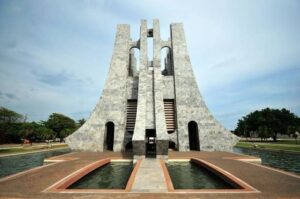
Ghana is an attractive destination for filmmakers, documentary producers, photographers, broadcasters and advertising agencies looking to capture West African culture, history, landscapes and contemporary life. However, organizing a successful production in an unfamiliar country requires more than choosing an impressive location. You also need to coordinate permits, local contacts, transport, accommodation, equipment, schedules and on-the-ground logistics.
This is where film fixers in Ghana become valuable.
A local film fixer helps international production teams navigate the practical requirements of filming in Ghana. Depending on their experience and the services agreed, fixers can assist with location scouting, production research, local crew recruitment, permit coordination, translation, transport and communication with relevant authorities or communities.
Whether you are producing a documentary, television programme, commercial, feature film, music video or travel feature, working with an experienced local fixer can make your production more organized and efficient.
This guide explains what film fixers do in Ghana, how to choose the right professional, which services to discuss before filming and how to prepare for a successful production.
What Is a Film Fixer in Ghana?
A film fixer is a local production professional who helps visiting film crews organize work in a particular country or region.
In Ghana, a fixer may act as the connection between an international production team and local service providers, communities, authorities, property owners and production personnel.
The exact role depends on the project. Some fixers focus on research and location scouting, while others coordinate broader production logistics or work as local producers.
A film fixer may help with:
- Researching suitable filming locations
- Checking access requirements and location restrictions
- Coordinating filming permit applications
- Identifying local camera operators and production assistants
- Arranging transport and accommodation
- Assisting with interviews and local contacts
- Organizing interpreters and translation
- Coordinating equipment rental or logistics
- Helping production teams understand local customs and protocols
- Managing schedules and resolving practical issues during filming
A fixer does not automatically replace a production manager, lawyer, security adviser or permit-issuing authority. Agree on responsibilities in writing before work begins.
Why Hire Film Fixers in Ghana?
Producing a film in another country can involve unfamiliar administrative procedures, language considerations, local customs and logistical challenges. A reliable fixer helps the production team understand these requirements before arriving and throughout the shoot.
1. Local Knowledge and Production Research
A fixer with relevant local experience can help identify locations that fit your creative brief, budget and filming schedule.
For example, a production might need urban streets, coastal landscapes, historic buildings, markets, rural communities or locations associated with Ghanaian culture.
Local knowledge helps you assess practical considerations such as access, travel time, lighting, noise, crowds and whether filming permission is required.
2. Location Scouting
Location scouting involves identifying and assessing possible filming locations before the main production begins.
A fixer may prepare location options, gather reference photographs, estimate travel times and contact site managers or property owners to discuss access.
For productions with several locations, this preparation can reduce unnecessary travel and help the director and producer make informed decisions.
3. Permit Coordination
Filming permission is one of the most important parts of production planning.
Ghana’s National Film Authority states that film productions covered by its rules must apply for a film production permit before production begins. Its application process also asks for details about locations, production equipment and whether a local fixer or agent will be used.
A local fixer may help gather information, coordinate documents and communicate with relevant offices. However, the production company remains responsible for confirming the applicable requirements and obtaining the necessary approvals.
Visit the National Film Authority of Ghana for official permit information.
4. Local Crew and Supplier Coordination
Depending on the scale of the production, a fixer may help source suitable local professionals and suppliers.
These could include production assistants, camera operators, drivers, interpreters, location assistants, sound personnel and equipment rental providers.
Always clarify which services are included in the fixer’s fee and which suppliers will charge separately.
5. Transport and Accommodation
Production schedules can involve early calls, several locations in one day, heavy equipment and tight deadlines.
A fixer may help plan transfers, recommend practical accommodation locations, coordinate drivers and build realistic travel times into the shooting schedule.
For remote or multi-location productions, logistics planning should begin before the crew arrives.
What Services Do Film Fixers in Ghana Provide?
Not every fixer offers the same services. Before choosing a provider, prepare a brief explaining your production type, locations, crew size, schedule and budget.
The following services may be available depending on the fixer’s experience and network.
Location Scouting and Recces
A recce is a preliminary visit to assess a location before filming.
Your fixer may help arrange access, document possible camera positions, check travel time and identify practical issues such as power supply, parking, noise and restrictions.
For a multi-location production, request a shortlist of options with photographs, location notes and estimated logistics.
Filming Permit and Access Coordination
Your fixer can help you understand which authorities, property owners or site managers need to be contacted.
Requirements may vary according to the production type and location. Public spaces, private property, heritage sites and restricted locations may have different procedures.
Do not assume that permission to enter a place automatically grants permission to film there.
Local Production Crew
A fixer may assist with sourcing local production talent and coordinating their availability.
When requesting crew recommendations, explain the skills needed, expected working hours, language requirements, equipment responsibilities and payment arrangements.
For specialist positions, ask for relevant credits or references.
Translation and Interpretation
For interviews or productions involving local languages, a fixer may arrange an interpreter or translator with suitable subject knowledge.
Discuss the languages required, whether simultaneous or consecutive interpretation is needed, and whether translated transcripts or subtitles are part of the service.
Equipment and Technical Logistics
Depending on the project, you may need camera equipment, lighting, sound gear, grip equipment or other production supplies.
Ask the fixer whether equipment can be sourced locally or whether it must be brought into Ghana. Availability varies by item, specification and date.
If bringing equipment from abroad, confirm applicable customs procedures, documentation and any temporary import arrangements before departure.
Transport and Location Management
A fixer may help arrange vehicles, drivers, equipment movement and location schedules.
For longer shoots, create a daily movement plan that includes estimated travel times, loading and unloading, meals, parking and contingency time.
Interview and Community Coordination
Documentaries and factual productions may need access to interviewees, community representatives or subject-matter experts.
A fixer can help make initial introductions and coordinate schedules. Interviews must still be based on informed consent, respectful engagement and any required permissions.
Never assume that a community leader’s agreement automatically replaces the individual consent of everyone being filmed.
Popular Filming Locations in Ghana
Ghana offers varied landscapes and settings for documentaries, commercials, feature films and travel productions. The best location depends on your story, access requirements, budget and production schedule.
Accra
Accra provides a mix of modern urban settings, markets, cultural attractions, coastal areas and business districts.
It can be a practical base for productions requiring hotels, suppliers, crew services and access to administrative offices.
Before filming in busy urban areas, consider traffic, crowd management, noise, security and the permissions required for the specific location.
Cape Coast and Elmina
The Cape Coast and Elmina areas are associated with important historical heritage sites and coastal landscapes.
These locations may suit productions exploring history, heritage, education or travel. Historic sites can have strict visitor and filming rules, so contact the relevant site management well in advance.
Kumasi
Kumasi is an important centre of Ashanti culture and history. Depending on the project, it may provide opportunities to explore traditional crafts, markets, architecture and cultural heritage.
Filming at ceremonies, traditional institutions or private cultural locations requires respectful planning and appropriate permission.
Ghana’s Coastal Areas
Ghana’s coastline includes beaches, fishing communities, ports and coastal settlements that may be relevant to a range of visual stories.
The specific location should be selected based on access, safety, weather, transport and the requirements of the production.
Rural Communities and Natural Landscapes
Some productions require rural settings, agricultural landscapes or locations away from major cities.
A local fixer can help identify suitable areas and make initial contact with community representatives or landowners. The production should still confirm permission, compensation, privacy considerations and any local restrictions before filming.
Important: These are examples of possible filming environments, not a guarantee that filming is permitted at every site. Obtain approval from the relevant authorities or owners before scheduling a shoot.
How to Obtain a Film Production Permit in Ghana
Permit requirements depend on the type of production and the locations involved. The National Film Authority is the official starting point for information about film production permits in Ghana.
A practical planning process includes the following steps.
Step 1: Define the Production
Prepare a clear brief that identifies:
- The type of production
- The production company and responsible contacts
- Proposed filming dates
- Intended locations
- Crew size and nationalities
- Equipment list
- Whether interviews, actors or local participants are involved
- Any special access requirements
This information helps the relevant authority determine which procedures apply.
Step 2: Contact the National Film Authority
Review the current permit guidance and application process on the official NFA website.
Confirm the latest application requirements, processing times, charges and any additional approvals required for the proposed locations.
Do not rely solely on information from an old blog or a fixer’s previous project, because procedures can change.
Step 3: Prepare the Required Documents
The application may request production details, proposed locations, equipment information, insurance documents and details about the local fixer or agent.
Follow the current official checklist rather than assuming every production has identical requirements.
Step 4: Check Location-Specific Permission
A national film production permit may not be the only approval needed.
Depending on the location, you may also need permission from a property owner, heritage site manager, local authority, institution or another responsible body.
Confirm all applicable approvals before filming.
Step 5: Keep Written Records
Save permit confirmations, correspondence, receipts, location agreements and relevant contact details.
Share the approved schedule and permit conditions with the producer, director, fixer and location team so everyone understands the restrictions.
How to Choose the Right Film Fixer in Ghana
The right fixer should have experience relevant to your production, a clear understanding of local procedures and the ability to coordinate work professionally.
Use the following checklist when comparing potential providers.
Relevant Experience
Ask whether the fixer has worked on productions similar to yours.
A fixer experienced in documentary interviews may have different strengths from someone who primarily supports commercials or large film crews.
Request examples of previous work or references where appropriate.
Local Knowledge and Contacts
A good fixer should understand the locations and logistics relevant to your project.
Ask how they will approach location scouting, permission requests, crew sourcing and communication with local contacts.
Clear Communication
Your fixer should respond clearly to questions, identify risks early and explain which details still need confirmation.
Agree on working languages, preferred communication channels and who will make final production decisions.
Transparent Budgeting
Request a written quotation that separates professional fees from transport, accommodation, permits, crew, equipment and other expenses.
Ask whether the fixer charges a daily rate, project fee or another agreed structure. Clarify overtime, cancellation terms, taxes and payment milestones.
Professional References
Where possible, speak with previous clients or review verifiable production credits.
Do not rely only on social media photographs or unsupported claims of experience.
Written Scope of Work
Before paying a deposit, document the services, deliverables, dates, payment terms, cancellation policy and responsibilities of each party.
This helps avoid misunderstandings when the production schedule changes.
How Much Does a Film Fixer in Ghana Cost?
There is no single price for hiring a film fixer in Ghana. The cost depends on the project’s scale, duration, locations and the services required.
Factors that may affect the quotation include:
- Number of filming days
- Research and location scouting
- Permit coordination
- Crew size
- Transport and accommodation
- Interpretation requirements
- Equipment sourcing
- Remote or multi-location travel
- Production urgency
- Additional administrative or specialist services
A short interview shoot may need only limited coordination, while a multi-week documentary or commercial may require extensive research, crew management and daily production support.
For a useful quotation, provide the fixer with a production brief and request an itemized estimate. Confirm which costs are included and which are paid directly to third parties.
Avoid comparing quotations on price alone. Relevant experience, communication, reliable local contacts and a clear scope of work can be just as important.
When Should You Hire a Film Fixer in Ghana?
It is best to contact potential fixers during pre-production, before flights, equipment transport and filming dates are finalized.
Early engagement gives the team more time to research locations, contact authorities, prepare permit applications and assess logistics.
Consider contacting a fixer as soon as you know:
- The main subject of your production
- Your likely filming dates
- The locations you want to explore
- Your crew size
- Your equipment requirements
- Your estimated budget
For productions involving multiple locations or restricted sites, allow additional time for approvals and schedule changes.
Common Mistakes to Avoid When Filming in Ghana
Even well-funded productions can encounter avoidable problems when local requirements are not addressed early.
Assuming a Location Is Open for Filming
A location that is open to visitors may still restrict professional filming, tripods, lighting, drones or commercial use.
Confirm the exact permissions required for your planned activity.
Leaving Permits Until the Last Minute
Applications and location approvals may take time. Contact the relevant authorities early and do not begin filming until the necessary permissions are in place.
Underestimating Travel Time
Traffic, road conditions, equipment loading and location access can affect a shooting schedule. Ask for realistic estimates and allow contingency time.
Failing to Budget for Additional Services
Transport, accommodation, equipment, translation and location fees may be separate from the fixer’s professional fee.
Ask for an itemized quotation before approving the budget.
Neglecting Consent and Local Protocol
Respect privacy, cultural practices and the rights of people appearing in the production. Arrange interviews and access transparently, and obtain the appropriate consent and permissions.
Choosing a Fixer Without Checking References
A low quotation is not enough to establish that a provider is suitable. Verify experience, references, responsibilities and payment terms before committing.
Frequently Asked Questions About Film Fixers in Ghana
What does a film fixer do in Ghana?
A film fixer helps visiting production teams coordinate local filming arrangements. Depending on the agreed services, this can include location scouting, permits, local crew, transport, accommodation, translation and production logistics.
Do foreign film crews need a permit to film in Ghana?
Ghana’s National Film Authority states that productions covered by its rules must obtain a film production permit before filming begins. Confirm the current requirements directly with the NFA and check whether additional location-specific approvals apply.
Can a fixer arrange filming permits?
A fixer may assist with research, documentation and communication with the relevant authorities. The official authority issues the permit, and the production company should ensure all required approvals are secured.
Can film fixers help with location scouting?
Yes. Depending on their services, fixers can research potential locations, arrange preliminary visits, gather reference images and coordinate access discussions with site managers or property owners.
Can a fixer provide a local film crew?
Some fixers can help source local production personnel or connect clients with suppliers. Confirm the required roles, experience, availability, rates and equipment responsibilities before booking.
How much does a fixer cost in Ghana?
Costs vary according to duration, production complexity, travel, permits, crew and the services required. Request a written, itemized quotation based on your specific production brief.
When should I book a fixer?
Contact potential fixers as early as possible during pre-production, particularly when the project involves several locations, specialist equipment or permit applications.
How do I verify a film fixer in Ghana?
Ask for relevant production credits, references, a written scope of work, a transparent budget and clear information about their role in permit coordination. Verify important claims before making payments.
Plan Your Production With a Local Film Fixer in Ghana
Ghana offers a wide range of filming environments, from urban locations and coastal scenery to cultural heritage sites and rural landscapes. To make the most of these opportunities, production teams need reliable local coordination, realistic schedules and a clear understanding of the required permissions.
An experienced film fixer can help bring these elements together by supporting location research, permit coordination, crew arrangements and day-to-day logistics.
Before confirming your production, prepare a detailed brief, verify the fixer’s experience, request an itemized quotation and check current requirements with Ghana’s National Film Authority.
Planning a film, documentary, commercial or photography project in Ghana? Start by identifying your filming locations, schedule, crew size and production needs, then contact suitable local professionals to discuss availability and obtain a tailored quotation.