Email: info@mambogorillasafarisuganda.com | Call: +256772666331

Where to See Big Cats on a Uganda Safari: Best Parks and Wildlife Viewing Tips

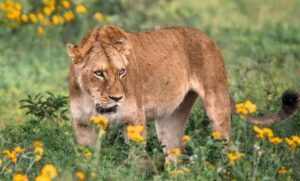
Uganda is famous for mountain gorilla trekking, chimpanzee tracking and spectacular landscapes, but it is also an exciting destination for travelers hoping to see Africa’s big cats. Its savannah national parks provide opportunities to search for lions, leopards and other predators while enjoying classic African wildlife viewing.
If you are wondering where to see big cats on a Uganda safari, three national parks deserve particular attention: Queen Elizabeth National Park, Murchison Falls National Park and Kidepo Valley National Park. Each offers a different landscape and wildlife experience, from the famous tree-climbing lions of Ishasha to the remote wilderness of northeastern Uganda.
A well-planned safari can combine big cat viewing with elephants, buffaloes, antelopes, hippos, birdlife and other wildlife. You can also extend your trip to include mountain gorilla trekking or chimpanzee tracking for a more comprehensive Uganda safari.
At Mambo Gorilla Safaris Uganda, we help travelers plan customized wildlife holidays around their interests, available time and budget.
Which Big Cats Can You See in Uganda?
Uganda’s most sought-after big cats include lions and leopards. Cheetahs are associated with particular grassland habitats in the wider region, but they should not be treated as a routine sighting on a Uganda safari. Travelers should distinguish between species that are present in a destination and animals that are realistically likely to be encountered.
Lions
Lions are among Uganda’s most iconic predators. They occur in Queen Elizabeth, Murchison Falls and Kidepo Valley national parks.
The most distinctive lion experience is in the Ishasha sector of Queen Elizabeth National Park, where some lions are known for resting in trees.
Leopards
Leopards occur in several of Uganda’s national parks, but their solitary and elusive behaviour makes them difficult to find. A sighting may depend on luck, time in the field, habitat conditions and the experience of your guide.
Leopards may be seen resting in trees, moving through vegetation or crossing tracks, but no particular sighting is guaranteed.
Other Predators
Depending on the park, travelers may also encounter spotted hyenas and other carnivores. These animals are important parts of Uganda’s ecosystems, even when they are not the main focus of a big cat safari.
For current conservation information, consult the Uganda Wildlife Authority and the Wildlife Conservation Society Uganda programme.
1. Queen Elizabeth National Park: Best for Tree-Climbing Lions
Queen Elizabeth National Park is one of the best destinations for travelers interested in seeing big cats in Uganda. Its varied landscapes include open savannah, woodland, wetlands, crater lakes and forested areas.
The park’s most famous big cat attraction is the tree-climbing lion population in the Ishasha sector in the south.
Where to find the tree-climbing lions
Ishasha is known for lions that rest in the branches of large trees, particularly fig trees. This behaviour is unusual for lions and has made the sector one of Uganda’s most distinctive wildlife-viewing destinations.
During a game drive, your guide may search suitable tree areas and scan the surrounding savannah for lions and their prey.
Researchers and conservationists have proposed several possible reasons for tree-climbing behaviour, including avoiding ground-level insects, enjoying cooler air and gaining a better view of the surroundings. The reasons may vary, and not every explanation is conclusively established.
What else can you see in Ishasha?
Besides lions, the Ishasha sector supports wildlife such as:
- Uganda kob
- Buffaloes
- Elephants
- Topi
- Warthogs
- Other antelopes and savannah species
- Numerous birds
The sector also makes a useful route connection for travelers continuing toward Bwindi Impenetrable National Park.
Best time to look for tree-climbing lions
Lions can be encountered throughout the year, but sightings depend on their movements and behaviour. Morning and afternoon game drives provide useful opportunities to search for wildlife in comfortable viewing conditions.
Dry periods can make some tracks easier to navigate, although vegetation and weather vary. There is no month that guarantees seeing lions in trees.
Travel tip: If tree-climbing lions are a major priority, tell your safari planner that you want dedicated time in Ishasha rather than assuming a brief drive through Queen Elizabeth National Park will be sufficient.
2. Murchison Falls National Park: Search for Lions and Leopards
Murchison Falls National Park is another important destination for big cat viewing. Located in northwestern Uganda, the park combines broad savannah landscapes with woodland, riverine vegetation and the spectacular Victoria Nile.
Lions can be encountered in suitable areas of the park, while leopards may be present but are generally harder to spot.
What makes Murchison Falls special?
A game drive may offer opportunities to search for predators while also observing elephants, giraffes, buffaloes, Uganda kob and other wildlife.
The park’s northern savannah is especially popular for game drives, while the Nile adds another dimension to the experience through boat excursions and scenic viewpoints.
How to improve your chances of seeing big cats
- Schedule more than one game drive if possible.
- Go with a knowledgeable guide familiar with the park.
- Search during suitable morning and late-afternoon viewing periods.
- Watch for prey animals and signs of predator activity.
- Be patient and scan the surroundings carefully.
- Keep a respectful distance from wildlife.
Predators move over large areas, so even a well-planned drive may not produce a sighting.
Combine big cat viewing with the Nile
Murchison Falls is particularly rewarding because you can combine game drives with a boat cruise on the Nile. Hippos, crocodiles and waterbirds are among the wildlife that may be seen during the cruise.
Explore Mambo Gorilla Safaris Uganda’s 3-Day Murchison Falls Safari for a possible starting point.
3. Kidepo Valley National Park: A Remote Big Cat Adventure
For travelers seeking a more remote wilderness experience, Kidepo Valley National Park in northeastern Uganda is an excellent option to consider.
Kidepo is known for its open landscapes, rugged mountain scenery, broad valleys and diverse wildlife. It is also one of Uganda’s national parks where lions occur.
The park’s remote location can make travel more demanding, but it offers a very different atmosphere from the more frequently visited western safari circuit.
What big cats can you look for?
Lions are one of the main predators to look for during game drives. Leopards and other carnivores may also occur, although sightings are unpredictable.
Kidepo’s open scenery can create excellent wildlife-viewing opportunities, but animals are free-ranging and may be difficult to locate on any particular drive.
Other wildlife in Kidepo
A safari can also include opportunities to see:
- Buffaloes
- Elephants
- Giraffes
- Zebras
- Antelopes
- Ostriches in suitable areas
- A wide range of birds
The combination of wildlife and expansive landscapes makes Kidepo attractive to experienced safari travelers, photographers and visitors seeking a less conventional route.
Who should choose Kidepo?
Kidepo is especially suitable for travelers who have enough time to reach the park comfortably and want to explore a more remote region of Uganda.
If your main goal is to combine gorilla trekking with big cat viewing in a relatively compact itinerary, Queen Elizabeth National Park may fit more easily into a western Uganda circuit. If remote wilderness is a priority, Kidepo is worth considering.
4. How to See Leopards on a Uganda Safari
Leopards are among the most exciting animals to encounter, but they are also among the most challenging big cats to find.
Unlike lions, which may rest in groups, leopards are usually solitary. They can remain hidden in dense vegetation, move at night or rest in trees and other concealed locations.
Where should you look for leopards?
Leopards occur in multiple Ugandan national parks, including Queen Elizabeth and Murchison Falls. Your guide can advise which areas are suitable for searching during your visit.
A good leopard-focused safari involves patience rather than relying on a single location or time of day.
Tips for better leopard viewing
- Choose a safari with several game drives.
- Travel with a guide who knows the park.
- Watch for movement in trees, bushes and shaded areas.
- Scan tracks and riverine vegetation carefully.
- Avoid loud noises that could disturb wildlife.
- Bring binoculars and a camera with a suitable zoom lens.
Even under good conditions, leopard sightings are never guaranteed. A successful safari should be enjoyable for the wider wildlife experience as well as the possibility of seeing a particular predator.
5. Are Cheetahs Found on Uganda Safaris?
Travelers researching African big cats sometimes expect to see lions, leopards and cheetahs on every safari. However, Uganda is not generally promoted as a destination for routine wild cheetah viewing.
For a Uganda safari focused on big cats, concentrate primarily on lions and leopards in their established national park habitats.
If seeing cheetahs is essential to your trip, discuss this with your safari planner before booking. A regional itinerary may need to include a destination outside Uganda where cheetah viewing is more established.
It is better to plan around realistic wildlife opportunities than to assume every African predator can be seen in the same park.
6. Best Time to See Big Cats in Uganda
Big cats can be searched for throughout the year, but weather, vegetation, road conditions and animal movements influence the experience.
Many visitors prefer generally drier periods because some roads and game-drive tracks may be easier to navigate. However, wildlife viewing depends on more than the season.
Consider these factors when planning your trip:
- Dry periods: Some tracks may be firmer, and vegetation may be less dense in particular areas.
- Rainier periods: Landscapes can be greener, but muddy roads or thicker vegetation may affect access and visibility.
- Morning drives: A useful opportunity to search for animals before the heat of the day.
- Afternoon drives: Another good opportunity to look for predators and other wildlife.
- Longer stays: Additional drives provide more chances to encounter animals moving through the park.
These are general planning considerations rather than guarantees. Ask your safari operator about conditions and recommended activities for your travel dates.
7. How Many Days Do You Need for a Big Cat Safari?
The ideal length depends on which parks you want to visit and whether you plan to combine predator viewing with other experiences.
Two to three days
A short trip can focus on one national park, such as Queen Elizabeth or Murchison Falls. You can arrange several game drives, although a short stay may limit your opportunities to see elusive predators.
Four to five days
A longer itinerary allows more time for game drives and may include two wildlife areas, depending on your route and travel times.
Seven days or more
A week or longer provides greater flexibility for travelers who want to combine big cat viewing with gorilla trekking, chimpanzee tracking or a remote destination such as Kidepo Valley.
Remember that long road transfers can reduce the time available for wildlife viewing. A carefully planned route is often more rewarding than trying to visit too many parks in a short period.
Suggested 5-Day Uganda Big Cat Safari Itinerary
This sample itinerary focuses on Queen Elizabeth National Park and Murchison Falls National Park. Because the parks are in different parts of Uganda, it requires substantial road travel and should be adjusted to suit your arrival and departure arrangements.
Day 1: Travel to Murchison Falls National Park
Travel to Murchison Falls National Park and check in at your accommodation. If arrival time and conditions permit, enjoy a short game drive.
Overnight: Murchison Falls area.
Day 2: Game Drives and Nile Boat Cruise
Start with a guided game drive to search for lions and other wildlife. Later, enjoy a boat cruise on the Nile, with opportunities to observe hippos, crocodiles and waterbirds.
Overnight: Murchison Falls area.
Day 3: Travel to Queen Elizabeth National Park
Depart for Queen Elizabeth National Park. Allow sufficient time for the journey and accommodation check-in.
If your arrival time allows, arrange a suitable wildlife activity with your guide.
Overnight: Queen Elizabeth National Park area.
Day 4: Explore the Ishasha Sector
Spend time searching for the famous tree-climbing lions in Ishasha. Your guide can also help you look for other wildlife in the sector.
Lion sightings cannot be guaranteed, so enjoy the broader landscape and wildlife as part of the experience.
Overnight: Ishasha or another suitable area.
Day 5: Final Game Drive and Departure
Enjoy a final game drive if time permits, then continue to your next destination.
If you also want to include mountain gorilla trekking in Bwindi, plan additional days to accommodate the trek, permit arrangements and travel time.
Planning note: If your main priority is big cats rather than visiting several parks, spending more nights in one park can be a better option than rushing between distant destinations.
Can You Combine Big Cat Viewing With Gorilla Trekking?
Yes. Uganda is particularly attractive for travelers who want to combine savannah wildlife with mountain gorilla trekking.
A popular western Uganda combination is:
Queen Elizabeth National Park + Ishasha tree-climbing lions + Bwindi gorilla trekking.
This route brings together savannah wildlife, unusual lion behaviour, forest landscapes and one of Africa’s most memorable primate encounters.
Depending on your interests, you may also add chimpanzee tracking in Kibale Forest or other wildlife destinations.
Gorilla trekking requires a valid permit for the relevant park and date. Confirm availability before finalizing the itinerary.
For a shorter gorilla-focused option, explore Mambo’s 3 Days Bwindi Gorilla Trekking Tour.
What to Pack for a Big Cat Safari in Uganda
A comfortable safari depends on being prepared for early starts, changing weather and time spent in a vehicle.
Consider packing:
- Lightweight, neutral-coloured clothing
- A warm layer for early-morning drives
- Comfortable walking shoes
- A sun hat or cap
- Sunscreen
- Insect repellent
- Binoculars
- A camera with a zoom lens
- Spare camera batteries or a power bank
- A reusable water bottle
- Personal medication
- A small daypack
Binoculars are particularly useful for spotting animals in long grass, distant trees and shaded areas.
Follow your guide’s instructions at all times. Do not leave the safari vehicle unless your guide confirms that it is safe and permitted.
Responsible Big Cat Viewing and Conservation
Lions and leopards play important ecological roles, but large carnivores face threats such as habitat loss, illegal killing, reduced prey availability and conflict with people.
Responsible tourism can contribute to conservation by supporting protected areas, guides and local communities.
During your safari:
- Keep a safe and respectful distance from wildlife.
- Never encourage a guide to chase or harass an animal for a photograph.
- Avoid shouting or making sudden movements near wildlife.
- Follow park rules and guide instructions.
- Do not feed wild animals.
- Choose operators who prioritize animal welfare and responsible viewing.
- Respect local communities and their livelihoods.
The best wildlife encounter is one in which animals can behave naturally without being disturbed.
Why Book Your Uganda Big Cat Safari With Mambo Gorilla Safaris Uganda?
Planning a successful big cat safari involves choosing suitable parks, allowing enough time for game drives and coordinating transportation and accommodation.
Mambo Gorilla Safaris Uganda can help you create an itinerary around your wildlife interests, travel dates and budget.
Your trip may include:
- Lion viewing in Queen Elizabeth National Park
- Searching for tree-climbing lions in Ishasha
- Leopard-searching game drives
- Wildlife viewing in Murchison Falls National Park
- A remote wilderness experience in Kidepo Valley
- Boat cruises and other park activities
- Mountain gorilla trekking
- Chimpanzee tracking
- Additional Uganda destinations
Whether you are planning a short wildlife escape or a longer Uganda safari, share your preferred travel dates, group size and priority activities so your route can be planned realistically.
Explore Mambo Gorilla Safaris Uganda’s 3-Day Queen Elizabeth National Park Safari or 10-Day Wildlife and Primate Trekking Safari in Uganda for ideas.
Frequently Asked Questions About Where to See Big Cats on a Uganda Safari
Where is the best place to see big cats in Uganda?
Queen Elizabeth National Park, Murchison Falls National Park and Kidepo Valley National Park are the main destinations to consider for lion viewing. Queen Elizabeth is especially famous for the tree-climbing lions of Ishasha.
Where can I see tree-climbing lions in Uganda?
The tree-climbing lions are associated with the Ishasha sector of Queen Elizabeth National Park in southwestern Uganda. They are wild animals, so seeing them in trees cannot be guaranteed.
Can I see leopards in Uganda?
Yes. Leopards occur in several Ugandan national parks, including Queen Elizabeth and Murchison Falls. They are elusive, and sightings depend on conditions and luck.
Are cheetahs easy to see in Uganda?
No. Uganda is not a destination where routine wild cheetah sightings should be expected. Travelers whose main goal is seeing cheetahs should discuss alternative or additional destinations with their safari planner.
What is the best time of day to see lions?
Morning and afternoon game drives are both useful opportunities to search for lions. The best time depends on animal movements, weather and the location of the pride.
How many days should I spend on a Uganda big cat safari?
Two to three days can focus on one national park, while four to seven days or longer allows more flexibility for multiple parks and additional wildlife experiences. Extra time improves your opportunities but does not guarantee sightings.
Can I combine big cat viewing with gorilla trekking?
Yes. Queen Elizabeth National Park and Bwindi Impenetrable National Park can be combined in a western Uganda itinerary, subject to permit availability and sufficient travel time.
Will I definitely see lions on a Uganda safari?
No. Lions are wild animals and their movements are unpredictable. An experienced guide and multiple game drives can improve your opportunities, but no ethical operator should guarantee a sighting.
Final Thoughts: Plan Your Uganda Big Cat Safari
Uganda offers excellent opportunities to search for lions and leopards while enjoying its diverse national parks and landscapes. From the tree-climbing lions of Ishasha to the savannahs of Murchison Falls and the remote wilderness of Kidepo Valley, each destination brings a different experience.
For the best chance of a rewarding trip, choose the parks that match your interests, allow enough time for game drives and remain flexible about wildlife sightings.
Plan your Uganda wildlife safari with Mambo Gorilla Safaris Uganda and combine big cat viewing with gorilla trekking, chimpanzee tracking, boat cruises or other experiences across the Pearl of Africa.


