Email: info@mambogorillasafarisuganda.com | Call: +256772666331

A Complete Guide to Shoebill Tracking in Mabamba Swamp

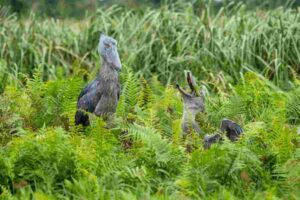
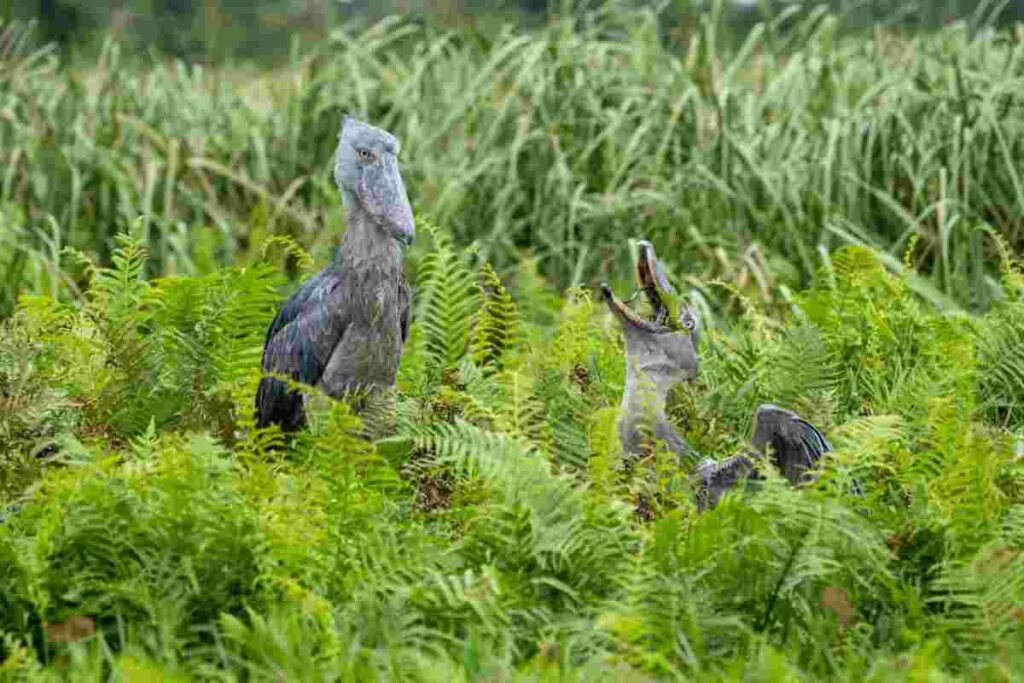
Nestled within the vast Lake Victoria basin, just a short drive from the vibrant cities of Entebbe and Kampala, lies one of Uganda’s most extraordinary natural destinations—the Mabamba Bay Wetland System. This expansive papyrus wetland is a Ramsar Site of international importance and is renowned as one of Africa’s best places for birdwatching.
For many visitors, however, Mabamba has one unforgettable attraction: the Shoebill Stork. With its enormous shoe-shaped bill, prehistoric appearance, and remarkable hunting behavior, the Shoebill is one of Africa’s most fascinating birds and a prized sighting for birdwatchers and wildlife enthusiasts.
Whether you are an experienced birder hoping to add the Shoebill to your life list or a first-time visitor eager to encounter one of the world’s most unusual birds, Mabamba Swamp offers an exceptional wildlife experience. This guide explores everything you need to know about Shoebill tracking in Mabamba, the best time to visit, how to get there, and what to expect during your tour.
Shoebill Stork: The Prehistoric Wonder of Mabamba Wetland
The Shoebill is one of Africa’s most mysterious and captivating birds. With its enormous shoe-shaped bill, piercing eyes, towering stature, and prehistoric appearance, it is often described as a bird that seems to have stepped straight out of the dinosaur age.
Unlike many other wetland birds, the Shoebill is remarkably patient and quiet. It can remain almost motionless for long periods while scanning the water for its next meal. When the perfect opportunity appears, it strikes with incredible speed, using its powerful bill to capture fish, lungfish, frogs, and other aquatic prey.
Its rarity and elusive nature make every Shoebill encounter special. At Mabamba Bay Wetland, visitors navigate narrow channels through dense papyrus vegetation in search of this extraordinary bird. Sometimes the Shoebill is hidden deep within the swamp; at other times, it may stand openly on a floating patch of vegetation, providing unforgettable opportunities for photography.
For birdwatchers and wildlife lovers, tracking a Shoebill at Mabamba is more than a birding experience—it is an encounter with one of nature’s most remarkable living mysteries.
How to Get to Mabamba Swamp: From Kampala or Entebb
The journey to Mabamba Swamp is an unforgettable part of the adventure, offering a beautiful introduction to the wildlife experience that awaits. Although the wetland can be accessed by road through Kasenyi, the most scenic and enjoyable option is a boat trip across Lake Victoria.
Your adventure begins at Nakiwogo Landing Site in Entebbe, where you board a motorboat for approximately 45 minutes to one hour across the waters of Lake Victoria. As the boat moves away from the shoreline, the busy surroundings of Entebbe gradually disappear, replaced by expansive views of the lake and open skies.
Along the way, you may encounter local fishermen navigating traditional wooden canoes, observe birds flying across the water, and catch distant views of the Ssese Islands on the horizon. The gentle breeze and fresh spray from Lake Victoria add to the excitement as you make your way toward the Mabamba wetlands.
As you approach the swamp, the landscape transforms dramatically. The open blue waters of Lake Victoria gradually give way to a vast maze of papyrus reeds, tall sedges, floating vegetation, and water lilies. Narrow waterways wind through the dense vegetation, creating a natural labyrinth where the elusive Shoebill Stork hides.
This is where the real Shoebill tracking adventure begins.
Mabamba Wetland: A Birdwatcher’s Paradise Beyond the Shoebill
Although the Shoebill Stork is the main attraction, Mabamba Swamp offers far more than a chance to see this prehistoric-looking bird. With more than 260 recorded bird species, the wetland is an exceptional birdwatching destination and a rewarding experience for both serious birders and nature enthusiasts.
As you explore the winding channels and dense papyrus vegetation in search of the Shoebill, you will encounter an impressive variety of colorful and fascinating wetland birds. The African Fish Eagle is often seen soaring above the swamp or perched prominently on a dead branch, while its distinctive call carries across the water.
Keep an eye along the narrow channels for the Malachite Kingfisher, a small but spectacular bird displaying brilliant blue and orange plumage. Deep within the papyrus, you may also hear or spot the elusive Papyrus Gonolek, recognized by its striking black head and bright yellow underparts.ther notable species you may encounter include the Blue-breasted Bee-eater, Purple Swamphen, African Jacana, famously known as the “Jesus Bird” because of its ability to walk across floating vegetation, and the Hamerkop. With a little luck, your excursion could also reveal larger species such as the Saddle-billed Stork and the impressive Goliath Heron.
Beyond the birds, Mabamba’s rich wetland ecosystem supports a fascinating variety of butterflies and other wildlife. Among them is the beautiful Swamp Monarch, adding even more color and diversity to the experience.
For bird lovers, a Mabamba Swamp Shoebill tour is therefore much more than a search for one iconic species—it is an opportunity to explore one of Uganda’s most remarkable wetland ecosystems and discover an extraordinary variety of wildlife along the way.
The Best Time to Visit Mabamba Swamp
Choosing the right time to visit Mabamba Swamp can greatly improve your chances of spotting the elusive Shoebill Stork while also making your wetland adventure more enjoyable. Uganda lies along the equator, giving the country a warm tropical climate throughout the year. However, seasonal changes in rainfall can influence the swamp’s water levels, vegetation, accessibility, and bird activity.
Understanding the dry and wet seasons in Uganda can therefore help you plan your Shoebill tracking experience at Mabamba more effectively. While the Shoebill can be encountered throughout the year, certain periods may offer more favorable conditions for navigating the waterways and observing birds in their natural habitat.
The Dry Seasons in Mabamba: June to August & December to February
During the dry seasons (June–August and December–February), water levels in Mabamba Swamp fall, concentrating fish in smaller channels and pools. This often makes Shoebill tracking easier, as the birds gather in key feeding areas. The weather is generally sunny and pleasant, offering excellent conditions for birdwatching, photography, and exploring the papyrus wetlands.
The Wet Seasons in Mabamba Swamp: March to May & September to November
The wet seasons (March–May and September–November) transform Mabamba Swamp into a lush, vibrant wetland. Higher water levels can make Shoebill tracking more challenging, as the birds have a larger area to move and feed.
However, these months are excellent for birdwatching tours in Mabamba, with migratory birds arriving between September and November and during parts of March and April. If you want to combine Shoebill tracking with diverse birdwatching and photography, a wet-season visit can be highly rewarding.
Conclusion
Mabamba Swamp is more than a birdwatching destination—it is a peaceful wilderness where you can experience the beauty of Uganda’s wetlands. A Shoebill tracking tour offers the rare opportunity to encounter one of Africa’s most fascinating birds in its natural habitat.
Visit during the dry season for favorable Shoebill sightings or the wet season for excellent migratory birdwatching. Glide through the papyrus channels, enjoy the tranquil scenery, and experience the unforgettable moment when a Shoebill appears.
Book your Mabamba Shoebill Tour today and discover one of Uganda’s most remarkable wildlife experiences.
📞 +256 772 666331
📧 info@mambogorillasafarisuganda.com
📍 Kampala, Uganda
🌐 www.mambogorillasafarisuganda.com